What should I eat if I have prediabetes?
How can your diet help prevent prediabetes from progressing? Read our guide for foods to eat and avoid, plus the role of reducing carbs in your diet.

James McIntosh,
Editor

Brent Creighton,
Medical Affairs


Sarah Koenck, MS, RD,
Medical Affairs
Published:
December 04, 2025
Read Time:
10 minutes
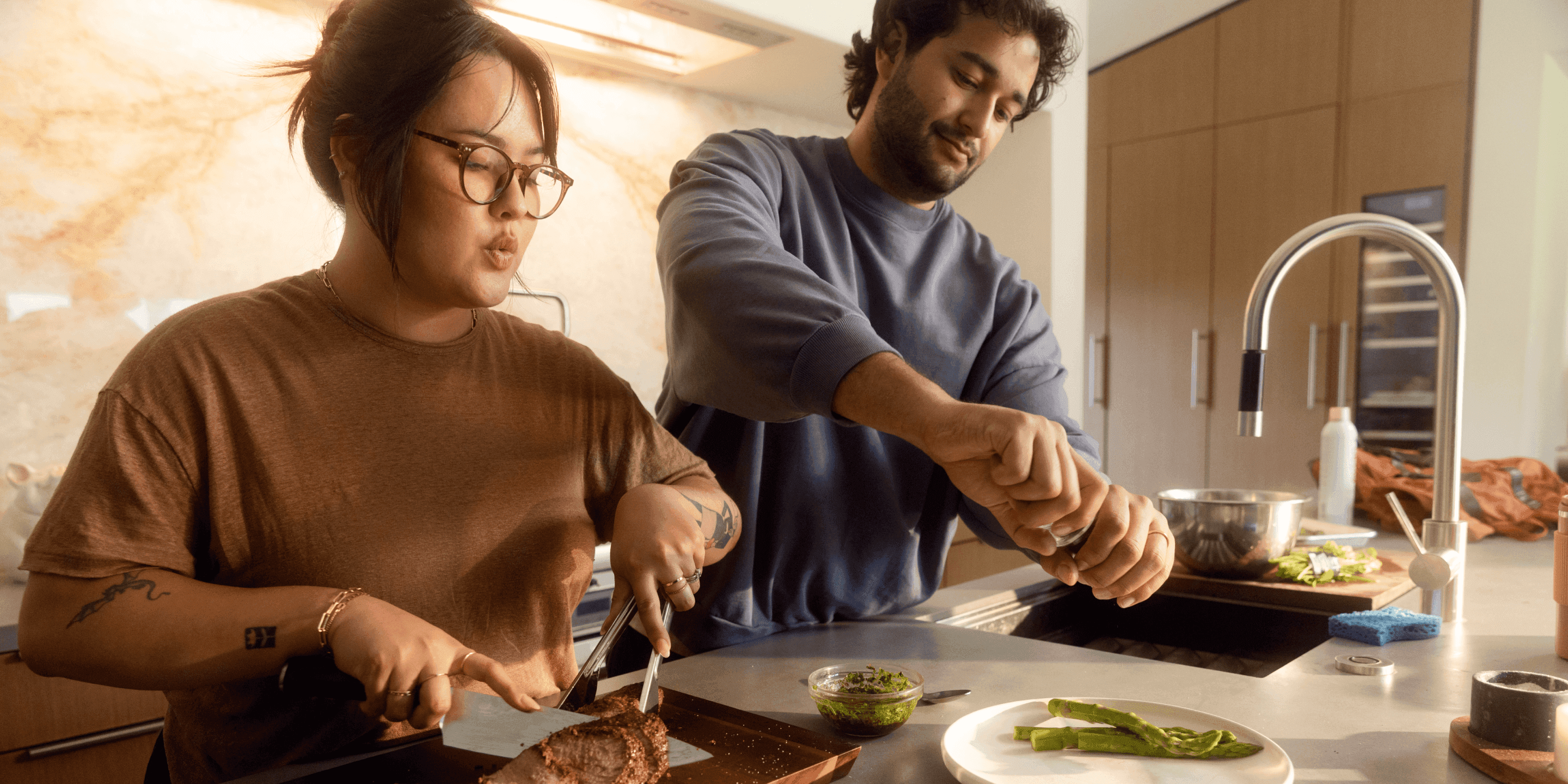
Prediabetes is a metabolic condition marked by elevated glucose levels that's linked to a higher risk of developing type 2 diabetes.1 It’s an early warning sign, and by taking action, it’s possible to get blood sugar levels back down into a healthy range.
The foods that you eat and your overall dietary pattern can play a huge role in helping prevent prediabetes from progressing to type 2 diabetes and can even help return blood sugars back to a normal range.
In this article, we’ll explore how making changes to what you eat can have an impact on prediabetes. We’ll also recommend foods to focus on for supporting prediabetes—as well as what to cut back on—and share some glucose-friendly recipes to try out.
Let’s break it down:
Weight loss and eating a glucose-friendly diet are both key parts to reverse prediabetes (alongside exercise).2
Focusing on eating meals rich in protein, fibre, and healthy fats, while reducing the amount of simple carbs and added sugars, can help steady your glucose levels and reduce insulin spikes.
While you won't necessarily need to eliminate any specific foods, it’s important to keep an eye on how many of the foods you eat have a high glycaemic index—and when you do eat them, enjoy alongside sources of protein and/or fibre.
Start Lingo today for just £59
Learn how your body responds to food and exercise with a 2-week plan*, no commitment.
Buy now
How can your diet help with prediabetes?
Our food choices can help prediabetes by supporting steadier glucose levels within the healthy range.
Research suggests that the type and amount of carbohydrates we eat can strongly influence how our bodies respond to insulin.3,4 Over time, diets high in refined carbs are associated with a greater risk of developing prediabetes and type 2 diabetes.5
What is insulin resistance?
Insulin resistance occurs when your body doesn’t respond to insulin in the way it usually would. This means your pancreas needs to produce more insulin to keep your glucose levels within a healthy range.
Over time, if your pancreas continues overproducing insulin, the cells that produce insulin can gradually lose their ability to work properly, which can lead to higher glucose levels both before and after eating.6
The importance of glucose
Dietary patterns that are high in simple or refined carbohydrates can spike glucose quickly, placing a greater demand on the pancreas to produce enough insulin to manage the resulting increase. In some cases, over time, this increased demand to keep glucose in check can lead to insulin resistance and eventually prediabetes.
The less time your glucose spends above the healthy range, the lower your risk of developing type 2 diabetes.7
And dietary changes are one of the key strategies to help keep your glucose within a healthy range.
While there is no single “best dietary pattern” for prediabetes, many different approaches can work, so long as they do the following:3,8
Promote healthier food choices: Focus on nutrient-dense foods while limiting added sugars and refined carbs.
Aid sustainable weight loss: Even modest weight loss (5-7% of body weight) can improve insulin sensitivity and lower glucose.
Are individually tailored: Diets should fit personal preferences, cultural traditions, and health needs.
Are realistic to keep up: People are more likely to maintain dietary patterns that are practical and enjoyable.
Now let’s look at some specific strategies that can help.
Focusing your meals on protein, fibre, and healthy fat
These three macronutrients can each help support steady glucose levels in different ways:
Protein: eating enough protein not only reduces glucose spikes,9 but also helps you feel full and supports muscle mass,10,11 which is important for insulin sensitivity and your body’s ability to utilise glucose.12
Fibre can make a meal more filling and help stabilise your glucose after eating.13,14
Fat: when a diet is lower in carbohydrates, fat can be a great energy source, doesn’t spike glucose, and helps keep us full.
Focus your meals on protein, non-starchy vegetables (fibre), and healthy fat. Some good examples to incorporate for a glucose-stabilising meal include:
Protein: steak, chicken, eggs, or tofu
Non-starchy vegetables: leafy greens, cauliflower, or broccoli
Fats: olive oil or avocado
Reducing the carbohydrates in your diet
Because carbohydrates cause glucose to rise, they are often the main focus of strategies to reverse prediabetes and bring glucose levels back into the normal range.
That said, how each person metabolises carbohydrates can vary, influenced by factors such as genetics, the microbes in your gut, and the overall makeup of a meal.15
If you have signs of insulin resistance, or a prediabetes diagnosis, cutting out simple carbs is a great first step. Think: biscuits, crisps, sweets, and sugar-sweetened beverages like fizzy drinks, which can all spike your glucose (and insulin) quickly.
Keep in mind, other carbohydrates like bread, pasta, and rice can also spike your glucose, especially if they’re refined (e.g. enriched flours and white rice) or eaten on their own.
Experimenting with how carbs impact your glucose
Since everyone processes carbs differently, it’s a good idea to experiment with different types of carbs and the amounts that work best for you. While some people do well including moderate portions of high-quality, higher-carb sources like starchy vegetables or whole grains, others may notice they do better when sticking to lower-carb options like non-starchy vegetables and berry fruits, focusing more on protein and healthy fats in meals.
If you choose to eat carbs, we recommend playing around with the serving sizes and sources to find the options that won't lead to large glucose spikes (aiming to avoid going over 7.8 mmol/L) most of the time. We also suggest eating carbs after the protein and fibre on your plate (more on this later).
How to better understand the impact of carbs
Continuous glucose monitors (CGMs) are one tool that can help you learn how different types and amounts of carbs impact your glucose as well as identify the foods that are most likely to send your glucose out of the healthy range. CGMs can also help you adopt habits to help minimise these spikes.16
Lingo is a CGM designed to help you learn your unique glucose patterns and the foods that work best for your individual needs, thereby supporting you with your nutrition and health goals.
Foods to limit with prediabetes
The following refined and processed carbs—including foods high in added sugars—are examples that can easily spike your glucose if eaten on their own or in large amounts. They contain simple carbs and tend to be overeaten, making it more difficult to maintain stable glucose:
Biscuits
Crisps
Pastries
Sugar-sweetened beverages (such as fizzy drinks)
Fruit juice
White bread
White rice
White pasta
Sugary breakfast cereals
Sweets
Ice cream
Pre-packaged desserts
Condiments that contain sugar
It’s worth noting that there’s room for all foods within a healthy diet, even if you have prediabetes. The important thing is moderating the amount of high-glycaemic foods like the above that can have a big impact on your glucose levels.
Unprocessed, complex carbohydrates that might be better options:
Non-starchy vegetables
Beans, lentils, chickpeas
Whole grains (intact or minimally processed)
Whole fruit (not dried fruit or fruit juice)
Nuts and seeds
These sources of carbs may not lead to as large of a glucose spike as those that tend to occur after eating refined, processed carbs. It's worth testing to see how these unprocessed carbs affect your glucose and whether the amount, timing, or food combinations make a difference.
How food combining impacts glucose
If you’re going to eat something that could spike your glucose, simple changes to how your meals are composed and eaten can make a noticeable difference. Eating carbohydrates alongside a source of protein, fibre, and/or healthy fat—or consuming these foods first—can help blunt post-meal glucose spikes.
Research shows that eating protein and vegetables before carbohydrates can significantly reduce post-meal glucose and insulin responses,17,18 and that pairing carbohydrates with protein or fat (consuming them together) may have similar benefits.19
Use physical activity to help regulate glucose
Physical activity can also help mitigate the effects of higher carb meals. For example, a short walk after eating can soften a post-meal spike because when your muscles are moving, they start using some of the glucose from your meal for energy without the need for insulin. Studies show that moving soon after eating works better than waiting— even 10-20 minutes can make a difference.20,21
Plus, regular exercise builds up your muscles’ ability to use glucose more efficiently over time. Studies in people with prediabetes show that both aerobic activity (like walking or cycling) and resistance training (bodyweight or weightlifting) help improve insulin sensitivity and glucose control.22,8
Additionally, aiming for at least 150 minutes per week of moderate-intensity physical activity (like brisk walking) is important.8
Make simple swaps
You don’t need to forgo your favourite high-carb meals. There are often ways to adapt recipes or swap ingredients to make them more glucose-friendly, such as lettuce wraps instead of tortillas or cauliflower rice mixed with white or brown rice. With a little research and creativity, the options are endless!
Learn more about so-called "healthy" foods that can cause a spike, plus glucose-friendly swaps.
Glucose-friendly recipes
Here are some recipe ideas for different meals that could support steady glucose levels:
Breakfast
Lunch
Dinner
Note: Each of these meals includes sources of protein, fibre, and/or healthy fats. They could be a good starting point to plan your meals and help you figure out the types and number of carbs that work best for your body.
A final note from Lingo
Following a diet that prioritises protein, fibre, and healthy fats while limiting simple carbs is an important lifestyle change for reducing the risk of prediabetes progressing.
Lingo is a CGM that’s designed to show you the impact of what you eat, providing you with glucose data you can use to find foods that work for you.
As well as thinking about what you eat, it’s also important to consider what you can do to manage your weight. Getting plenty of physical exercise is a key piece of the puzzle, too.8
Combining modest weight loss, physical activity, and a glucose-friendly diet can help reverse glucose levels back to the normal range.8 Adopting better habits today can lead to healthier outcomes down the road.
The Lingo Glucose System is intended for users 18 years and older not on insulin. It is NOT intended for diagnosis of diseases, including diabetes.
The Lingo program does not guarantee that everyone will achieve the same results as individual responses may vary. Consult your healthcare professional before making changes to your diet or exercise regimen or if you have an eating disorder or a history of eating disorders.
© 2026 Abbott. All rights reserved. The biosensor shape and appearance, Lingo, and related brand marks are marks and/or designs of the Abbott group of companies in various territories. Other marks are the property of their respective owners.
ALB-03878
Published:
December 04, 2025
Read Time:
10 minutes

James McIntosh is an editor at Lingo. He has been a health and science writer and editor for over 10 years, contributing to some of the most visited health websites worldwide, including Medical News Today. Prior to this, he graduated with a master’s degree in creative and critical writing from the University of Sussex in the U.K.

Brent Creighton, PhD, is a Senior Medical Affairs Specialist at Lingo. He earned his PhD in Exercise Physiology and Metabolism from the University of Connecticut. Over the past decade, he has worked in metabolic science and digital health, focusing on translating scientific insights into practical health strategies. Brent is driven by a passion for teaching and distilling science into everyday health practices, with a particular interest in low-carbohydrate metabolism, nutritional ketosis, and the exercise-glucose relationship.


Sarah Koenck, MS, RD, is a Medical Affairs Specialist at Lingo. She’s been a registered dietitian since 2011 and has a master's degree in kinesiology from A.T. Still University. She spent the first part of her career as a clinical dietitian in the ICU before moving onto specializing in diabetes and weight management in the digital health space. Her personal health journey, including living with type 1 diabetes for almost 30 years and wearing a continuous glucose monitor for almost 20, has driven her commitment to help others at Lingo.
A healthy choice for your inbox
Sign up to get science-backed health tips and special offers.
Start Lingo today
for just £59
Learn how your body responds to food and
exercise with a 2-week plan*, no commitment.
- 1 Lingo biosensor with minute-by-minute glucose monitoring.
- Full access to the Lingo app.
- Works with iOS and Android™.
Shop now
Free shipping
*No commitment. This plan does not auto-renew.