4 nourishing snack ideas to keep your glucose steady
If you need a snack, foods that are low in refined carbohydrates and added sugars could be good choices to help keep your glucose steady.

Emily Shiffer,
Contributing Writer

Andrea Givens, MS, RD, CSSD,
Medical Affairs
Published:
January 24, 2025
Updated:
December 03, 2025
Read time:
7 minutes
When trying to keep your glucose in check, snacks can make things tricky. Many snacks on the market are highly processed, made with refined sugars, and lack the good-for-you nutrients found in whole foods. Not only are these options not as nutritious, but they can often cause your glucose to spike.
In fact, between 2018 and 2019, around 53% of calories consumed in the United Kingdom came from ultra-processed foods (UPFs).1 And many of these UPFs happen to be snacks and sweets.2
Instead of relying on packaged snacks loaded with sugar and other additives, you can make snacking a part of your balanced, glucose-friendly diet. Snacking often gets a bad rap, but when you make healthy choices, it can help bridge energy gaps between meals and get more nutrients in.
In this article, we take a look at several nourishing and tasty snacks you can try, along with what makes a snack good for keeping your glucose steady. After all, limiting glucose spikes can provide several benefits to your health and wellbeing, including improved energy and hunger.3
Let’s break it down:
Nourishing snacks that are good for keeping glucose levels steady are typically high in protein, fibre, or healthy fats, and low in refined carbohydrates.
There’s room for all foods within a healthy diet, but if you’re eating snacks that are high in added sugars or refined carbs, be mindful of your portion sizes.
Adding exercise to your daily routine can also support steady glucose levels alongside what you eat.
Start Lingo today for just £59
Learn how your body responds to food and exercise with a 2-week plan*, no commitment.
Buy now
Nourishing snacks for stable glucose levels
If you’re looking for some snack ideas that could help keep your glucose levels balanced throughout the day, here are some healthy options:
Banana-coconut bites
These bites are perfect for when you need something more grab-and-go. All you need are the following ingredients:
1 banana
2 Tbsp unsweetened shredded coconut
1 Tbsp almond butter
1 tsp cinnamon
½ scoop of protein powder
Mash the banana in a bowl until creamy, then mix in the other ingredients.
Drop mixture by spoonful onto a baking sheet lined with baking paper and flatten slightly. Bake at 180°C for 20 minutes and enjoy.
Vegetables and houmous
Vegetables like carrots, celery, cucumbers, and bell peppers are great for snacking. They’re full of fibre and other nutrients while low in carbohydrates.
These vegetables pair nicely with houmous, which adds flavour and contains some protein and healthy fats to fill you up without weighing you down. Enjoy alongside jerky or sliced deli meat for ample protein.
Fruit, nuts, and seeds with yoghurt
Fruits like apples, oranges, pears, and berries are packed with vitamins and minerals. Pair them with Greek yoghurt and a handful of nuts — almonds, Brazil nuts, peanuts, or walnuts, for instance — and you have yourself a simple, nutritious snack.
Nuts deliver an added crunch while providing healthy fats and protein to keep you satisfied until your next meal.4 When choosing nuts, opt for those that are not coated in extra sugars (like honey) and salt.
Seeds are another great glucose-friendly snack. Sunflower seeds, pumpkin seeds, chia seeds, and flaxseeds are all good sources of fibre.
Nut butters can also be an excellent addition, since they’re a good source of healthy fats and contain some protein. Choose one without any added sugar in the ingredients list, though.
Boiled eggs and avocado
This savoury combination packs both protein (from the boiled eggs) and healthy fat (from the yolk and the avocado). It’s a winning option if you’re looking for a snack that is low in carbohydrates.
What makes a healthy, glucose-friendly snack?
When it comes to your glucose levels, healthy options will typically be low in refined carbs and added sugars and contain healthy fats, protein, or fibre, or a combination of these things.
These nutrients all slow your digestion and can leave you feeling fuller for longer.5 This means your glucose levels are likely to rise more slowly after eating and you’ll be less inclined to eat more afterwards.6
While you don’t have to completely cut back or avoid snacks like chips and sweets, it’s important to think about portion sizes if you do have them. You may be able to keep steady while eating small amounts of your favourite treats. Check the packaging and opt for foods with less than 5 grams of total sugars per 100 grams, or with a green colour for sugars on the traffic light label.
Pairing a carb-rich item with something high in protein, fat, or fibre may help to keep your glucose steady.
For extra insight on what foods might work for you, Lingo is a continuous glucose monitor (CGM) that could help you see what effects different snack choices might have on your glucose levels.
Get your body moving
Besides choosing nourishing snacks, you can help keep your glucose levels steady by adding exercise to your daily routine.
Movement is great for many reasons, but one big benefit is its ability to lower your glucose curve after eating a meal or snack containing carbohydrates.7 Set aside some exercise time each day. Even just 10 minutes of walking after lunch can have a positive impact on your glucose.8
It’s worth noting that high-intensity exercise may naturally cause a short-term glucose spike as your body needs extra fuel for its working muscles. This doesn’t come with a corresponding rise in insulin levels though, so these spikes are normal and nothing to be concerned about.9
The UK Chief Medical Officer report recommends that adults try to get at least 150 minutes of moderate-intensity activity (such as brisk walking), 75 minutes of vigorous activity (such as jogging), or a mixture of both each week.10
The guidelines also recommend muscle-strengthening activities twice a week.
If you find it difficult to fit workout sessions into your day, you could try out exercise snacks. These are short bouts of vigorous activity that usually last for a minute or less, such as doing some jumping jacks while you’re waiting for the kettle to boil.11
Learn more about exercise snacks.
A final note from Lingo
If you want snacks that will have minimal impact on your glucose levels, go for options that are lower in highly processed carbohydrates and higher in protein, fibre, and healthy fats.
While you don’t have to completely shun your favourite snacks, if you choose those that are higher in carbohydrates, portion control is important.
Using Lingo can help you understand the impact of the foods you eat on your glucose and build habits that work towards limiting glucose spikes.
The Lingo Glucose System is intended for users 18 years and older not on insulin. It is NOT intended for diagnosis of diseases, including diabetes.
The Lingo program does not guarantee that everyone will achieve the same results as individual responses may vary. Consult your healthcare professional before making changes to your diet or exercise regimen or if you have an eating disorder or a history of eating disorders.
© 2026 Abbott. All rights reserved. The biosensor shape and appearance, Lingo, and related brand marks are marks and/or designs of the Abbott group of companies in various territories. Other marks are the property of their respective owners.
ALB-02111 v2.0
Published:
January 24, 2025
Updated:
December 03, 2025
Read time:
7 minutes

Emily Shiffer is a contributing lifestyle and wellness writer at Lingo. She has worked as a writer for over 10 years, covering health, wellness, fitness, and more in publications such as Women’s Health and Runner’s World. Currently residing in Charleston, South Carolina, Emily enjoys instructing barre, surfing, and long walks on the beach with her miniature dachshund, Gertrude.

Andrea Givens, MS, RD, CSSD, is a Senior Medical Affairs Specialist and Health Coach at Lingo. Andrea has a passion for empowering individuals to leverage their unique physiology to optimize performance and health. She’s been a registered dietitian since 2010 and has been a board-certified specialist in sports dietetics since 2017. She holds master's degrees in both nutrition science and exercise physiology from San Diego State University.
More to explore on the blog
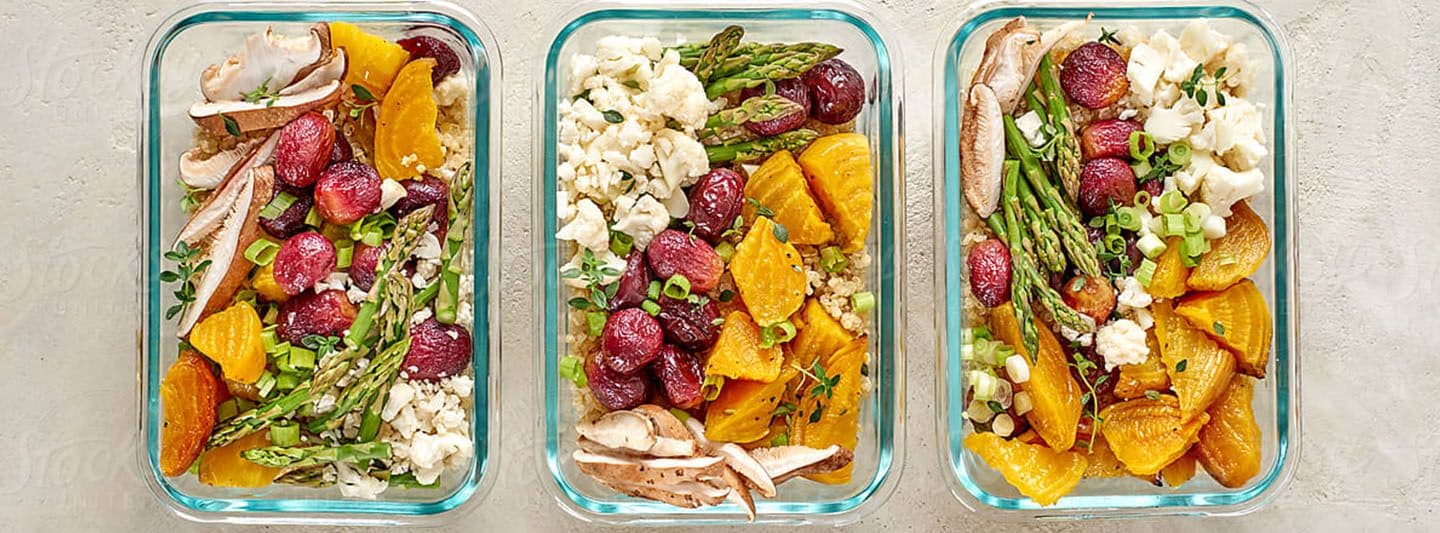
Meal planning tips: Preparing a nutritious, glucose-friendly diet
Meal planning is a way to save time and effort while making it easier to eat healthily. Learn more about how you can do it, including useful tips and tricks.
May 12, 2025|1 minute
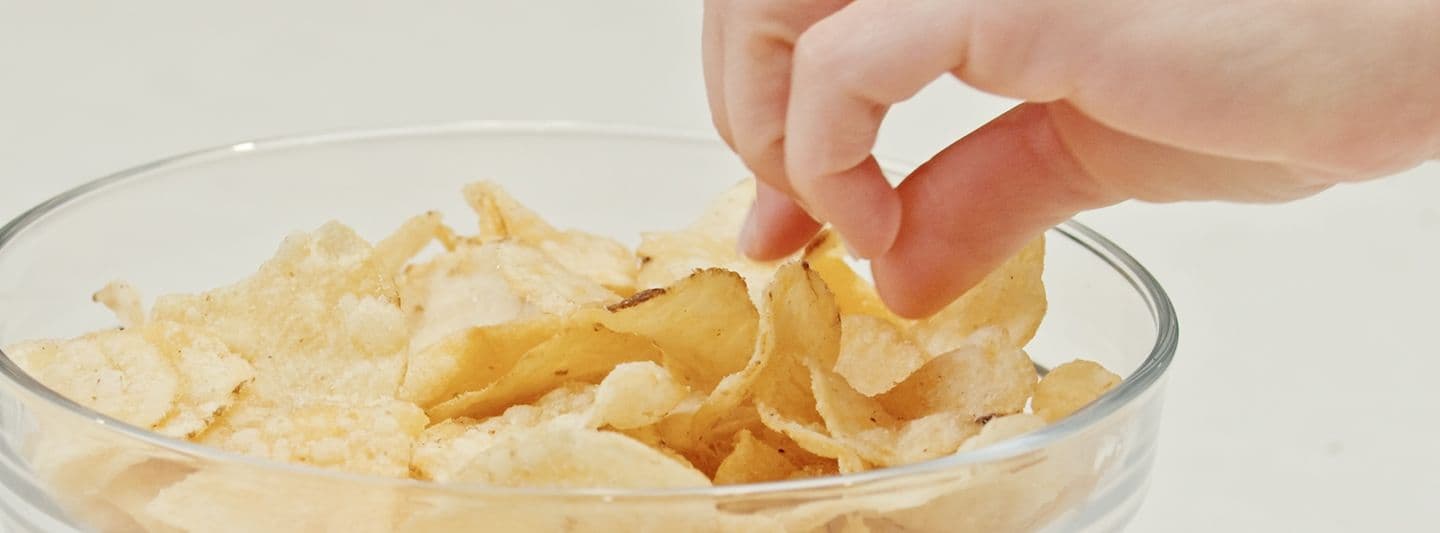
What are ultra-processed foods? Definition and common food examples
Learn the differences among processed foods in our modern diet, including what ultra-processed foods (UPF) are, examples, and how often you should be eating them.
February 03, 2025|9 minutes
A healthy choice for your inbox
Sign up to get science-backed health tips and special offers.
Start Lingo today
for just £59
Learn how your body responds to food and
exercise with a 2-week plan*, no commitment.
- 1 Lingo biosensor with minute-by-minute glucose monitoring.
- Full access to the Lingo app.
- Works with iOS and Android™.
Shop now
Free shipping
*No commitment. This plan does not auto-renew.