Different words for sugars: How to find those hidden added sugars
Sugar can appear in ingredient lists under a wide variety of names. Learn more about what to look out for and what the daily intake recommendations are.

Diana Kelly Levey,
Contributing Writer

Anna Frye,
Medical Affairs
Published:
March 19, 2025
Updated:
November 26, 2025
Read time:
6 minutes
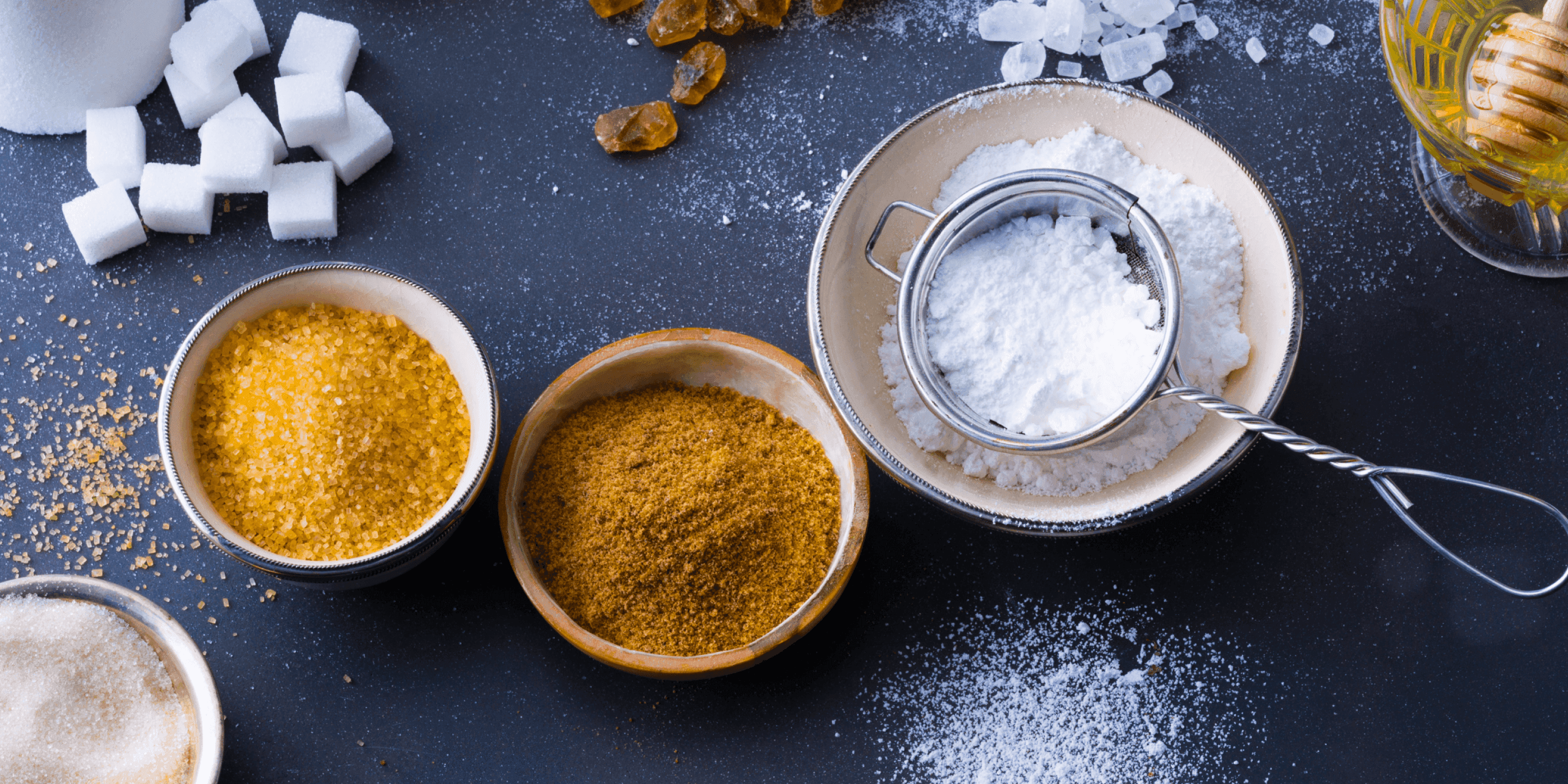
Staying on top of how much sugar you consume isn’t as simple as just looking for the word “sugar” on an ingredients list. You may not be aware that some of the food you consume has added sugar since it can go by dozens of different terms.
Recognising the different terminology for sugars can help you be mindful of your added sugar intake, which can help you avoid glucose spikes and crashes. Limiting this glucose rollercoaster can lead to an improvement in your mood, energy, hunger, and sleep.1
Below, we list the different words for sugars and explore whether all sugars are the same when it comes to how they impact your glucose levels.
Let’s break it down:
Sugar often appears in ingredient lists under different names, including words ending in “-ose” like glucose, dextrose, and fructose.
Despite there being many different names for sugar, not all sugars are metabolised the same way—as a result, they may impact your glucose in different ways.
The National Health Service recommends that no more than 5% of your calories each day should come from free sugars.2
Start Lingo today for just £59
Learn how your body responds to food and exercise with a 2-week plan*, no commitment.
Buy now
What are the different words for sugars?
Simply scanning a list of ingredients for the word “sugar” doesn’t cut it these days to detect added sugars. Manufacturers often use less obvious terms, and despite them all being a form of sugar, not all are metabolised the same way.
To monitor your added sugar intake, it’s helpful to get familiar with all the different names for sugar. For starters, look for ingredients that end in: “-ose.”
Examples include:
Glucose
Dextrose
Fructose
Galactose
Sucrose
Maltose
Note: While most “-ose” ingredients are sugars that can raise blood glucose, sucralose is an exception that is metabolised differently and generally does not cause a significant blood sugar response.3
Other terms for a form of sugar in an ingredients list:
Table sugar
Syrup
Brown rice syrup
Corn sugar
Carob syrup
Date syrup
Golden caster sugar
Grape sugar
Molasses
Beet sugar
Coconut sugar
Maple syrup
Golden syrup
Corn syrup
Honey
Agave
Cane juice
Sorghum syrup
Treacle
Barley malt
Jaggery
Potato starch
While added sugars may go by many different names in an ingredients list, they don’t all behave the same in the body.
Glucose, for example, is absorbed directly into your bloodstream while fructose is processed through the liver—a difference that matters. High intake of fructose via processed foods like soft drinks and sweets can contribute to an increased risk for long-term metabolic health implications.4
Alternatively, you can find naturally occurring sugars in foods like fruits, vegetables, and milk. Unlike the added sugars in processed foods, natural sugars come partnered with fibre and other beneficial nutrients such as antioxidants.
These nutrients help slow digestion and reduce glucose spikes, which is why whole foods like fruit are considered low-GI, even though they contain sugar.
Using Lingo, which is a continuous glucose monitor (CGM), can help you see the effect that different foods have on your glucose levels. This could make it easier to make choices to support your health goals and limit glucose spikes.
How much sugar is safe to eat?
The National Health Service recommends that no more than 5% of your calories per day should come from free sugars: added sugars as well as the natural sugars in honey, syrups, and fruit and vegetable juices.2
Adults should aim to have no more than 30 grams (g) of free sugars a day (around the same as seven sugar cubes).2
Some food packaging will include a traffic light colour system to show whether the food contains high, medium, or low amounts of sugar. Red means high, amber means medium, and green means low. Try to choose foods that have more green and amber values than red.
Here’s how you can tell if a food is high in sugar or not, according to the NHS:5
High: The food contains more than 22.5 g of total sugars per 100 g.
Low: The food contains 5 g of total sugars or less per 100 g.
Learn more about food labels and nutrition lists.
It is important to remember that these are general guidelines, and everyone has their own individual tolerance. You can use a CGM to better understand what works best for you based on your own caloric needs and personal nutrition.
Which foods are hiding sugar?
Biscuits, cakes, sweets, and other treats are obvious sources of added sugar, but you'll also find it in quite a few foods you might not expect. Some other foods and drinks that contain added sugars include:
Condiments, such as ketchup and BBQ sauce
Salad dressings
Jarred pasta sauces
Cereals
Coffee creamers
Sports drinks
Energy drinks
Ready meals
Flavoured yoghurts
Fizzy drinks
Alcoholic drinks
Many ultra-processed foods are high in added sugars (as well as salt and other additives) while being low in fibre and additional nutrients. As a result, they are digested much more quickly and can result in rapid glucose spikes and dips—especially when eaten in excess.
A final note from Lingo
It’s important to remember that just because foods contain different types of sugar doesn’t mean you need to avoid eating them completely.
You can still enjoy these foods occasionally, especially if you are mindful of portion sizes and keeping your overall daily sugar intake within the recommended guidelines.
For steady glucose and overall health, it’s best to minimise consumption of ultra-processed foods and drinks that are high in sugar. When possible, enjoy these foods after a balanced snack or meal that contains protein, fibre, and healthy fats to decrease the impact on your glucose levels.6,7
You can track how different sources of sugar affect your glucose levels using Lingo. With this personal insight, you’ll be able to focus on consuming the foods and drinks that work for you.
The Lingo Glucose System is intended for users 18 years and older not on insulin. It is NOT intended for diagnosis of diseases, including diabetes.
The Lingo program does not guarantee that everyone will achieve the same results as individual responses may vary. Consult your healthcare professional before making changes to your diet or exercise regimen or if you have an eating disorder or a history of eating disorders.
© 2026 Abbott. All rights reserved. The biosensor shape and appearance, Lingo, and related brand marks are marks and/or designs of the Abbott group of companies in various territories. Other marks are the property of their respective owners.
ALB-02435 v2.0
Published:
March 19, 2025
Updated:
November 26, 2025
Read time:
6 minutes

Diana Kelly Levey is a contributing lifestyle and wellness writer at Lingo. She has nearly two decades of experience writing for health and wellness brands. After graduating from Rutgers University in New Brunswick, New Jersey with degrees in journalism and anthropology, she has worked as a staff editor at Weight Watchers, Prevention, Natural Health, and Muscle & Fitness magazines.

Anna Frye is a Medical Affairs Specialist at Lingo. She has a background in clinical research at the University of Colorado Boulder and Huntsman Cancer Institute in Salt Lake City. She also has 6 years of hands-on experience in digital health—specifically in the metabolic health space. Anna is passionate about making science approachable. She’s especially curious about glucose, longevity, and the future of personalized health, and is driven by a mission to help people feel more in control of their health journey.
A healthy choice for your inbox
Sign up to get science-backed health tips and special offers.
Start Lingo today
for just £59
Learn how your body responds to food and
exercise with a 2-week plan*, no commitment.
- 1 Lingo biosensor with minute-by-minute glucose monitoring.
- Full access to the Lingo app.
- Works with iOS and Android™.
Shop now
Free shipping
*No commitment. This plan does not auto-renew.