


*Limited-time offer valid with purchase of the 4-week plan. Code is valid from 28 May 2026 to 30 April 2027 at 11:59 pm GMT on the Lingo website only. To redeem offer, new customers use code LIVEMORE10, existing customers get discount auto applied upon login and repurchase. One use per customer. Not to be used in conjunction with any other offer. UK only. Lingo is not for medical use. 18+ only. Individual responses may vary.
“Glucose is one of the most important signals in the body, shaping how we feel day to day...while also playing a vital role in long-term health.”
– Dr. Rangan Chatterjee, British physician, Author, TV presenter and Podcast host
Small changes, healthier glucose range
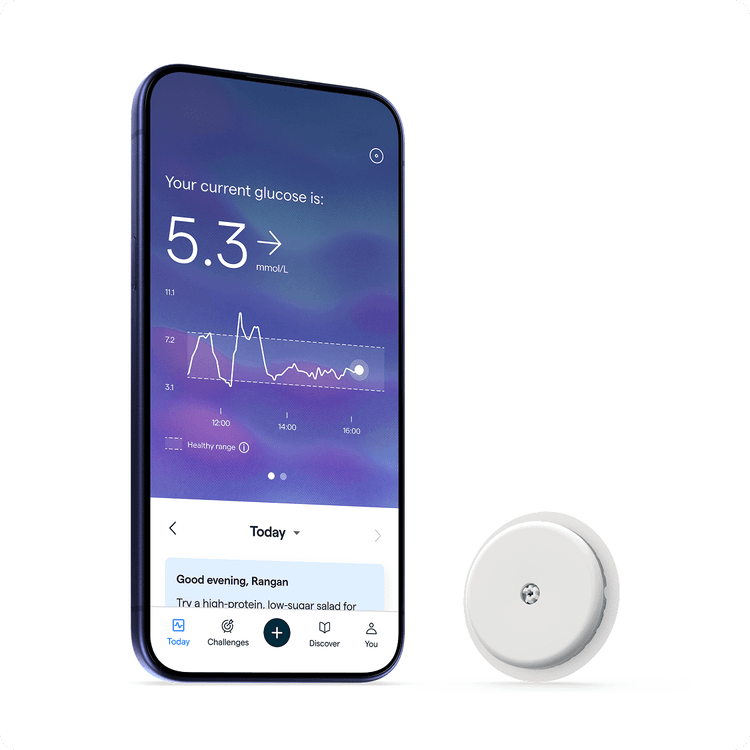
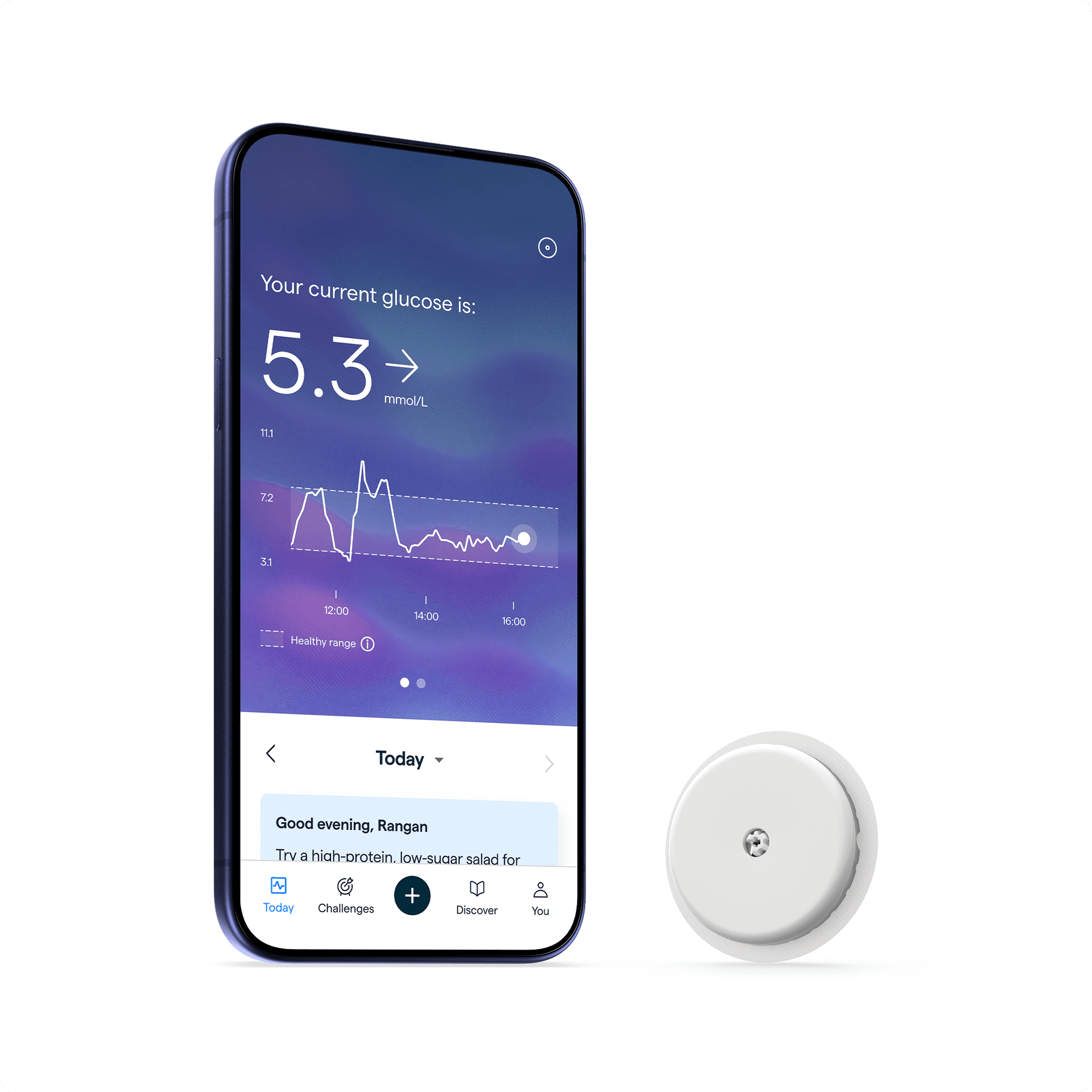
Dr Chatterjee believes making small changes today can have a big impact on tomorrow.
Your glucose is crucial fuel for your body which can impact how you feel day to day. It responds most to meals, movement, sleep, and stress. While glucose can shift in the moment, consistent elevation over time affects your metabolic health, and risk of type 2 diabetes and cardiovascular disease.1,2,3 Tracking your glucose gives you the feedback to change what matters, today.
Lingo makes the invisible visible in real time, 24/7. That’s why habit change, supported by CGM feedback, can help you spend more time in a healthy* glucose range.4 So, start small.
*A typical glucose range for healthy individuals is 3.9-7.8 mmol/L. Occasionally, one may find themselves over 7.8 mmol/L or under 3.9 mmol/L, which is expected.
How Lingo works
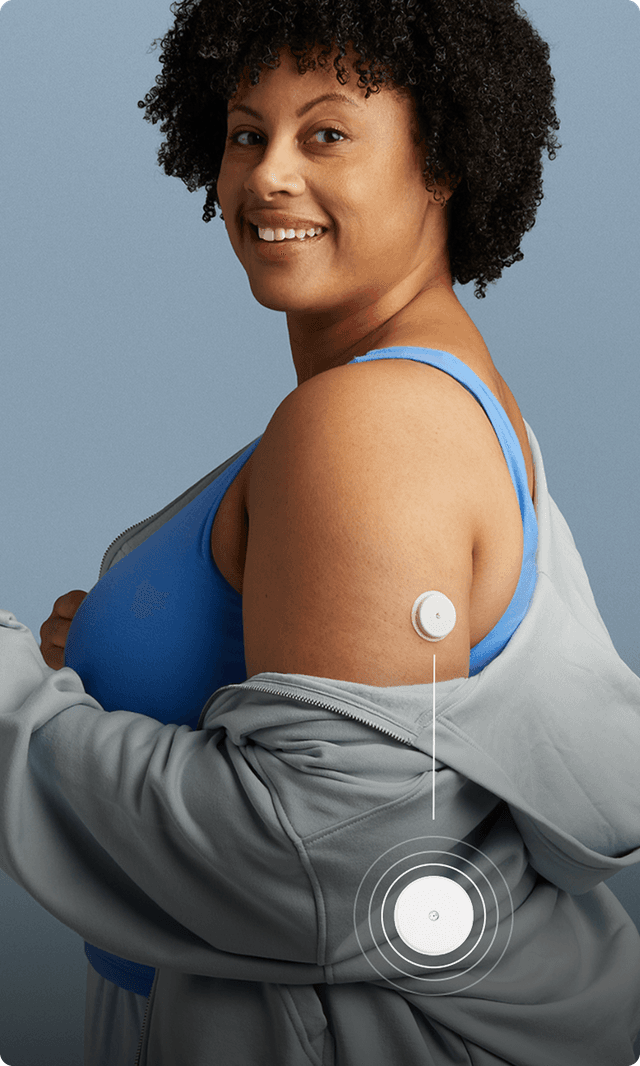
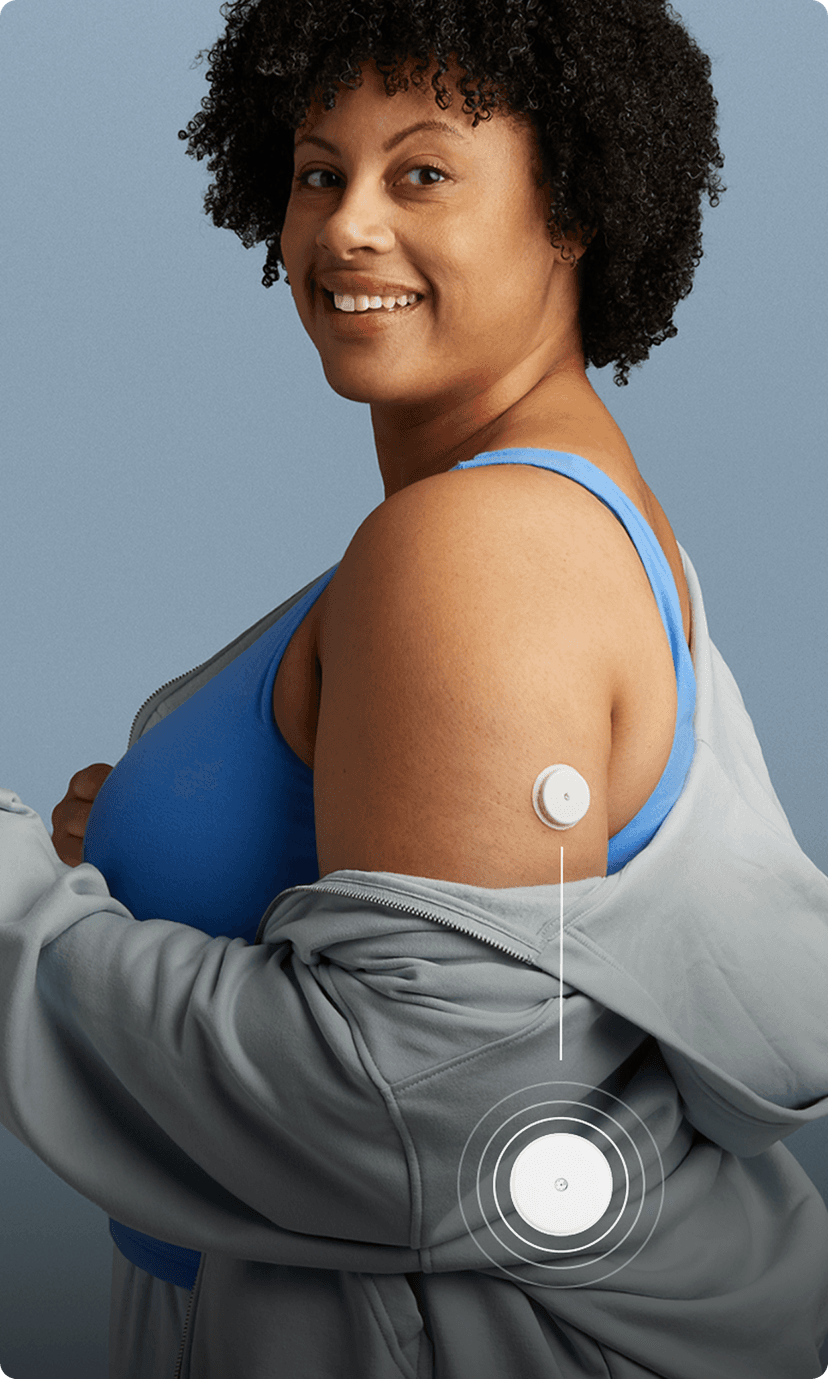
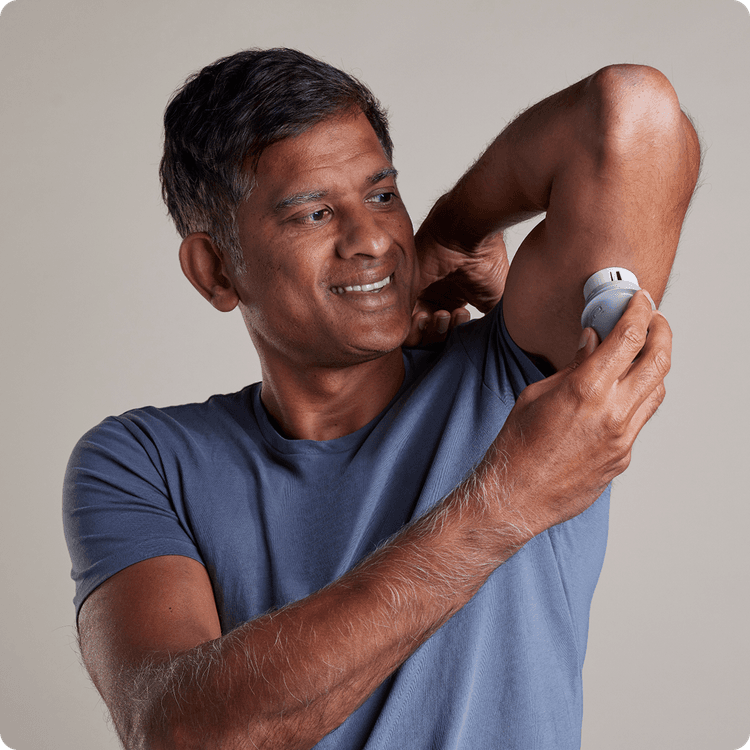
Apply your biosensor
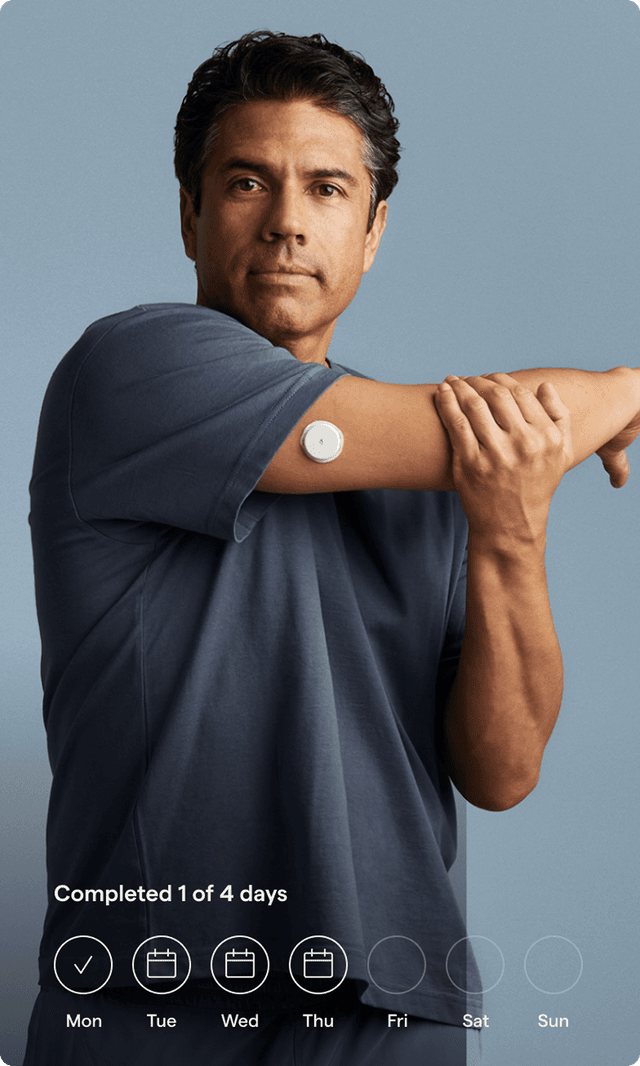
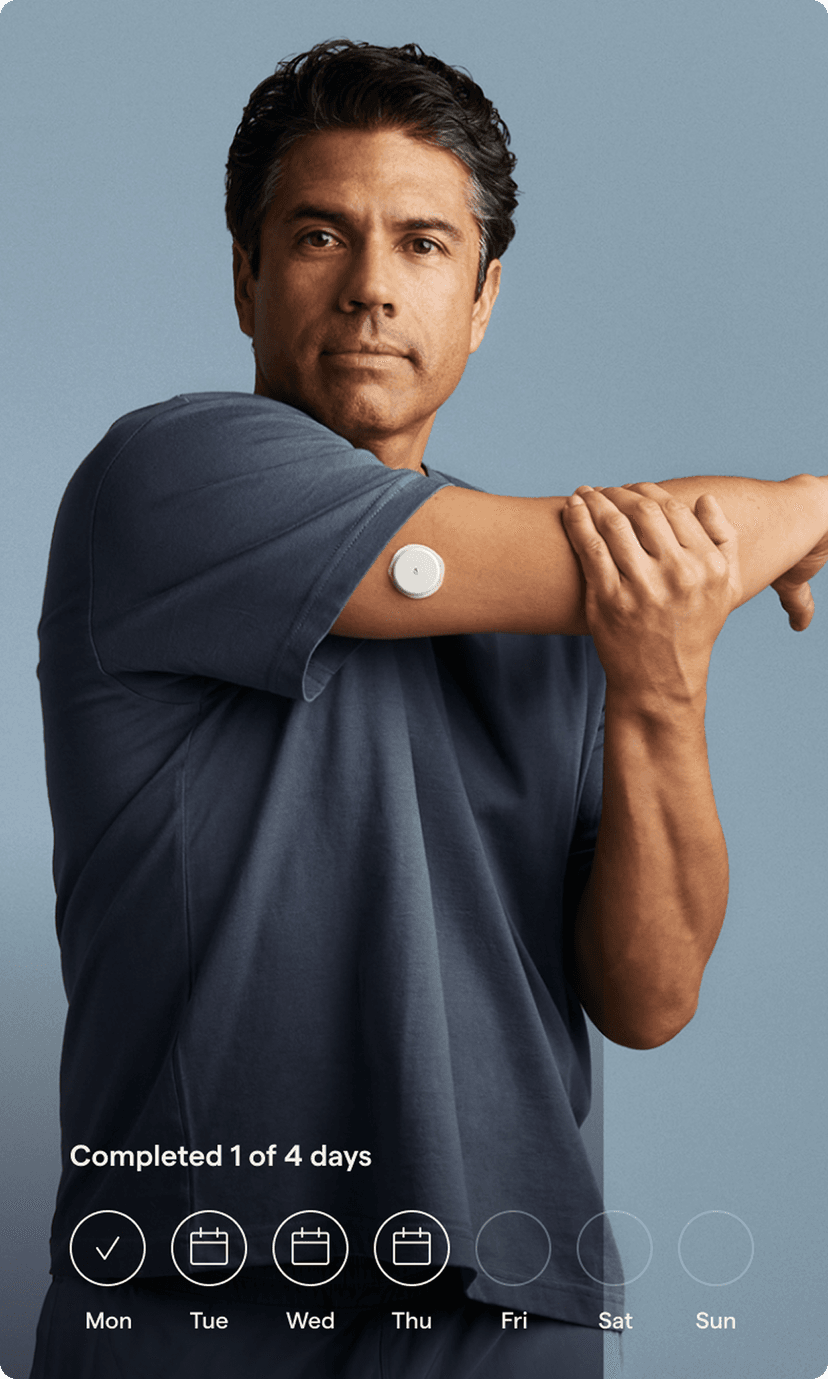
The Lingo biosensor is an over-the-counter (OTC), continuous glucose monitor (CGM). It attaches painlessly‡ to the back of your upper arm. You won’t even notice it’s there.
‡In a study conducted by Abbott, 91.6 % of users surveyed (n=119) agree that it was painless to apply the biosensor. Data on file, Abbott.
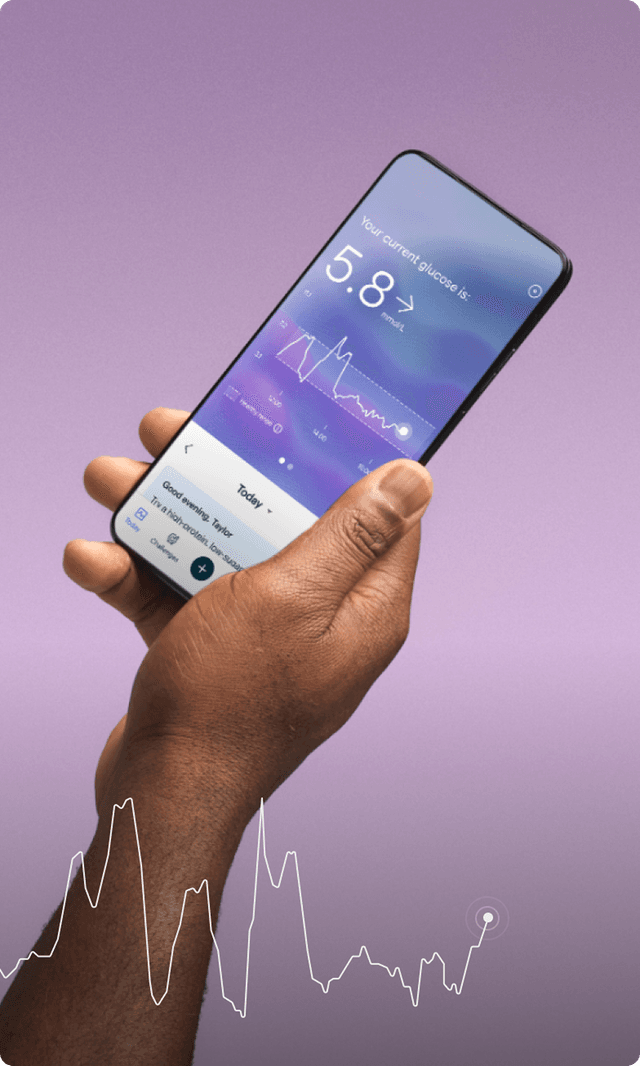
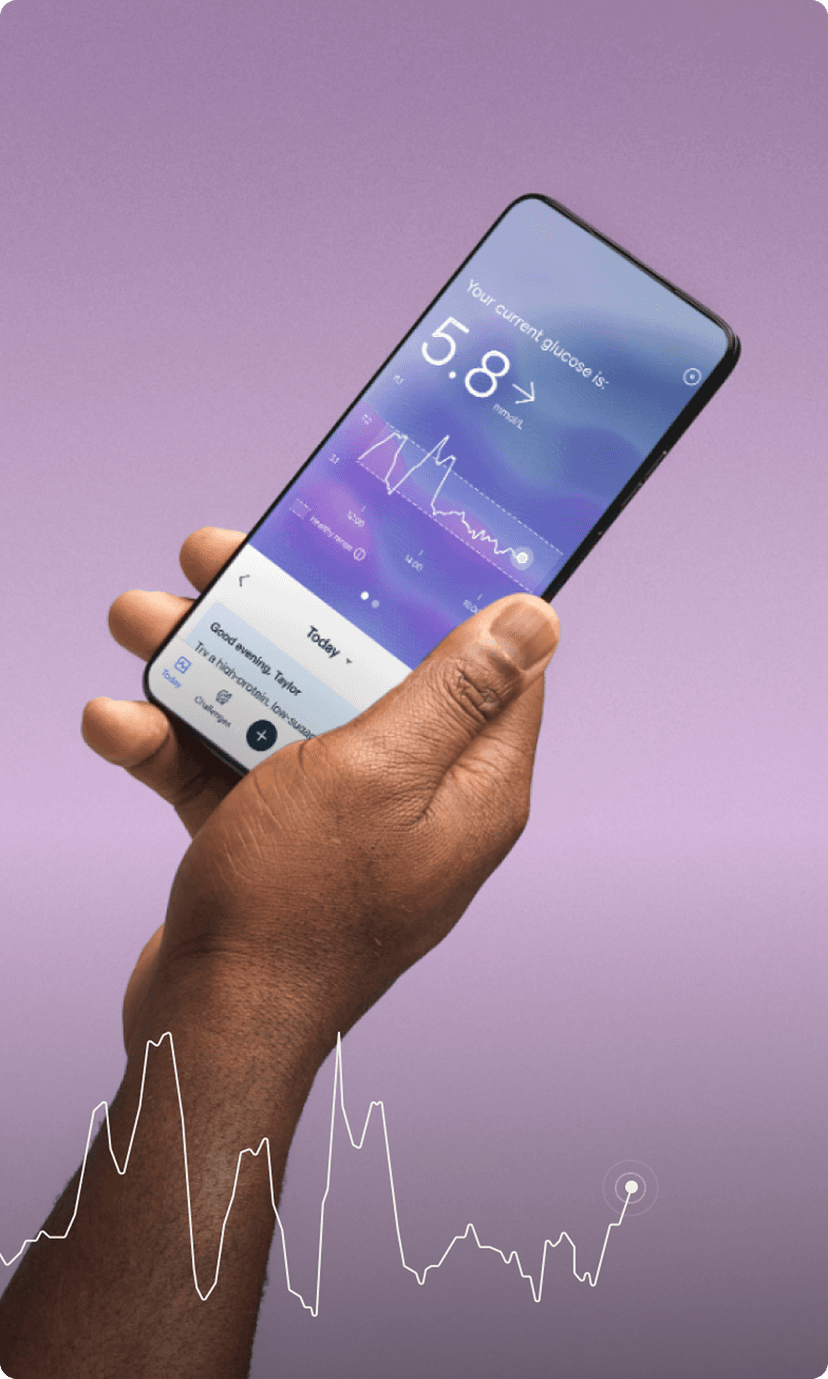
Get real-time glucose data
Your biosensor streams glucose data directly to your phone, so you can see the impact of your eating habits.
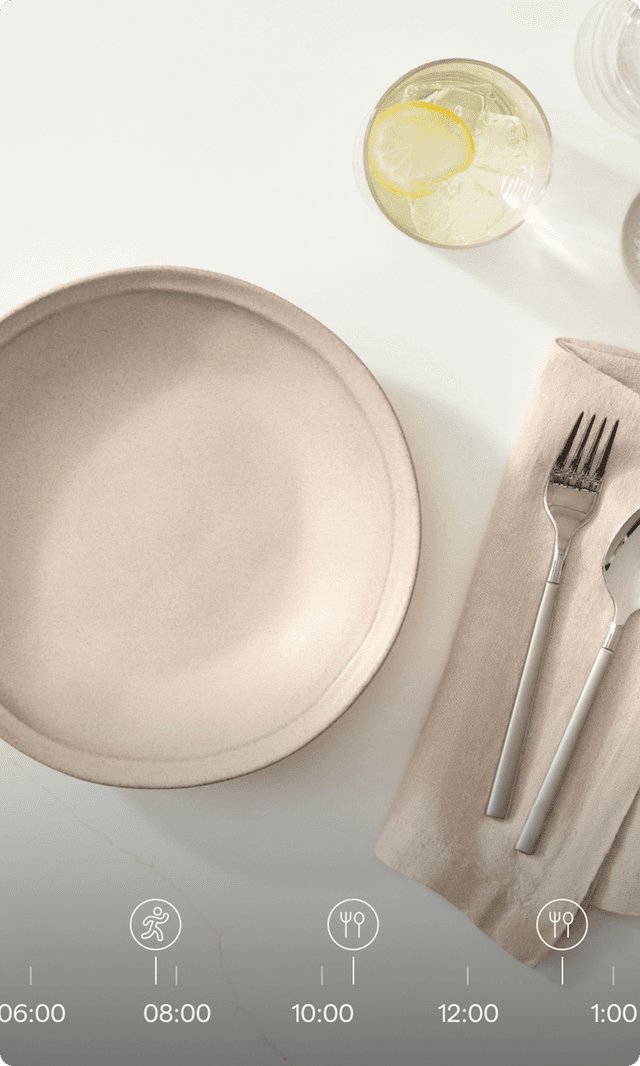
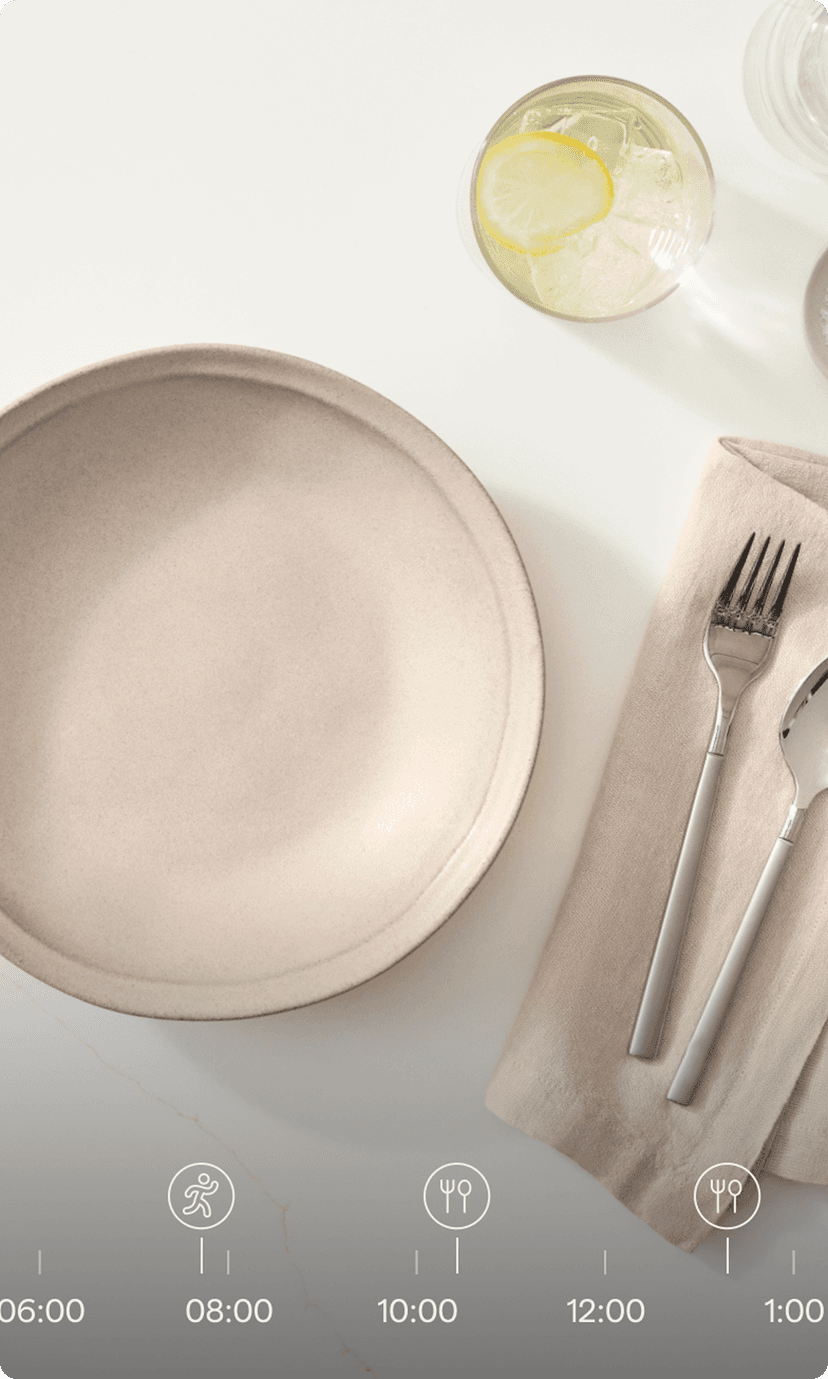
Learn new ways of eating
Discover which foods work for you and what to prioritise. Every body is different. Insights from Lingo help you get to know yours in a new way.
Turn insights into action
Armed with data and insights, you can build habits that support your goals. This is your body. Your data. Your health in your hands.
Connect with more health apps
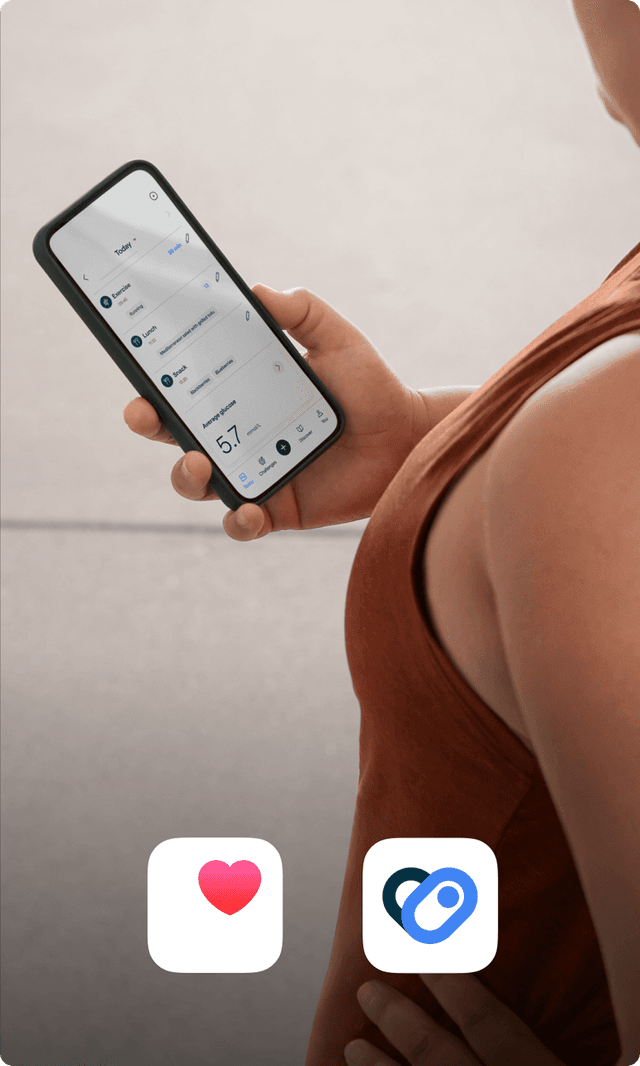
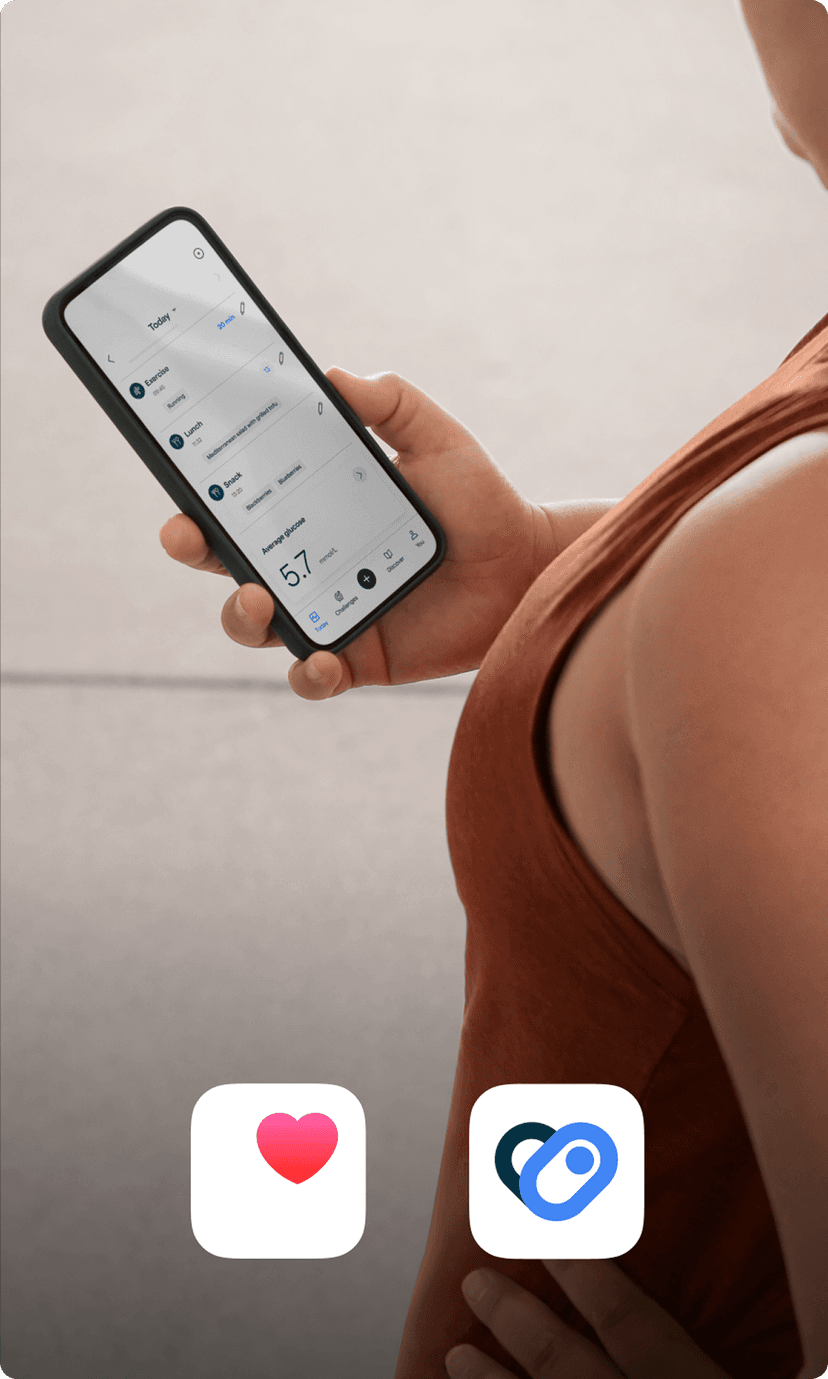
Auto-sync workouts and glucose data†† between Lingo and Apple Health or Health Connect™.
†† Lingo does not measure or send blood glucose data to any health apps. Lingo sends glucose data measured via interstitial fluid to health apps.
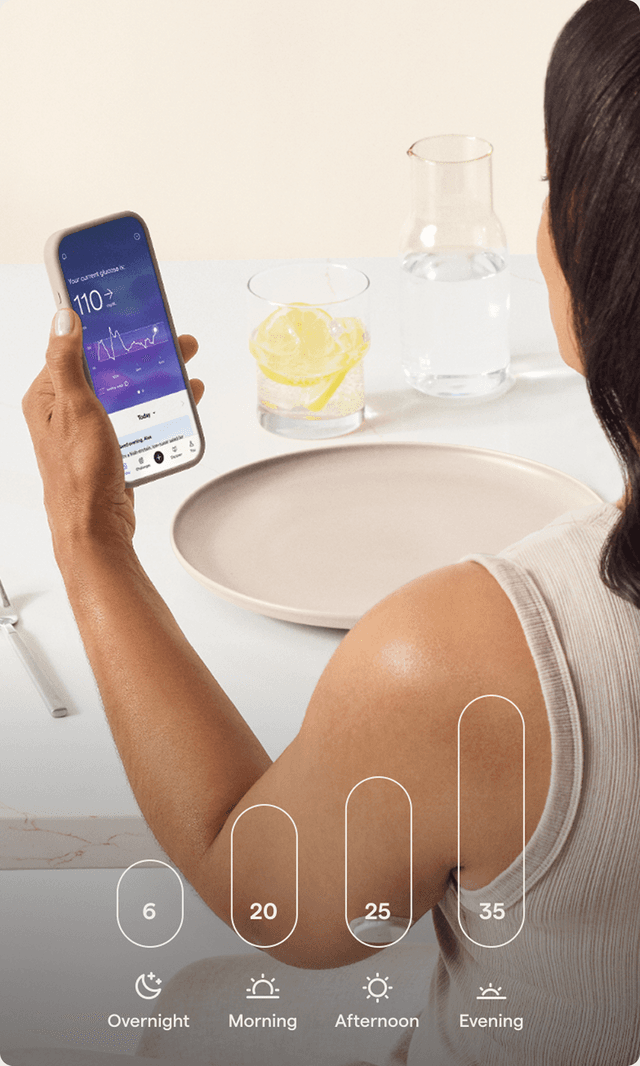
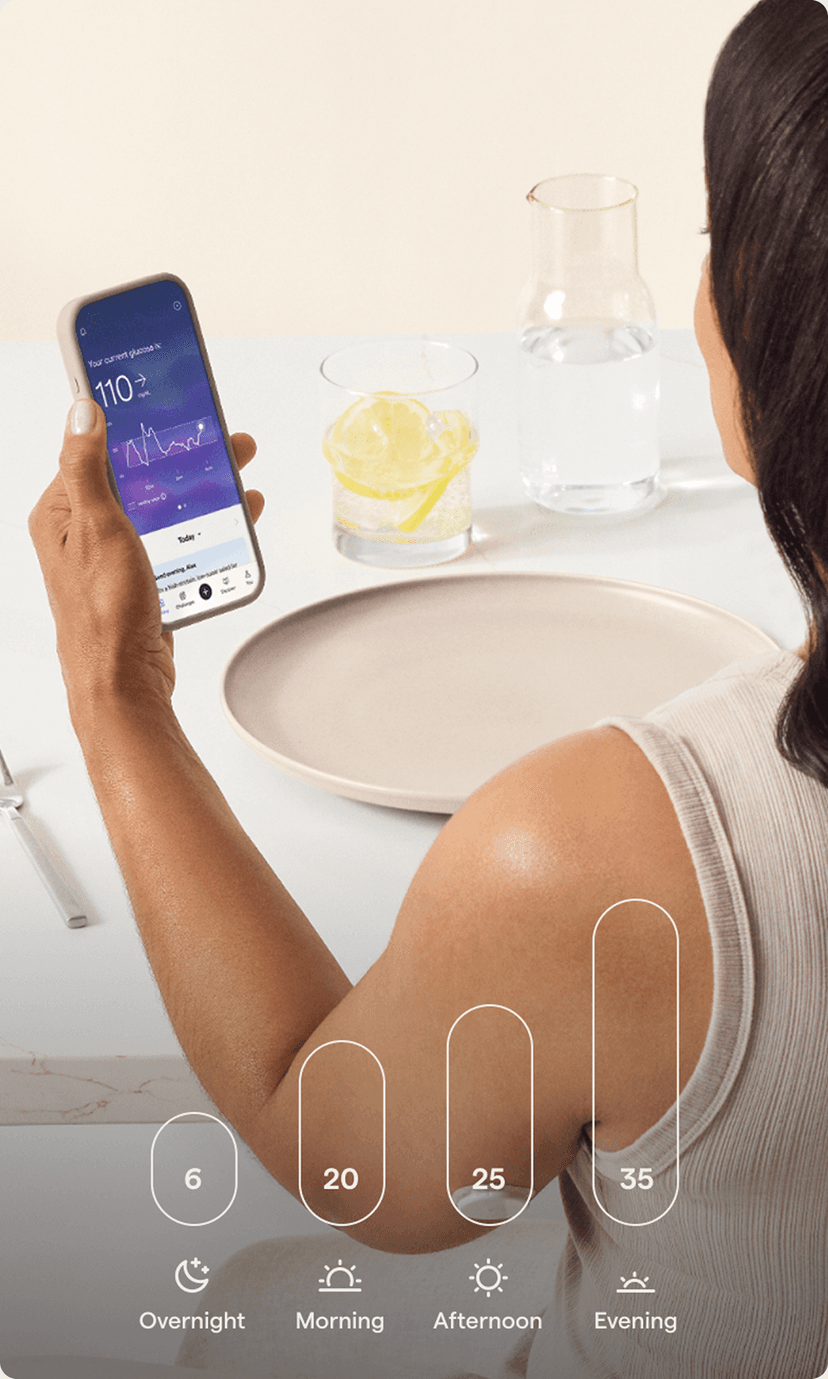
See your progress
Watch the impact of your new habits add up over time. Lingo provides daily, weekly, and monthly snapshots to keep you on track.
Save 10% on 4 weeks of glucose insights
No prescription needed. Use code
LIVEMORE10* at checkout.
- 2 Lingo biosensors with minute-by-minute glucose monitoring.
- Full access to the Lingo app.
- Available over the counter.
- Works with iOS and Android™.
Start & save
Free shipping
*Limited-time offer valid with purchase of a 4-week plan. Code is valid from 28 May 2026 to 30
April 2027 at 11:59 pm GMT on the Lingo website only. One use per customer. Not to be used in
conjunction with any other offer. UK only. Lingo is not for medical use. 18+ only. Individual
responses may vary.

Dr. Chatterjee’s top tips
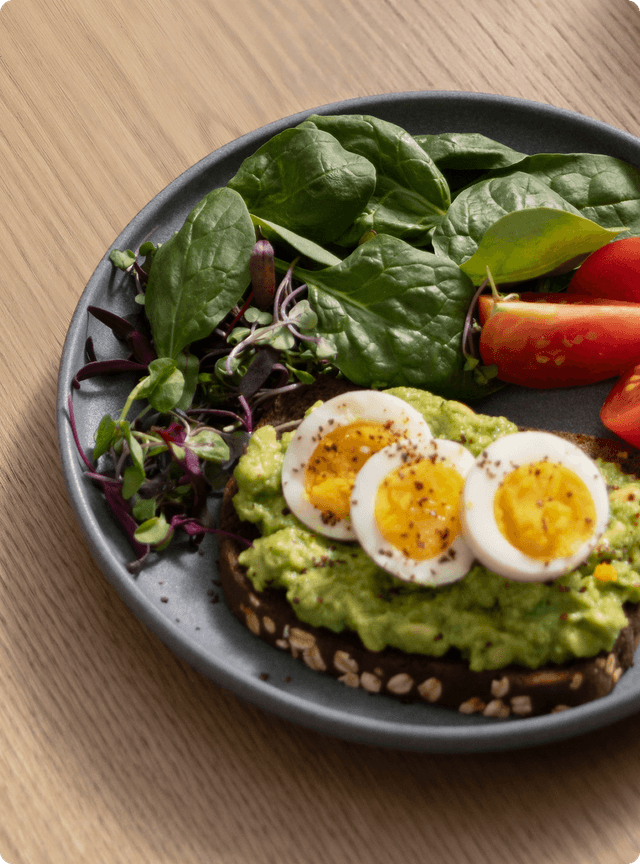
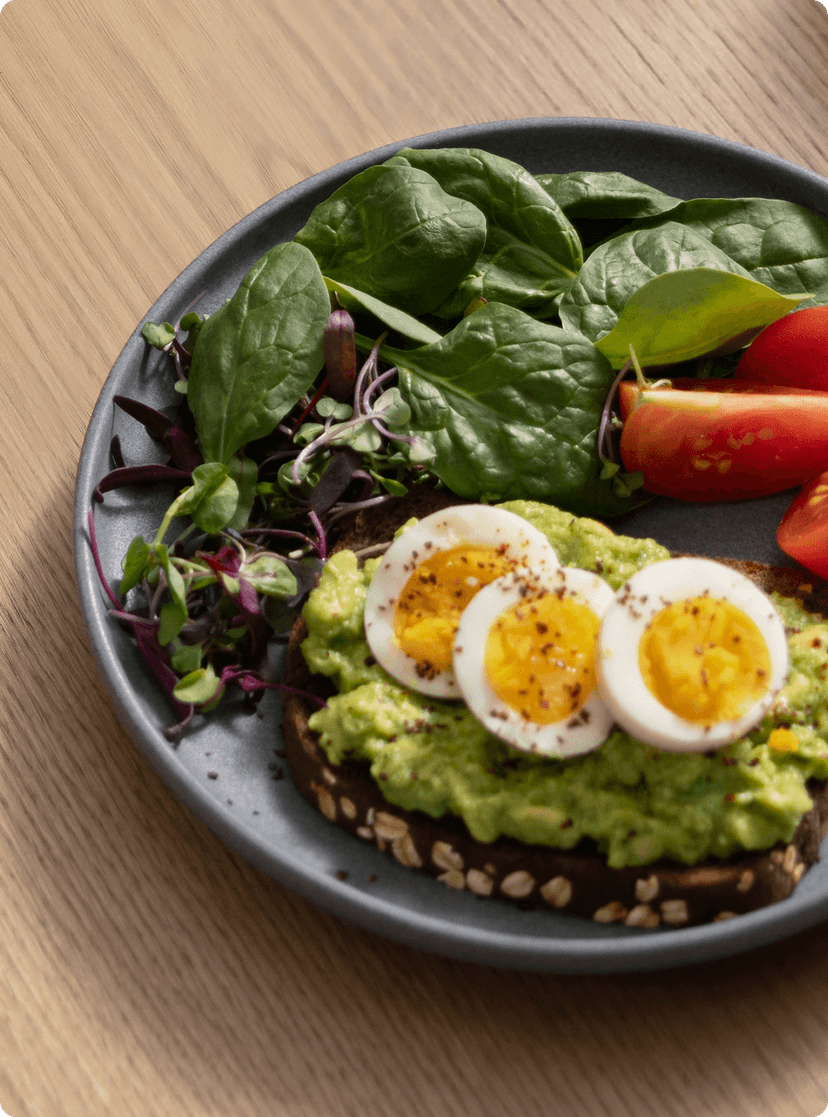
1 Dress your carbs & save for last
Think of fibre, protein and healthy fats as ‘clothing’ for carbs. If you eat certain carbs on their own, they’re absorbed quickly, triggering the spike‑and‑crash that leaves you tired and hungry.5,6 To avoid this, add protein or healthy fats7 and try food sequencing: veg first, then protein and fats, carbs last.8


2 Move more & often
Our muscles are hungry for glucose. When we move, they soak it up. The more muscle you have, and use, the more it helps keep glucose stable.9 Timing matters too. A brisk 10–20-minute walk after a meal shuttles glucose to working muscles, blunting the post-meal spike, helping you avoid that afternoon crash.10
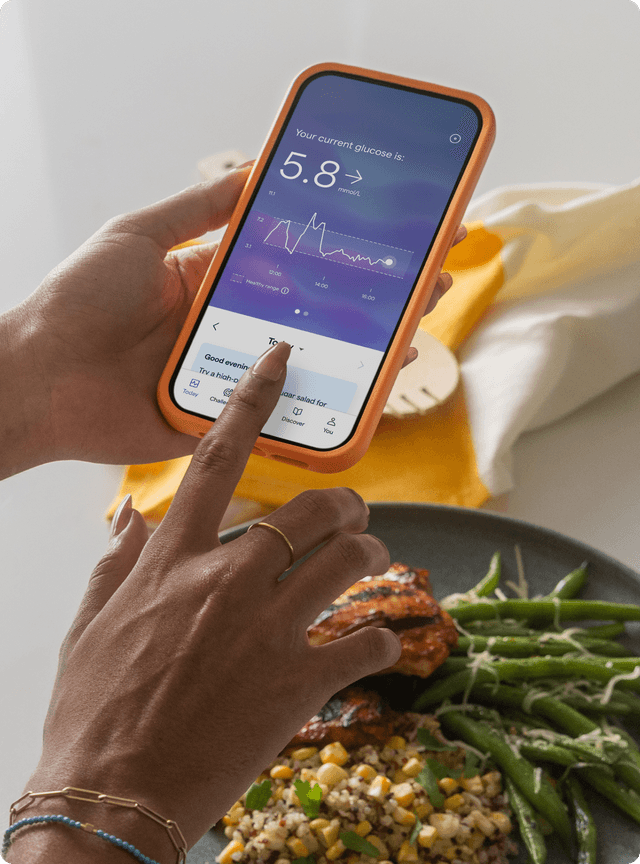
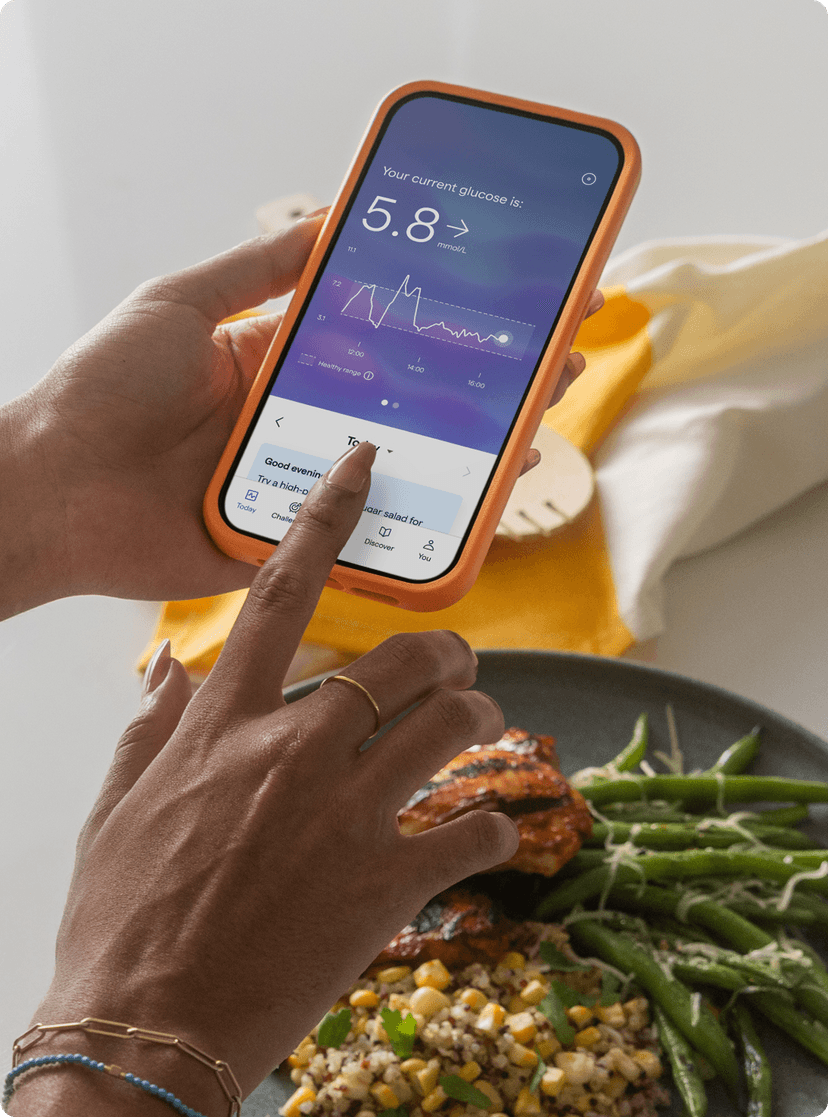
3 Stop guessing, start seeing
How we respond to food and daily life affects our metabolism and glucose — shaping everything from energy and mood to focus and sleep.11 Because we all respond differently,12 one‑size‑fits‑all diet advice often misses the mark. Seeing your glucose data removes the guesswork, helping you take action.13,14


4 Prioritize sleep
Sleep deprivation can make you temporarily insulin resistant the next day, so you struggle to process glucose effectively.15 Avoiding late-night eating can lead to better sleep.16 Aim for 7-8 hours sleep and close the kitchen 2-3 hours before bed, allowing your body to reset.
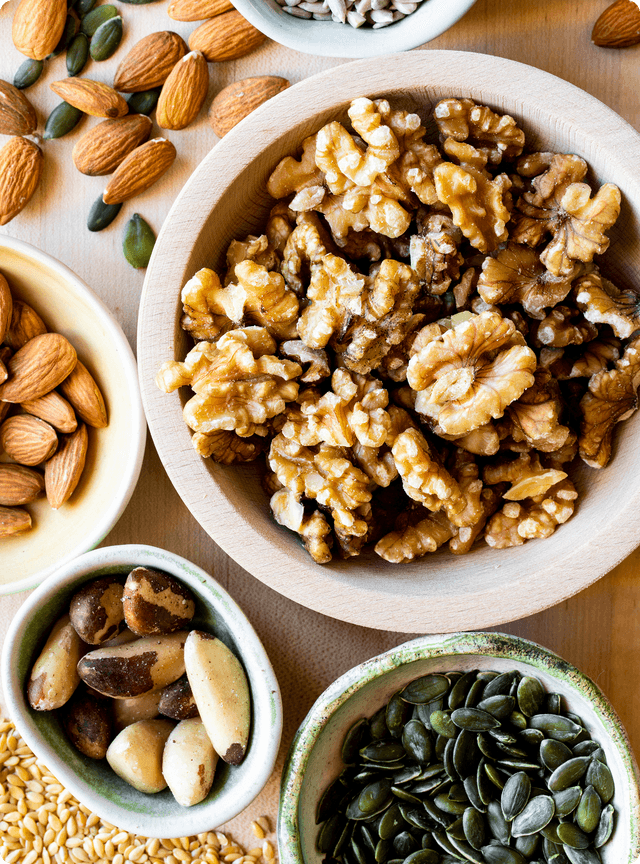
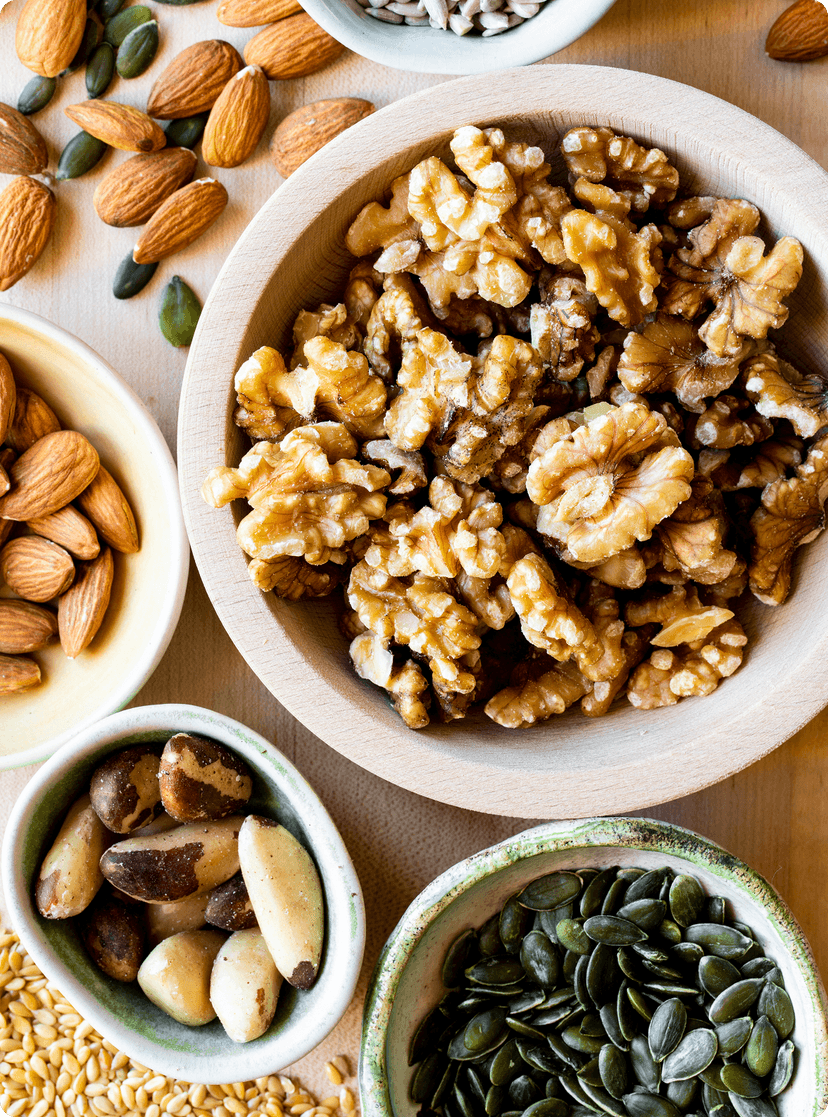
5 Be ‘safe snack’ ready
When you choose snacks that are high in carbs and sugar, it can lead to a glucose spike and crash that can leave you feeling hungry later.6 To bridge the gap between meals, have a “safe snack” ready that contains protein, fat, and fibre such as full-fat Greek yoghurt with berries and seeds.