
How likely are you to
have prediabetes?
8 out of 10 users with prediabetes say Lingo was effective in achieving their health goals.*


Navigate prediabetes with a new view of you
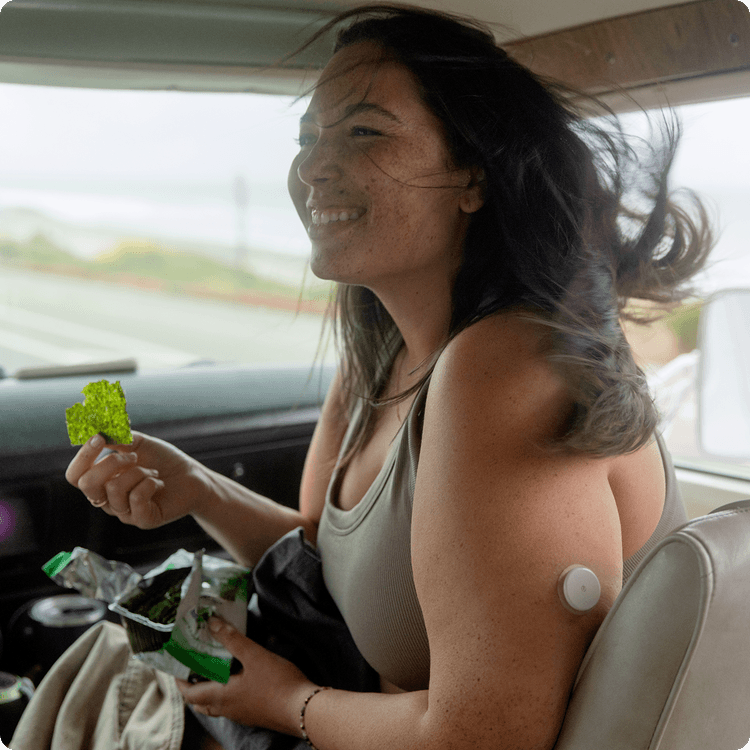
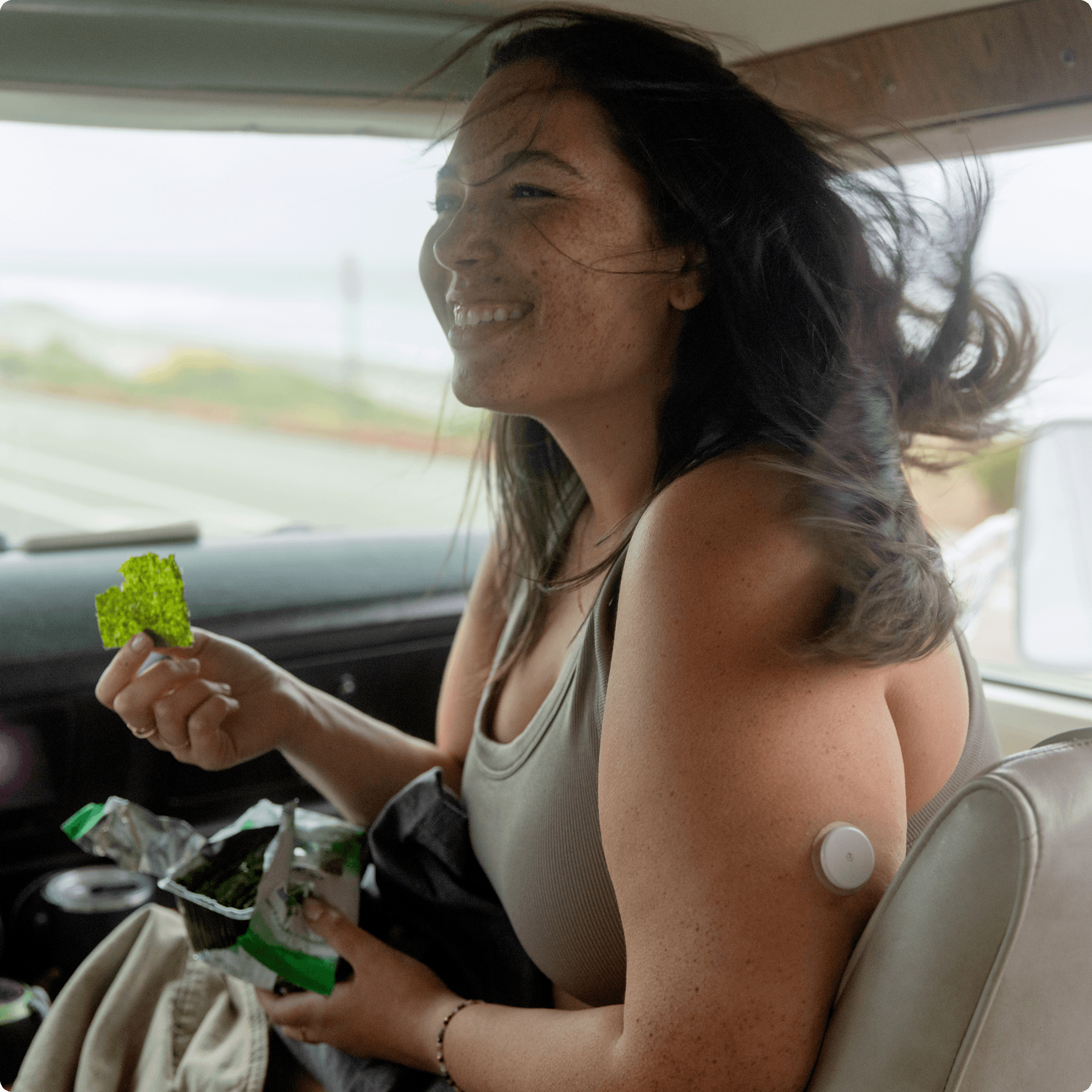
Lingo uses a continuous glucose monitor (CGM) to show you how your meals, activity, and habits impact your glucose.
- Spot glucose spikes and adjust your meals and activity
- Fine-tune nutrition based on your body’s unique response
- Track progress as you build healthier habits
Real-time glucose data and insights from Lingo can help you identify habits that keep your glucose in a healthy range, more often.
How Lingo works
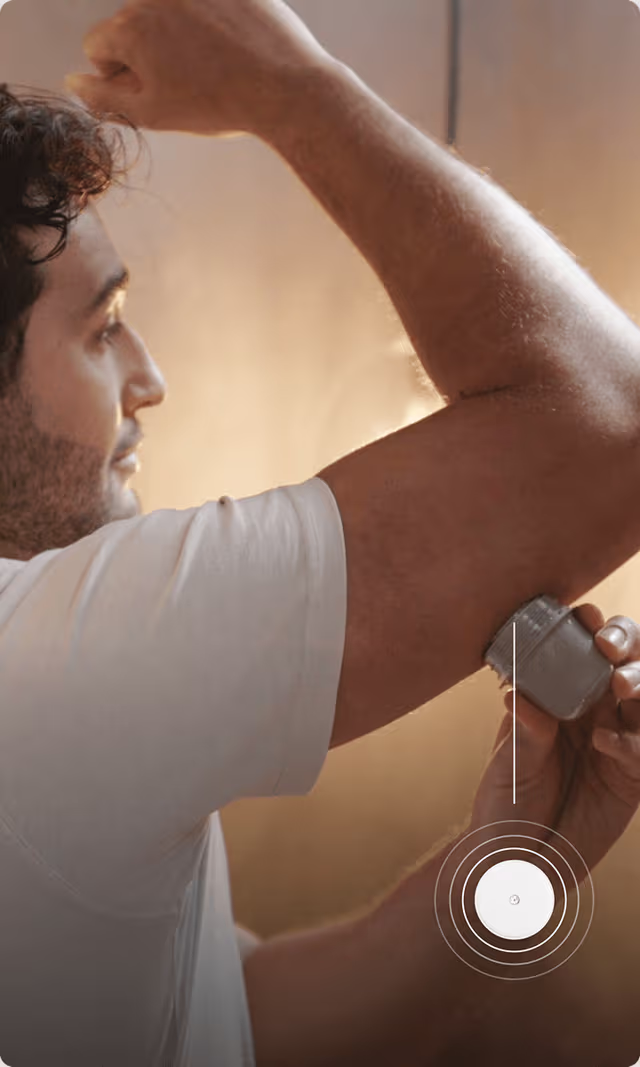
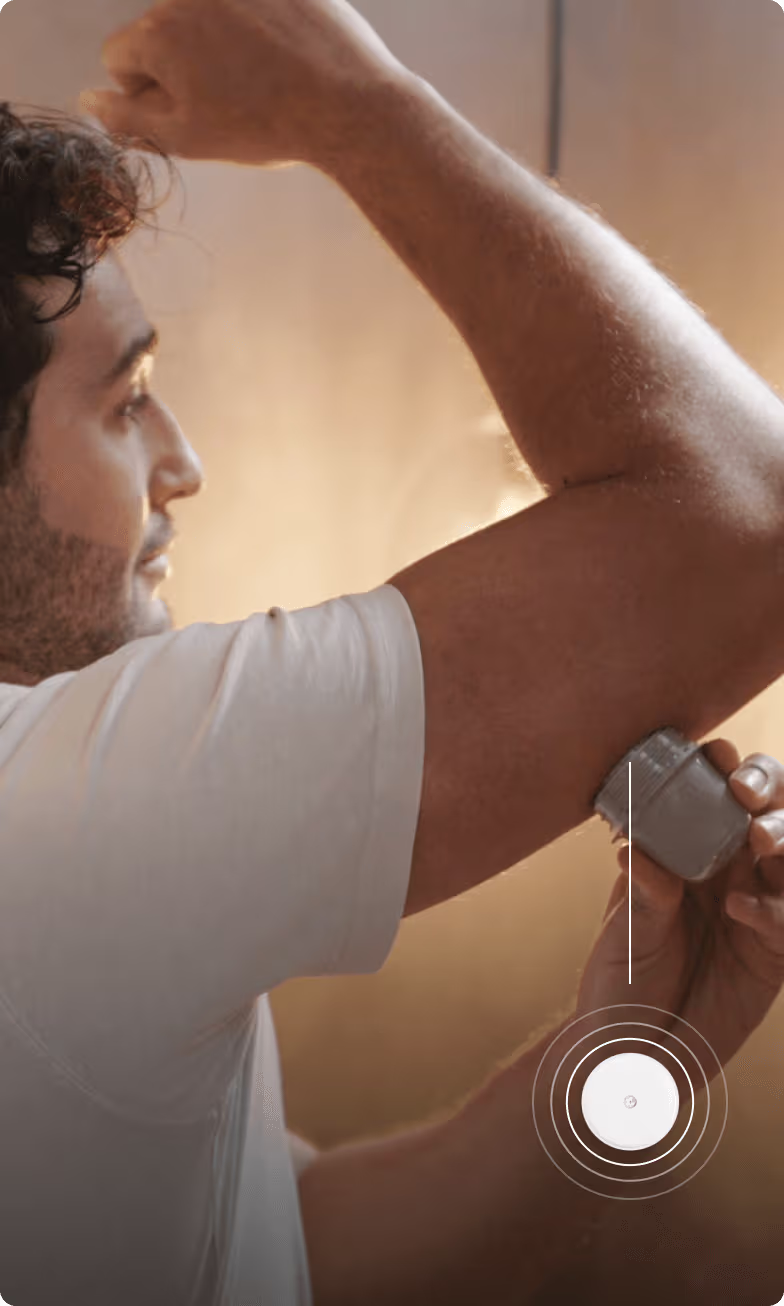
Apply your biosensor
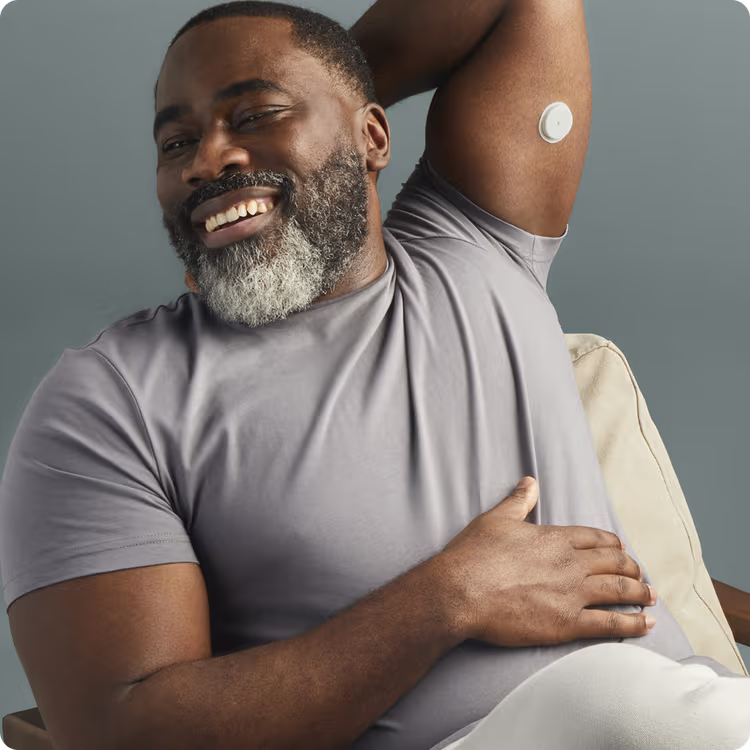
The Lingo biosensor is a continuous glucose monitor (CGM). It attaches painlessly* to the back of your upper arm. You won’t even notice it’s there.
Get real-time glucose data
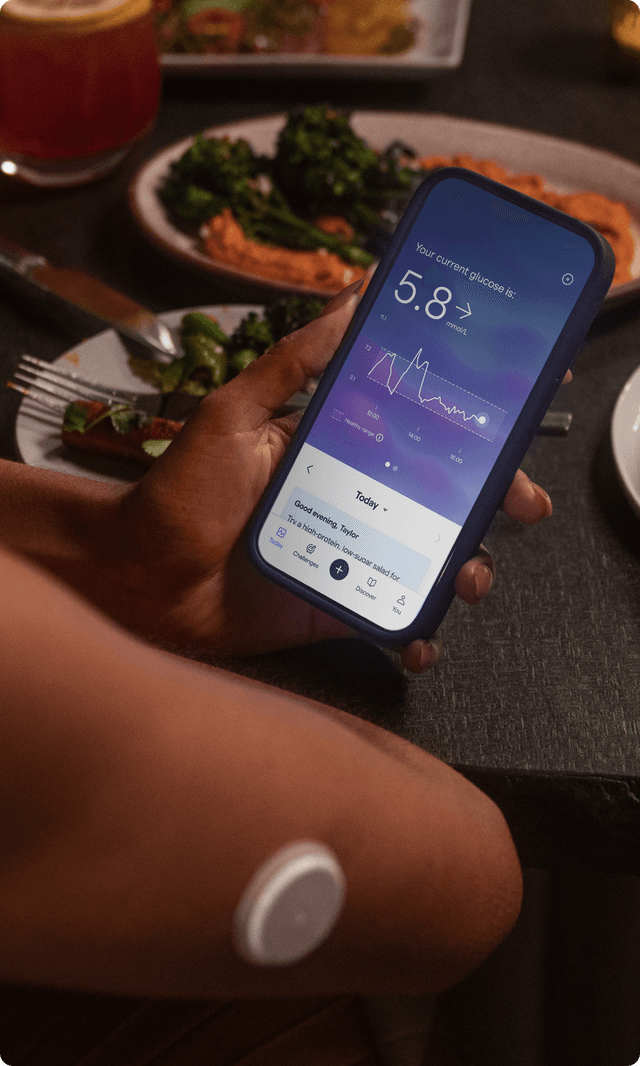
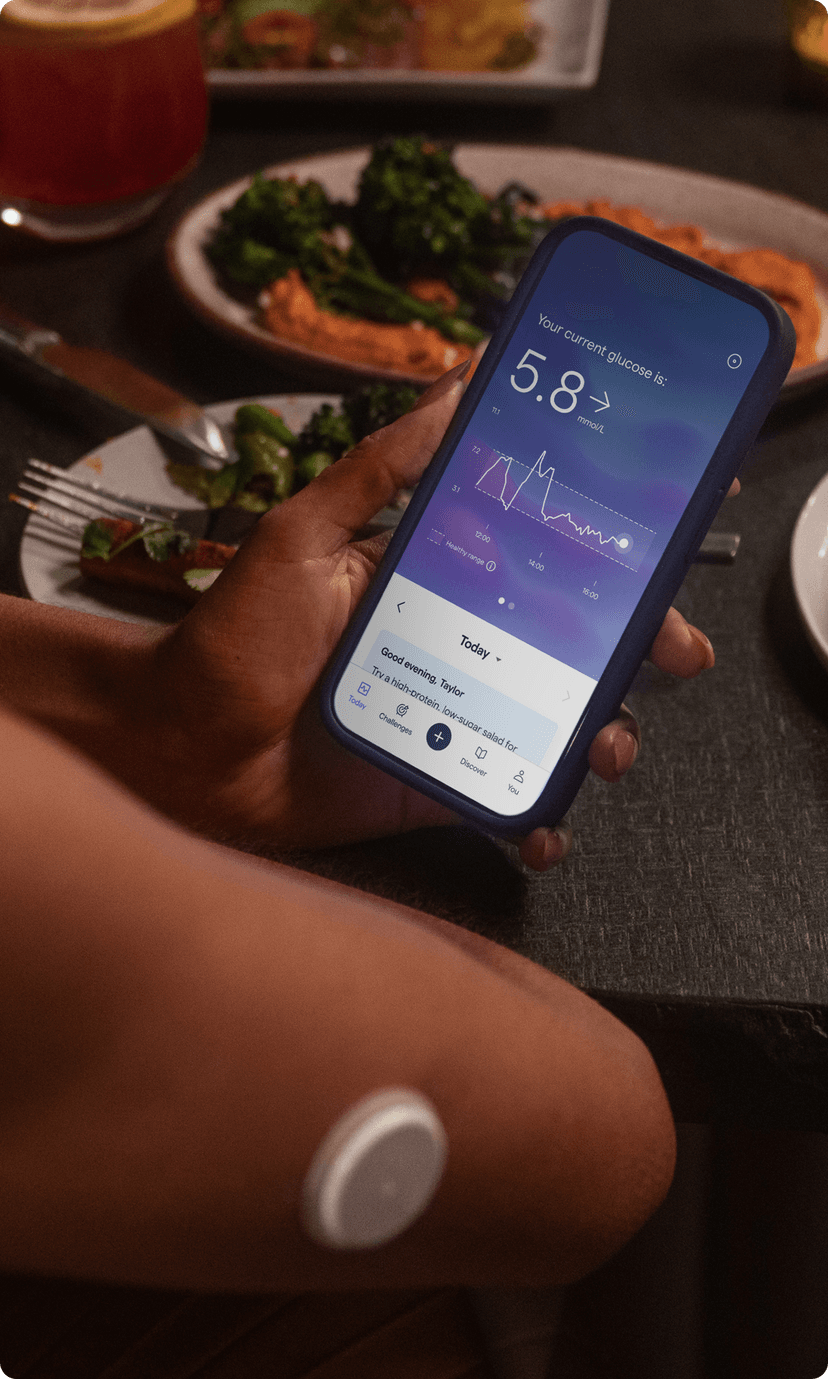
Your biosensor streams glucose data directly to your phone, so you can see the impact of your eating habits.
Connect with more health apps
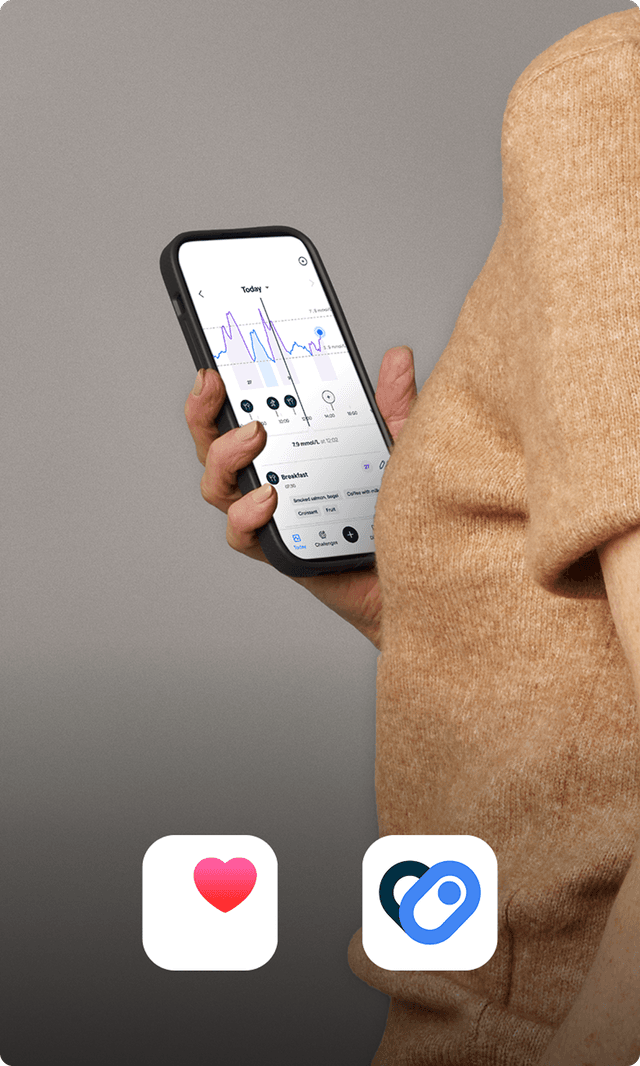
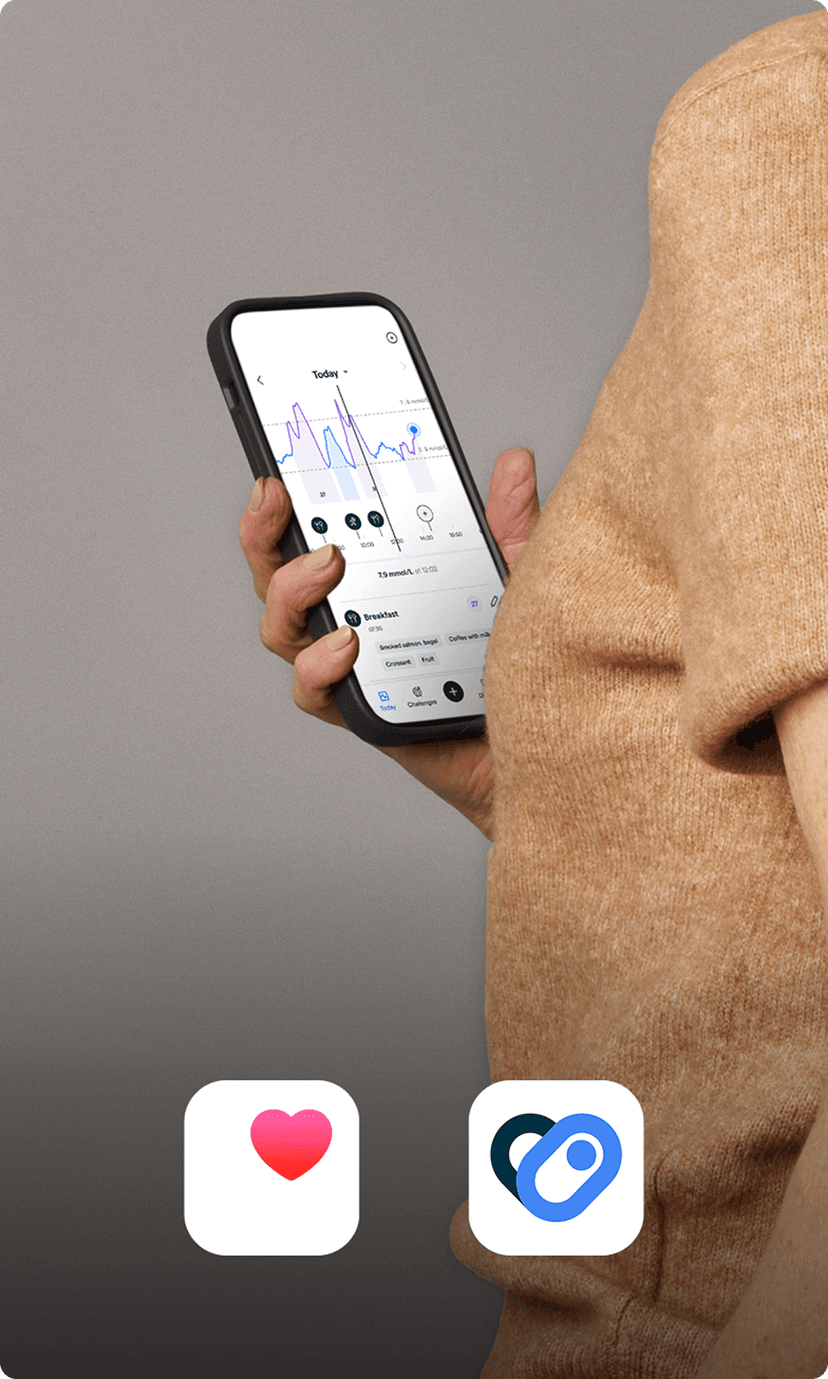
Auto-sync workouts and glucose data†† between Lingo and Apple Health or Health Connect™.
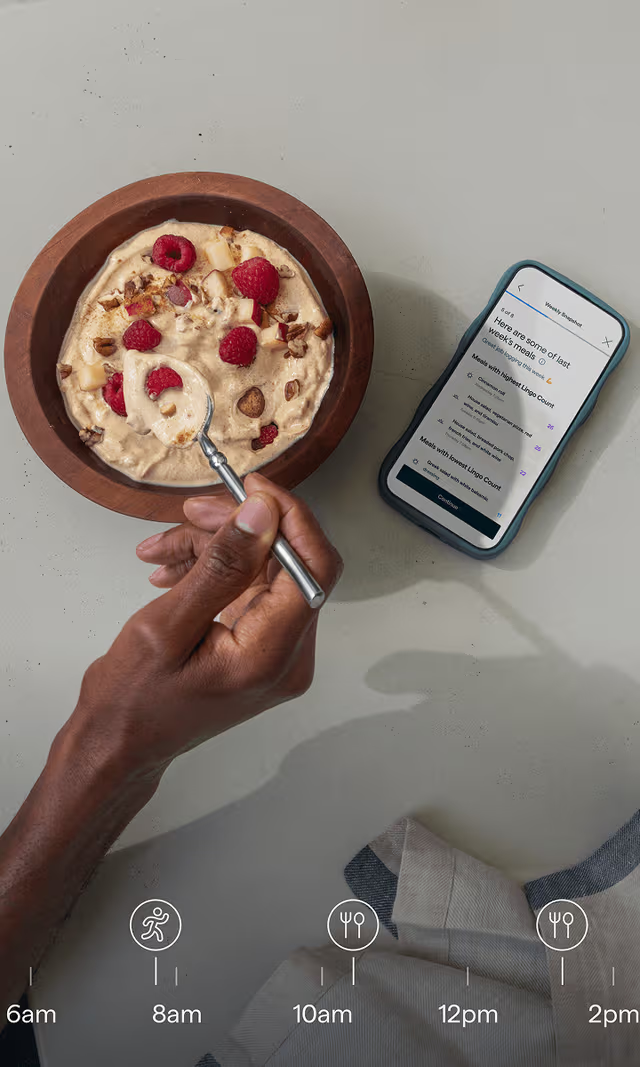
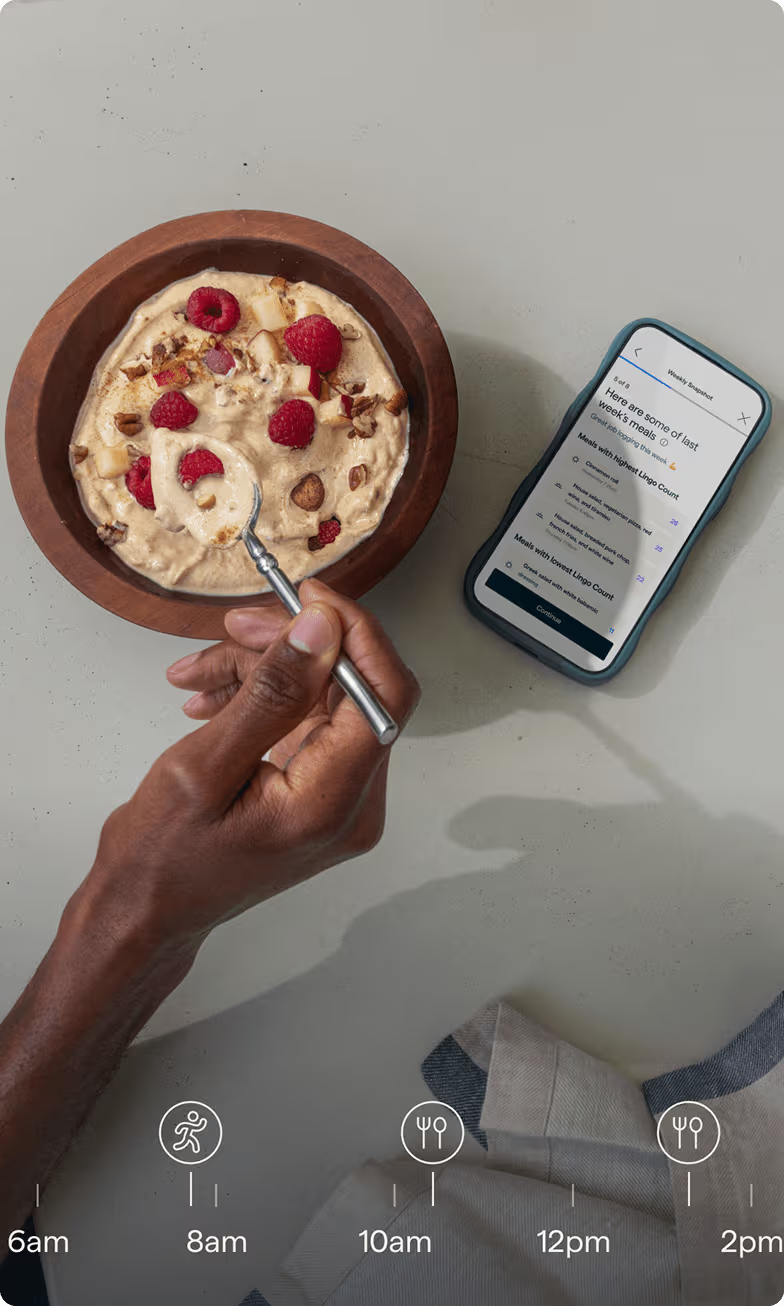
Learn new ways of eating
Discover which foods work for you and what to prioritise. Every body is different. Lingo helps you get to know yours in a new way.
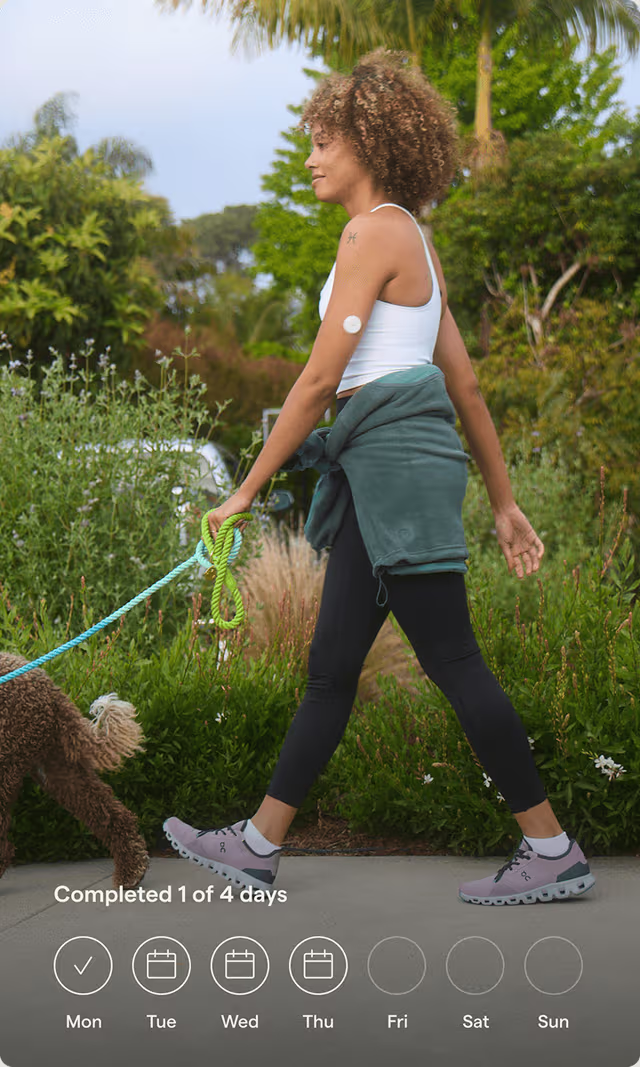
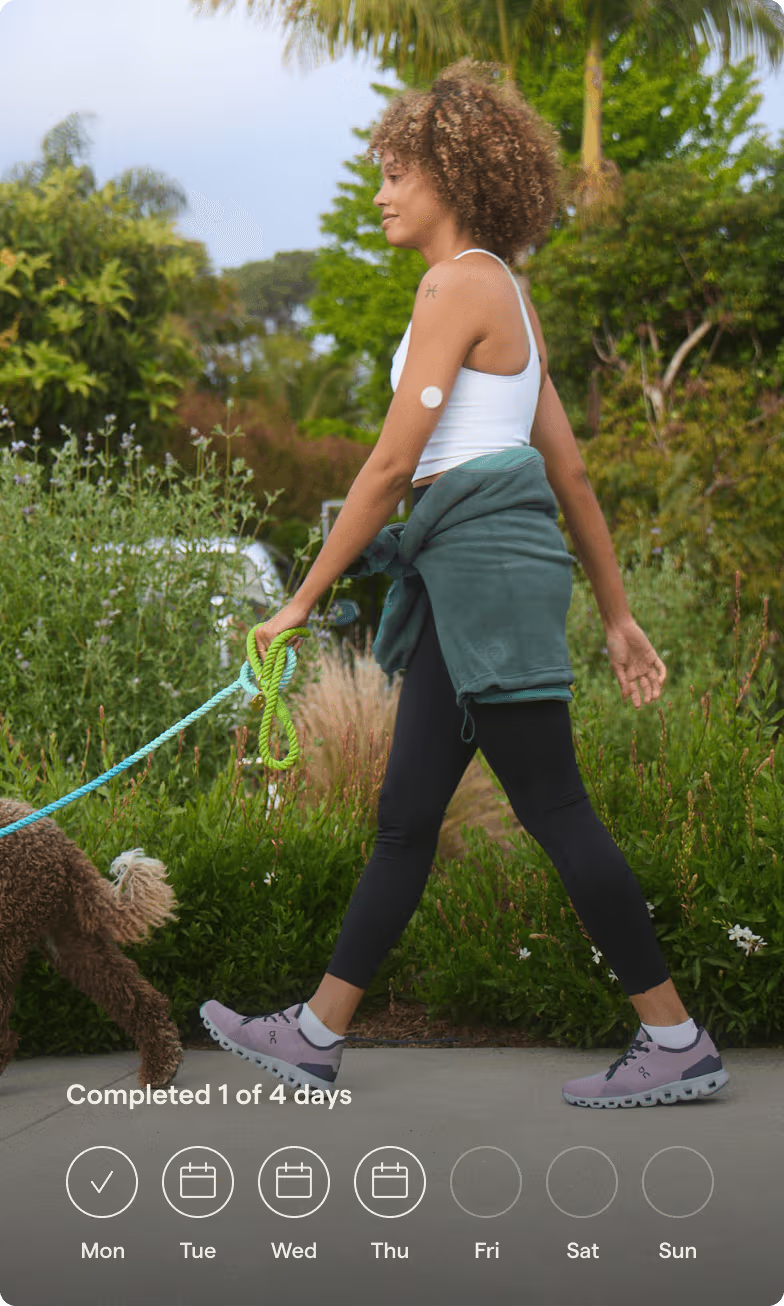
Turn insights into action
Armed with data and insights, you can build habits that support your goals. This is your body. Your data. Your health in your hands.
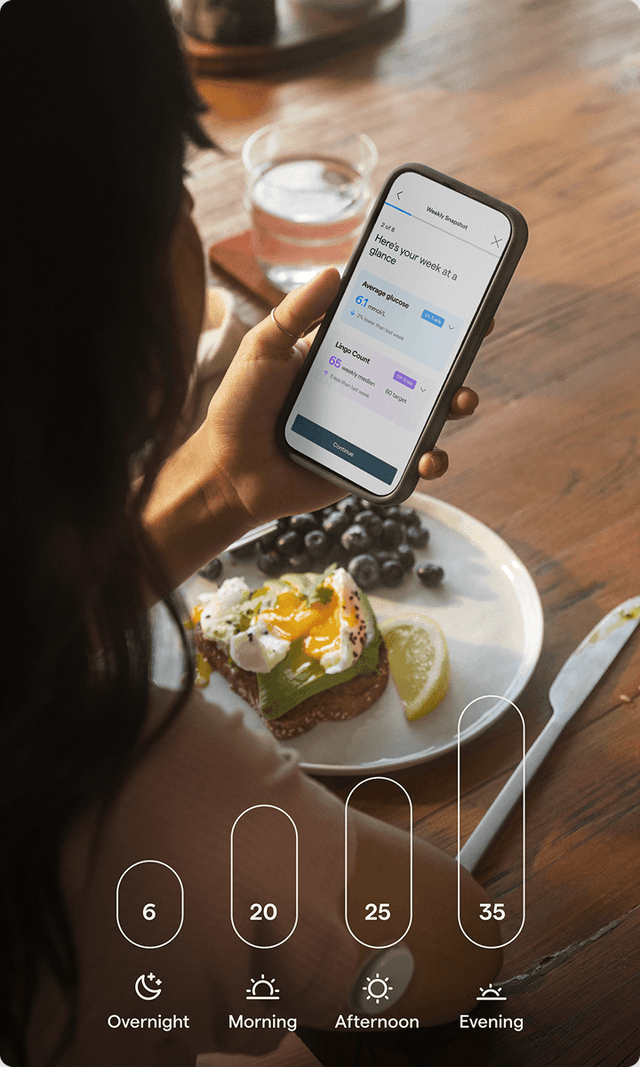
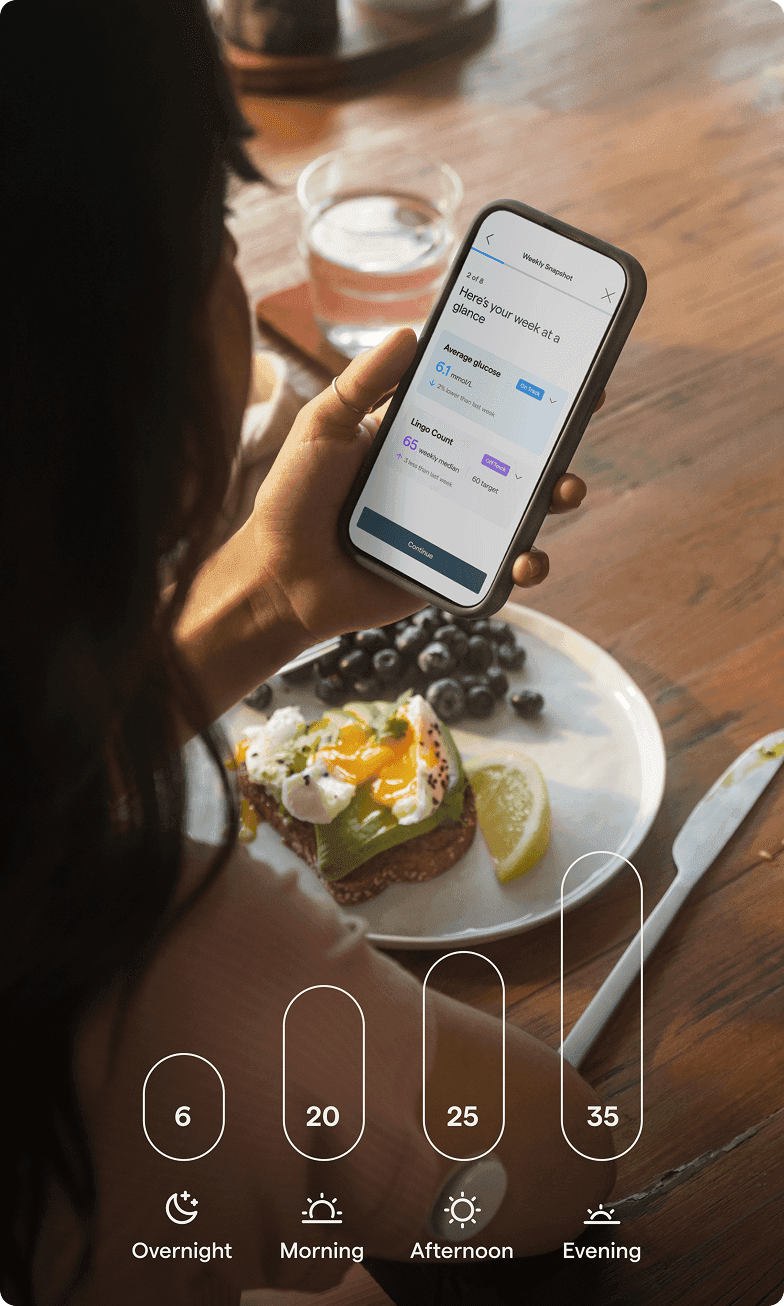
See your progress
Watch the impact of your new habits add up over time. Lingo provides daily, weekly, and monthly snapshots to keep you on track.
6.3M
In the UK, 6.3 million people are at risk of type 2 diabetes. That’s nearly 1 in 10.1
760M to 1B
Globally, more than 760 million adults have early signs of abnormal blood sugar —often called prediabetes. That number is expected to go beyond 1 billion by 2045.2
85% risk
Prediabetes contributes to elevated long-term health risks even without progressing to type 2 diabetes; 85% of the increased risk of complications such as heart disease, kidney disease, heart failure remains even among those who never develop diabetes.3
Start Lingo today
for just £59
Learn how your body responds to food and
exercise with a 2-week plan*, no commitment.
- 1 Lingo biosensor with minute-by-minute glucose monitoring.
- Full access to the Lingo app.
- Works with iOS and Android™.
Shop now
Free shipping
*No commitment. This plan does not auto-renew.

Essential reading


Can prediabetes be reversed? How nutrition and activity can help
Making changes to your nutrition, among other key lifestyle changes, may influence the reversal of prediabetes. Learn what the research says.
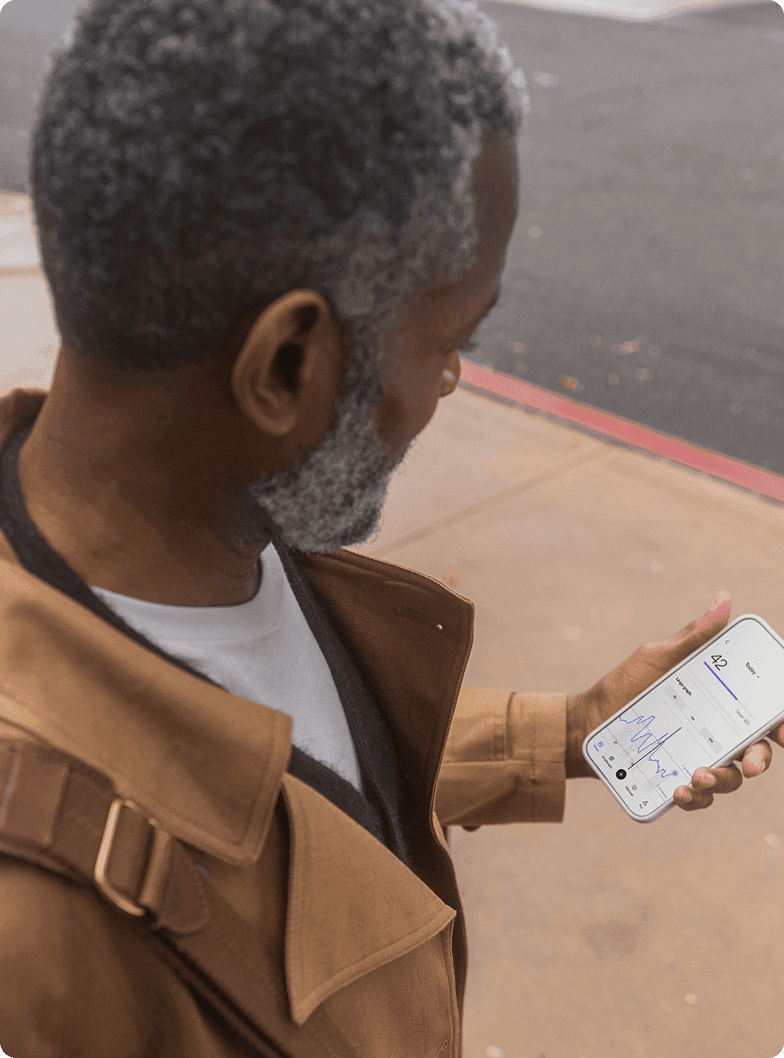
What is prediabetes? Understanding the symptoms, risks and treatment.
Prediabetes is a metabolic condition marked by elevated glucose levels that is linked to an increased risk of long-term health complications like type 2 diabetes and heart disease.
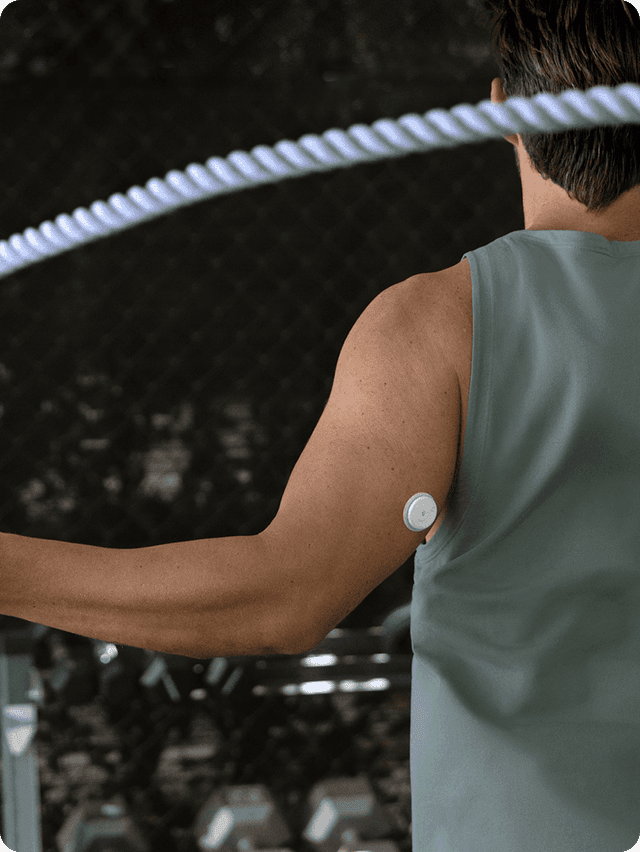
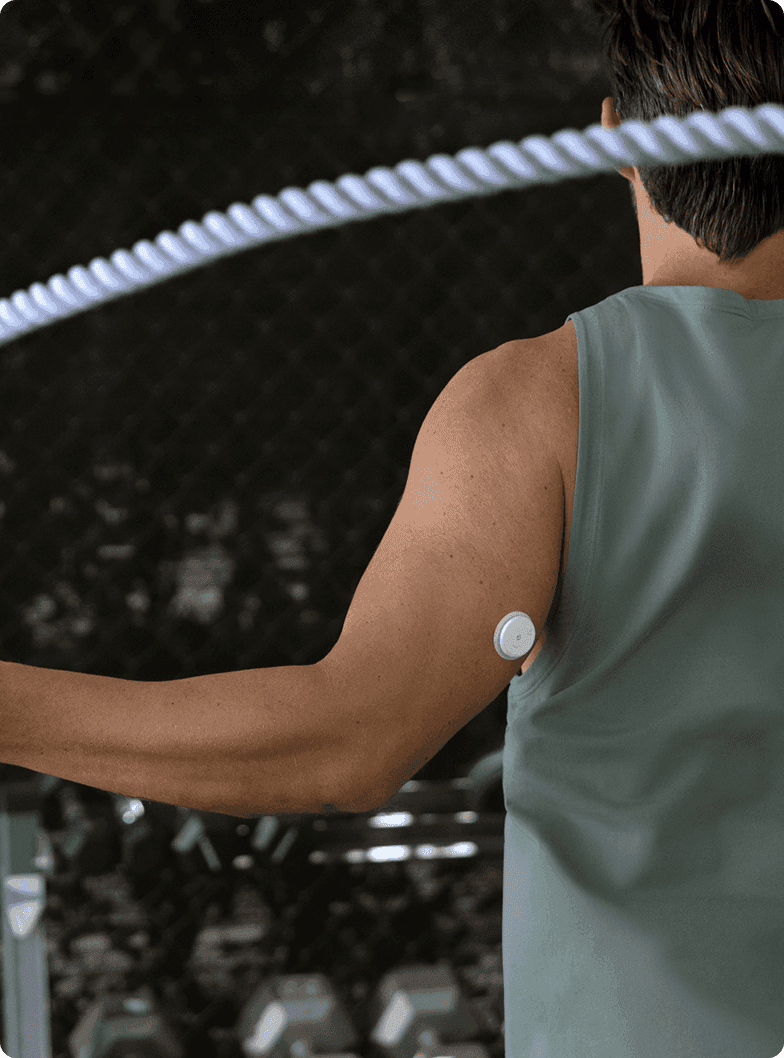
Is over-the-counter glucose monitoring right for your wellness journey?
Discover Lingo, an OTC integrated CGM, and see how it can enhance your wellness journey. Find out if it's the right fit for your health goals.
FAQs