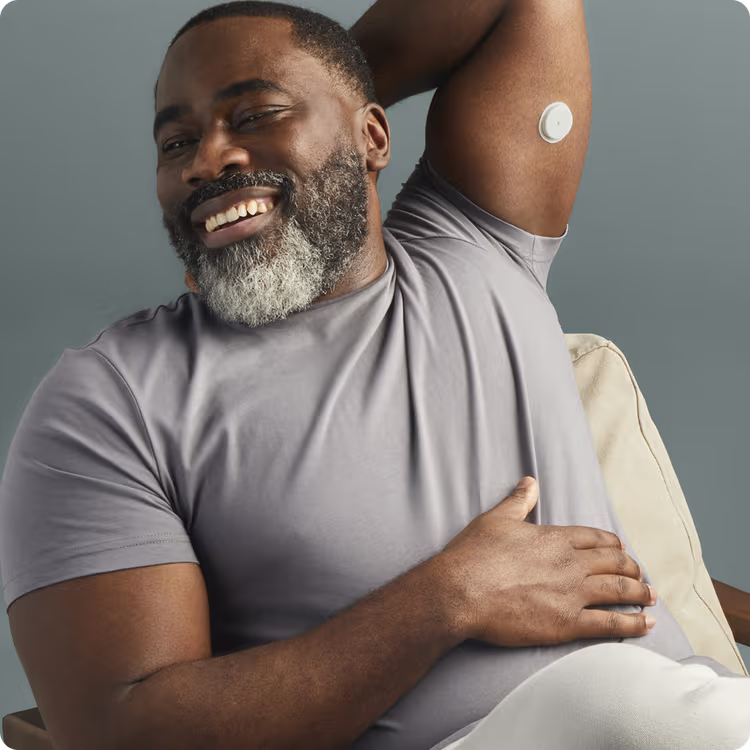
What advantages do CGMs have over finger-prick testing for glucose tracking?
Are continuous glucose monitors better than finger-prick tests for glucose tracking? Learn about their different readings, comfort levels, and uses here.

James McIntosh,
Editor

Anna Frye,
Medical Affairs
Published:
January 30, 2026
Read time:
6 minutes
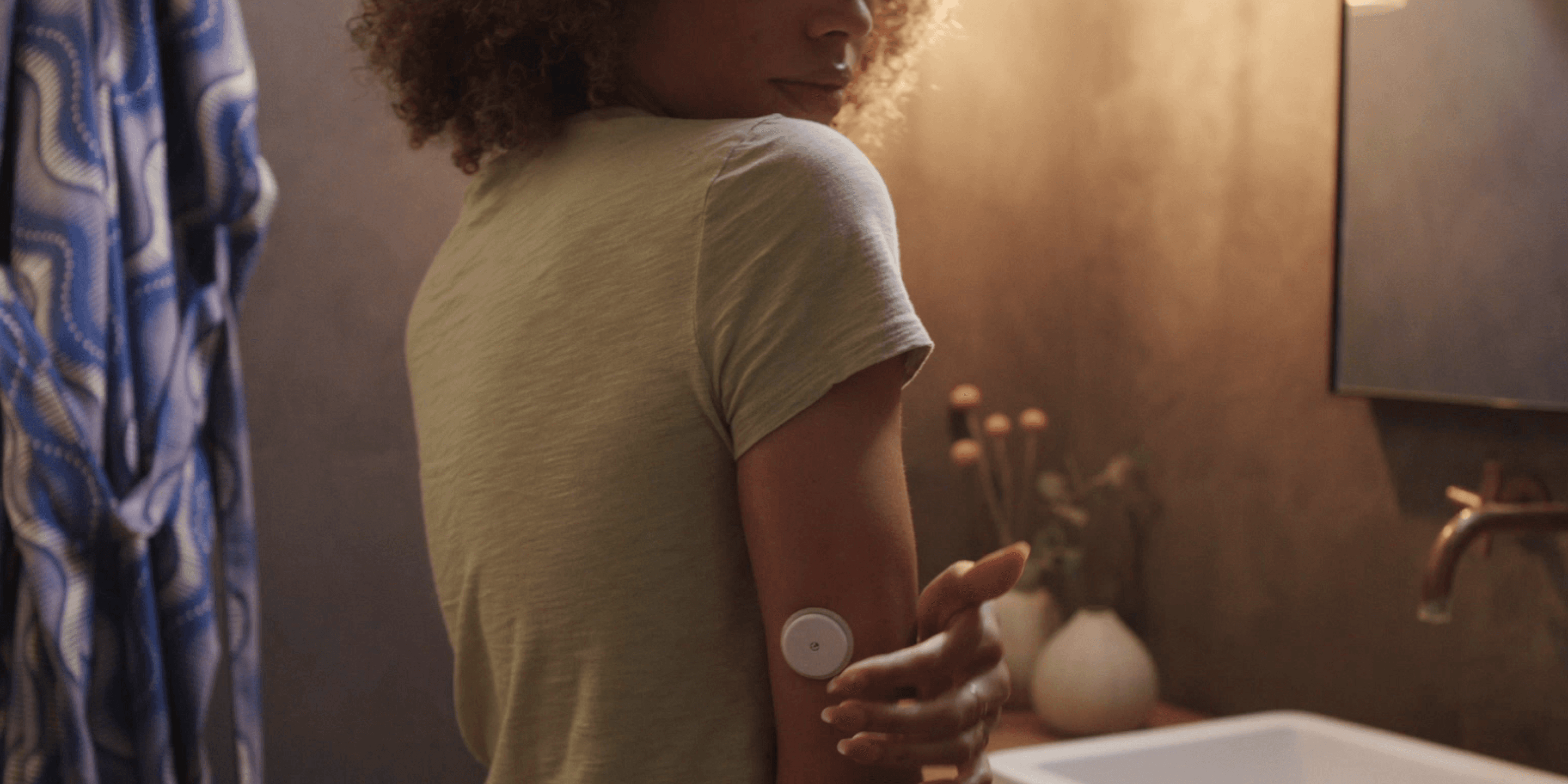
Continuous glucose monitors (CGMs) measure glucose levels in real time, allowing users to see how their glucose changes throughout the day.
Before CGMs became widespread, finger-prick testing was the primary method for checking one’s glucose levels, using a small drop of blood to get a measurement.
When most people think about glucose monitoring, finger-prick testing may often spring to mind. But how do CGMs differ from this traditional approach and which option might be the best fit for your needs?
Let’s break it down:
CGMs provide real-time data on how your glucose changes 24/7, while finger-prick testing only provides a snapshot of your glucose at a single moment.
CGMs measure glucose levels in your interstitial fluid, which can lag slightly behind blood readings from a finger-stick test. Research shows that interstitial fluid readings do provide an accurate reflection of glucose levels, however.1
Wearing a CGM allows you to measure your glucose without finger pricks, with many users reporting that they find them painless to apply and wear.2,3
Start Lingo today for just £59
Learn how your body responds to food and exercise with a 2-week plan*, no commitment.
Buy now
Benefits of using a CGM vs. finger-prick testing
CGMs have several advantages over finger-prick testing, from the amount of data they provide to their convenience. Let’s dive into the differences.
How it works
CGMs continuously measure glucose levels in your interstitial fluid—a thin layer of fluid that surrounds your body’s cells—using a tiny filament inserted just beneath the surface of your skin.
You apply the biosensor to your body (typically the back of your upper arm) and it remains in place for several days, providing glucose data throughout this time.
Lingo biosensors are designed to work for up to 14 days and should stay in place for this time. If one falls off or stops working before the 14 days is up, you can request a new one from the customer support team.
Finger-prick testing measures the amount of glucose in a drop of blood, which you extract by pricking the tip of a finger with a lancet. You’ll collect the blood on a test strip and then place it into a blood glucose meter.
Reading type
CGMs measure your glucose levels in real time and can provide readings as often as every 5 minutes.4 This data is typically sent by wireless connection for you to view with a smartphone app.
The regular readings allow users to see trends and have a clearer picture of the way different things can affect their glucose levels, such as their diet, exercise, stress, and sleep.
Finger-prick testing provides a single snapshot of someone’s blood glucose level at that moment in time. This can make it tricky to track glucose trends over time.
Discomfort
CGMs offer a minimally invasive way to measure glucose levels, requiring no finger pricks and typically involving less discomfort than traditional methods. Many users also find CGMs easy to wear and painless to apply.2
Lingo, designed and created by Abbott, reflects this experience—in an Abbott study, 91.6% of users agreed that applying the biosensor was painless.3
In contrast, finger-prick testing can be uncomfortable, which is one reason many people rarely collect more than seven glucose measurements per day.4
Cost
Buying a CGM without a prescription typically costs around £60 for one biosensor, which would last for up to 2 weeks.
It costs somewhere between £15 and £27 for a glucose meter with 50 test strips and lancets. Glucose meters typically last for several years. So, cost is one area where finger-prick testing might have an advantage over CGMs.
Use
CGMs are becoming more and more widely available with their uses expanding beyond diabetes management.5
For people without diabetes, research indicates that tracking glucose and implementing lifestyle changes to keep glucose steady could provide several health and wellbeing benefits. These include improved mood, sleep, energy, and hunger.6
Here is a list of different ways Lingo members can make use of their CGM:
See how specific foods, dishes, and meal timings can impact your glucose levels so you know which ones to prioritise.
Discover how different types of exercise and physical activity can influence your glucose trends, including during times of stress.
Automatically sync your workouts and glucose data between Lingo and Apple Health or Health Connect™.
Download and export your glucose data so that you can share it with a doctor or save a copy of it.
Use your personal glucose data as a source of feedback, accountability, and validation as you build healthy new habits.
Finger-prick testing is mainly useful for people with diabetes who either need a precise reading in a specific moment or to confirm a reading from their CGM.
How accurate are CGMs and finger-prick testing?
CGMs and finger-prick testing get their glucose results through different means, which can mean that using them at the same time can give you two different readings:
CGMs measure the level of glucose in your interstitial fluid.
Finger-prick testing measures glucose levels in your blood.
There’s a 5-10-minute delay in how your interstitial fluid glucose levels respond to changes in blood glucose.7 This is why CGM readings might not match finger-prick test results. For example, a finger-prick test shortly after drinking a sugary glass of soda would likely show glucose levels rising quickly, but a CGM would only start showing this several minutes later. However, research has proven that glucose readings using interstitial fluid reliably reflect blood glucose levels.1 In summary: finger-prick testing can give you an accurate picture of your glucose in one instant. But CGMs can give you an accurate view of how your glucose levels are changing over time, albeit with a slight delay.
A final note from Lingo
CGMs may have many advantages over finger-prick testing when it comes to measuring glucose levels. They allow you to see trends and possible patterns in how your glucose changes 24/7 rather than just a single point in time.
While CGMs can be a bit more expensive than finger-prick testing, they make up for this in their convenience, accessibility, and the sheer amount of data they provide.
Lingo is a CGM designed to help you see the impact of your eating and exercise habits, and support you in making changes to achieve your health goals.
The Lingo Glucose System is intended for users 18 years and older not on insulin. It is NOT intended for diagnosis of diseases, including diabetes.
The Lingo program does not guarantee that everyone will achieve the same results as individual responses may vary. Consult your healthcare professional before making changes to your diet or exercise regimen or if you have an eating disorder or a history of eating disorders.
© 2026 Abbott. All rights reserved. The biosensor shape and appearance, Lingo, and related brand marks are marks and/or designs of the Abbott group of companies in various territories. Other marks are the property of their respective owners.
Published:
January 30, 2026
Read time:
6 minutes

James McIntosh is an editor at Lingo. He has been a health and science writer and editor for over 10 years, contributing to some of the most visited health websites worldwide. Prior to this, he graduated with a master’s degree in creative and critical writing from the University of Sussex.

Anna Frye is a Medical Affairs Specialist at Lingo. She has a background in clinical research at the University of Colorado Boulder and Huntsman Cancer Institute in Salt Lake City. She also has 6 years of hands-on experience in digital health—specifically in the metabolic health space. Anna is passionate about making science approachable. She’s especially curious about glucose, longevity, and the future of personalised health, and is driven by a mission to help people feel more in control of their health journey.
More to explore on the blog
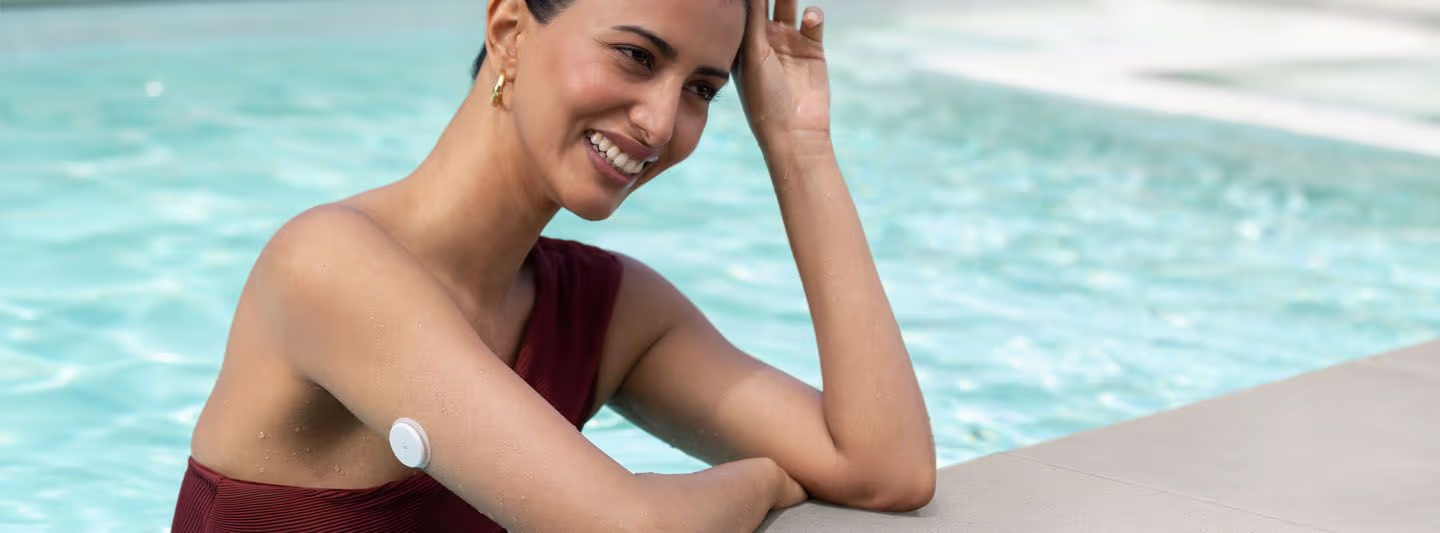
Breaking down the Lingo biosensor: Wearing, applying and removing the biosensor
Our guide breaks down the Lingo biosensor. Learn more about how it works, how to apply it, how to remove it and what to do if it stops working prematurely.
May 23, 2025|6 minutes
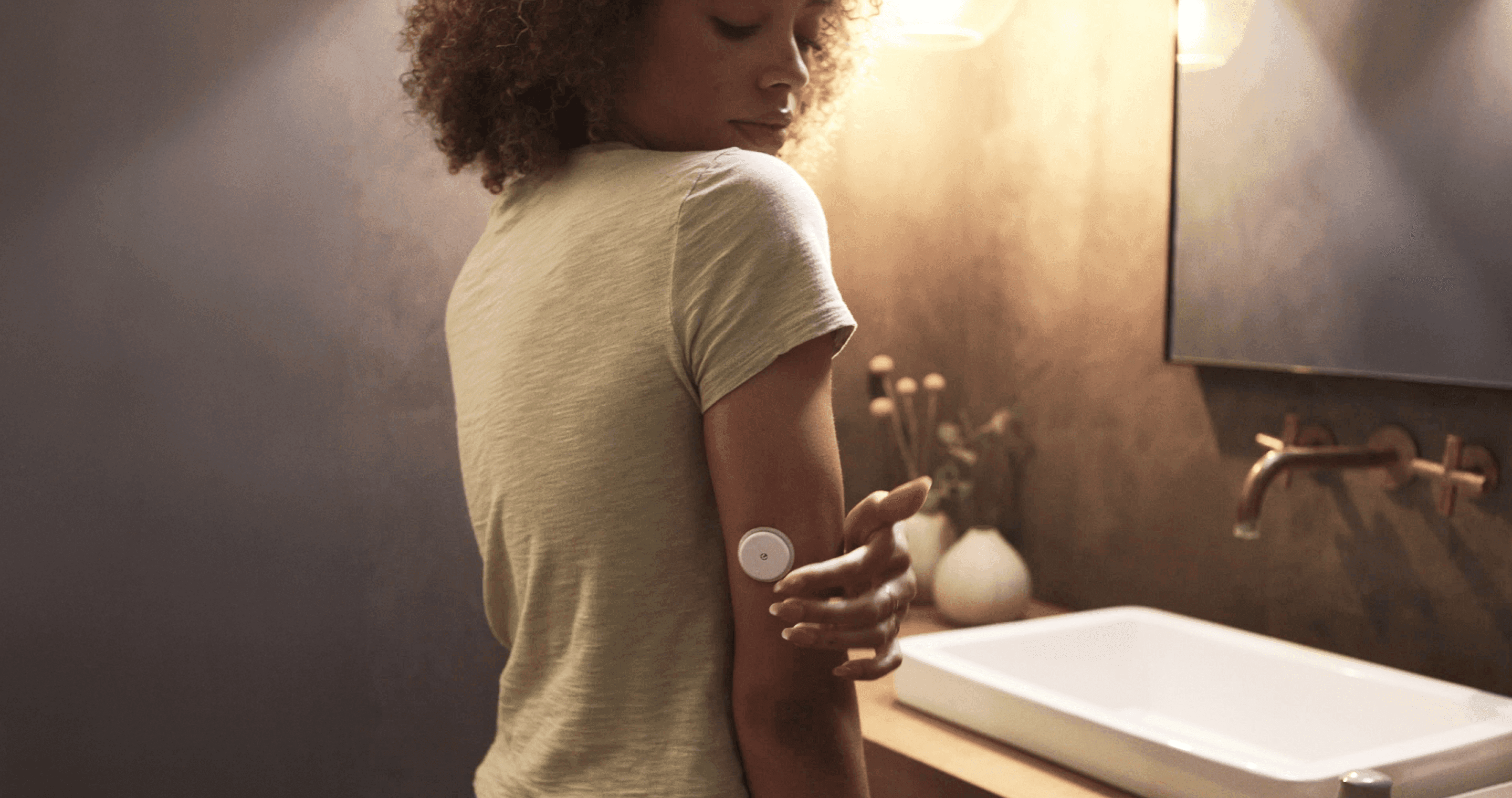
What is a CGM? How it works and how to apply one
Continuous glucose monitors (CGMs) are wearable devices that measure your glucose levels around the clock. Learn why people with and without diabetes are using CGMs.
April 04, 2025|7 minutes
A healthy choice for your inbox
Sign up to get science-backed health tips and special offers.
Start Lingo today
for just £59
Learn how your body responds to food and
exercise with a 2-week plan*, no commitment.
- 1 Lingo biosensor with minute-by-minute glucose monitoring.
- Full access to the Lingo app.
- Works with iOS and Android™.
Shop now
Free shipping
*No commitment. This plan does not auto-renew.