
5 habits for healthier glucose
Tips to help you on your health journey
It’s not just about what you eat, but how you eat. And you don’t need a total overhaul. Simple shifts in ingredients and food sequencing can have a big impact — more intention, less autopilot. For example, you can reduce a glucose spike by up to 30% by simply changing the order in which you eat your meal.
Using the latest research, our team of experts in health and nutrition created a cheat sheet of 5 practical tips to help you steady your glucose and stay on track with your goals.
The Lingo fundamentals
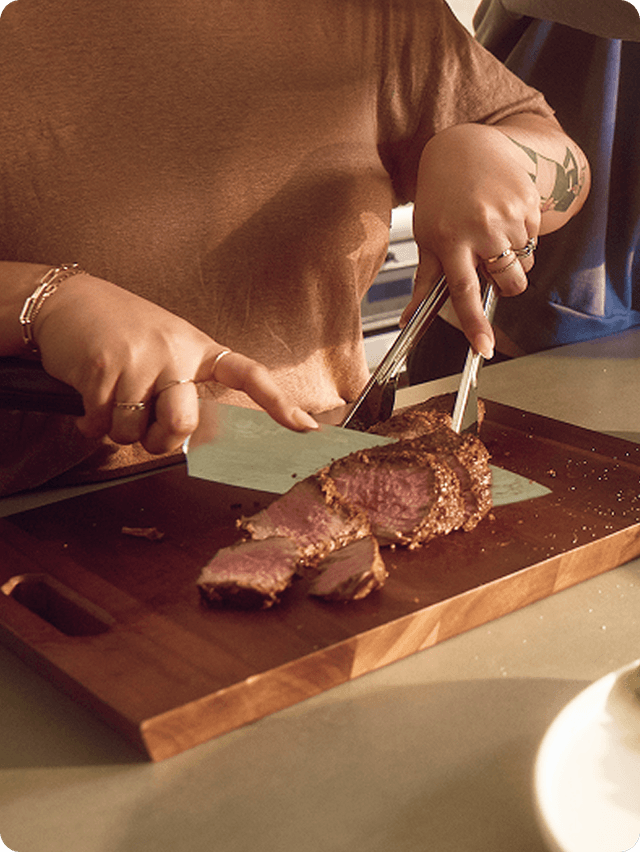
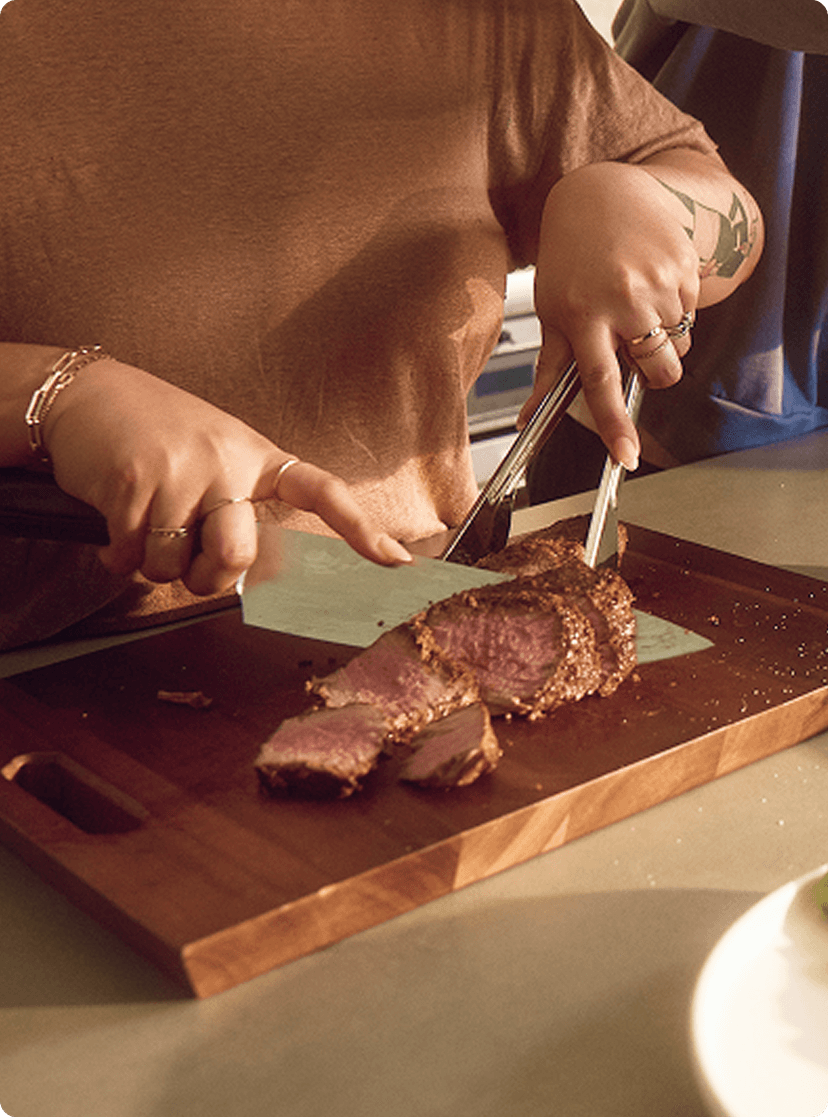
Prioritise protein


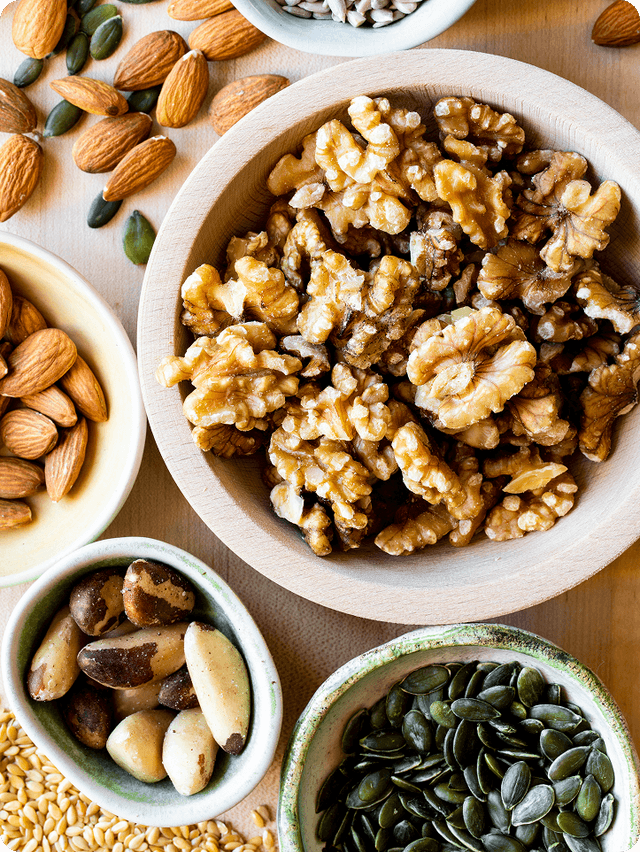
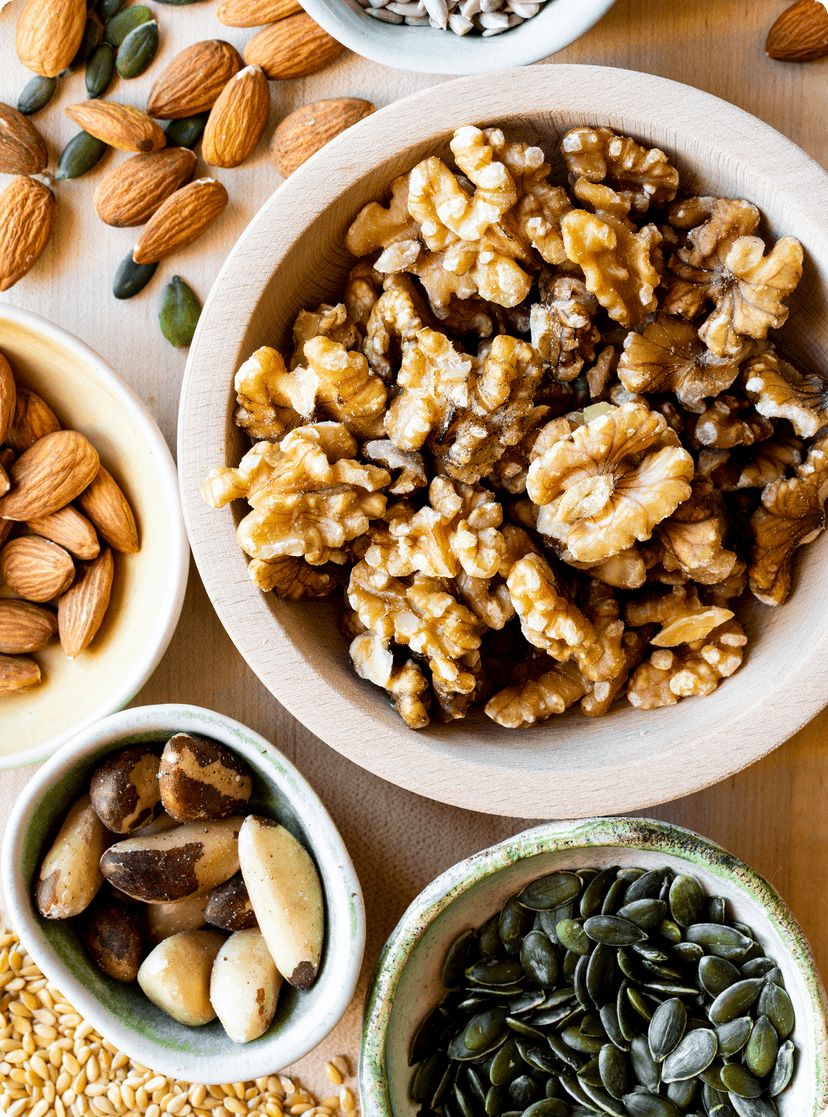




Fuel better, feel better
Finding foods and habits that work for your routine, and your glucose has all kinds of benefits.
Feel more energised
Notice that 3pm crash? Could be your glucose. Clocking out early. Studies have shown that steady glucose may lead to better sleep, giving you the energy to power through the day.1 In turn, better sleep can also help to keep your glucose steady.2 The cycle is simple. Crash less. Boost energy. Repeat.
Reduce body fat
As glucose rises, so does insulin.3 And when insulin is chronically elevated, it can impair the body’s ability to burn fat for energy.4,5 Seeing your real-time glucose data can help you build habits that reduce body fat.6
Refresh your focus
Brain fog isn’t your imagination. It’s your glucose with too many tabs open. When your glucose is steady more often, you can improve your mental clarity, focus, and memory.7,8
Protect your heart
What you eat matters for your glucose and your heart. Studies show that consistently high glucose levels (>7.8mmol) are linked to higher heart disease risk.9,10,11,12 The TLDR: Keep your glucose in a healthy range* (3.9-7.8 mmol/L) more often. Your heart will thank you.
* A typical glucose range for healthy individuals is 3.9-7.8 mmol/L. Occasionally, one may find themselves over 7.8 mmol/L or under 3.9 mmol/L, which is expected.
A healthy choice for your inbox
Sign up to get science-backed health tips and special offers.
FAQs