
5 habits for healthy glucose
Science-backed tips to help you on your health journey
It’s not just about what you eat, but how you eat. And you don’t need a total overhaul. Simple shifts in ingredients and food sequencing can have a big impact — more intention, less autopilot. For example, you can help reduce your post-meal glucose by 25-50% just by eating your carbohydrates last.1,2
Using the latest research, our team of experts in health and nutrition created a cheat sheet of 5 practical tips to help you reduce your glucose impact and stay on track with your goals.
The Lingo fundamentals
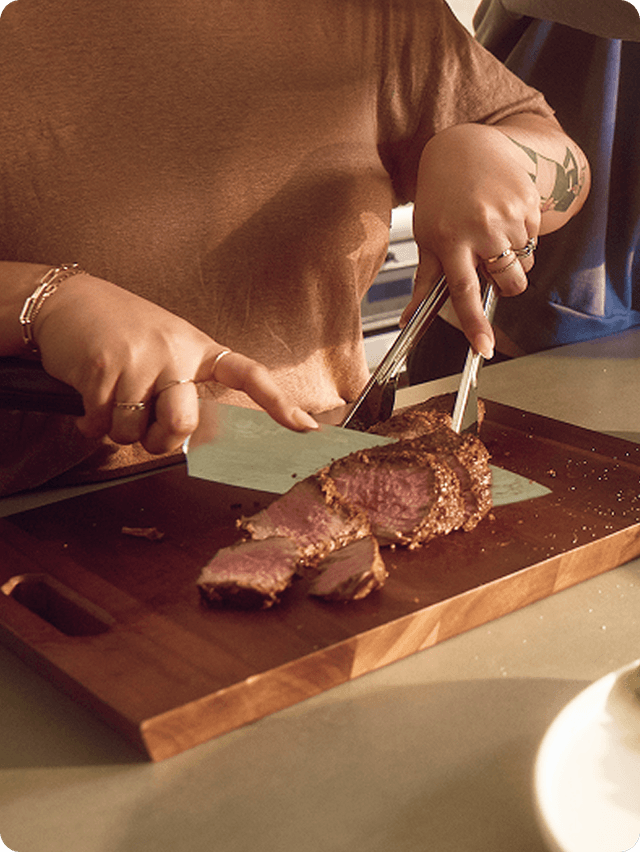
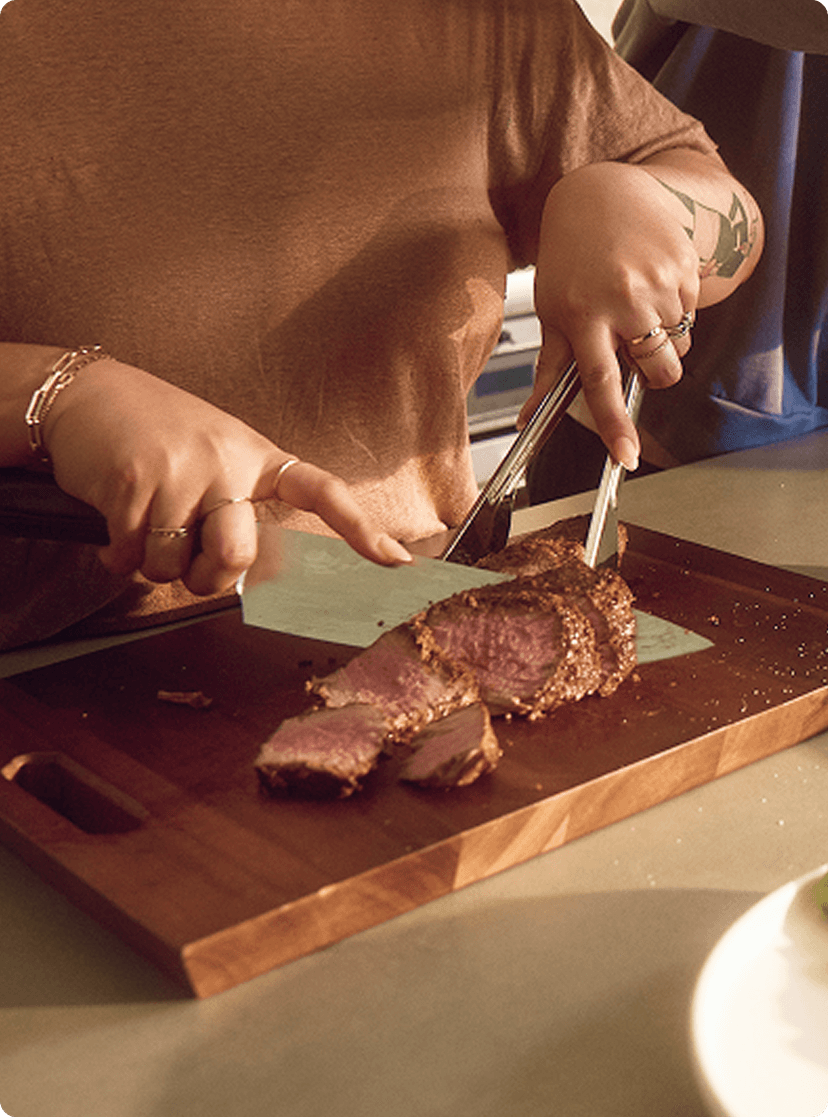
Prioritize protein
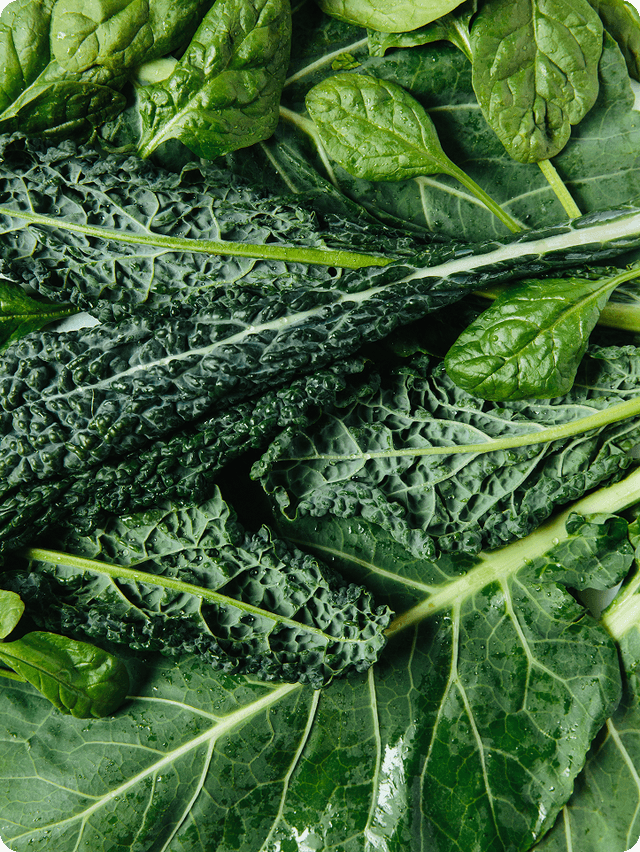
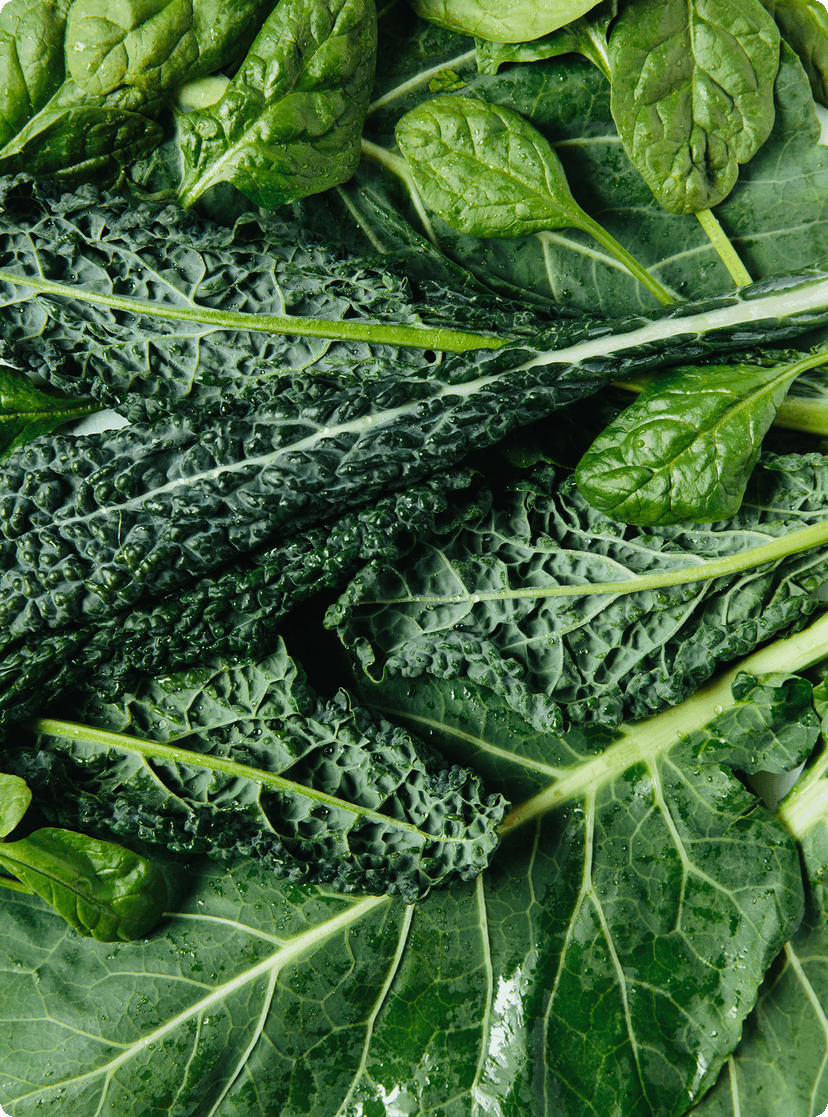




Fuel better, feel better
Finding foods and habits that work for you and your routine has all kinds of benefits.
Support your heart
What you eat matters for your glucose and your heart. Studies show that consistently high glucose levels are linked to higher heart disease risk. 3,4,5,6 The TLDR: Keep your glucose in a healthy range* (70 - 140mg/dL). Your heart will thank you.
* A typical glucose range for healthy individuals is 70-140mg/dL. Occasionally, one may find themselves over 140 mg/dL or under 70 mg/dL, which is expected.
Lower diabetes risk
Prediabetes affects more than 1 in 3 adults in the US. Yet more than 80% of them don’t even know they have it.7 The good news? You can change it with healthy lifestyle shifts. The less time your glucose spends above the healthy range, the lower your risk of diabetes.8
Reduce body fat
Diets that impact your glucose less can help reduce body fat.9,10 Seeing your real-time glucose data can help support your food choices and help you build habits that reduce body fat.11,12
Feel more energized
Feel that 3pm crash? Could be your glucose. Clocking out early. Studies have shown that steady glucose may lead to better sleep,13 giving you the energy to power through the day.14 In turn, better sleep can also help to keep your glucose steady. The cycle is simple. Crash less. Boost energy. Repeat.
A healthy choice for your inbox
Sign up to get science-backed health tips and special offers.
FAQs