
Your heart loves healthy glucose
Staying in a healthy glucose range
can help keep your heart healthy.


Healthy glucose is important for heart health
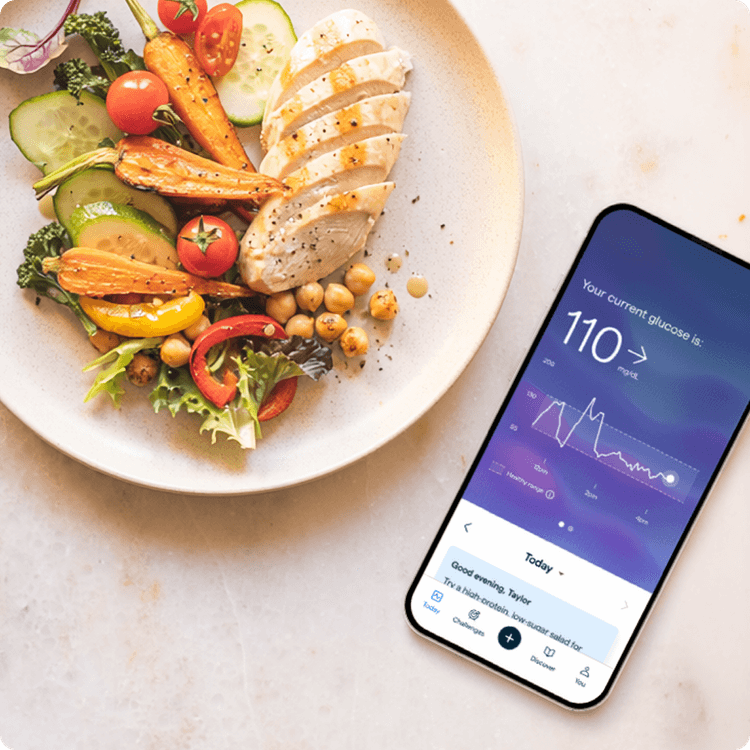
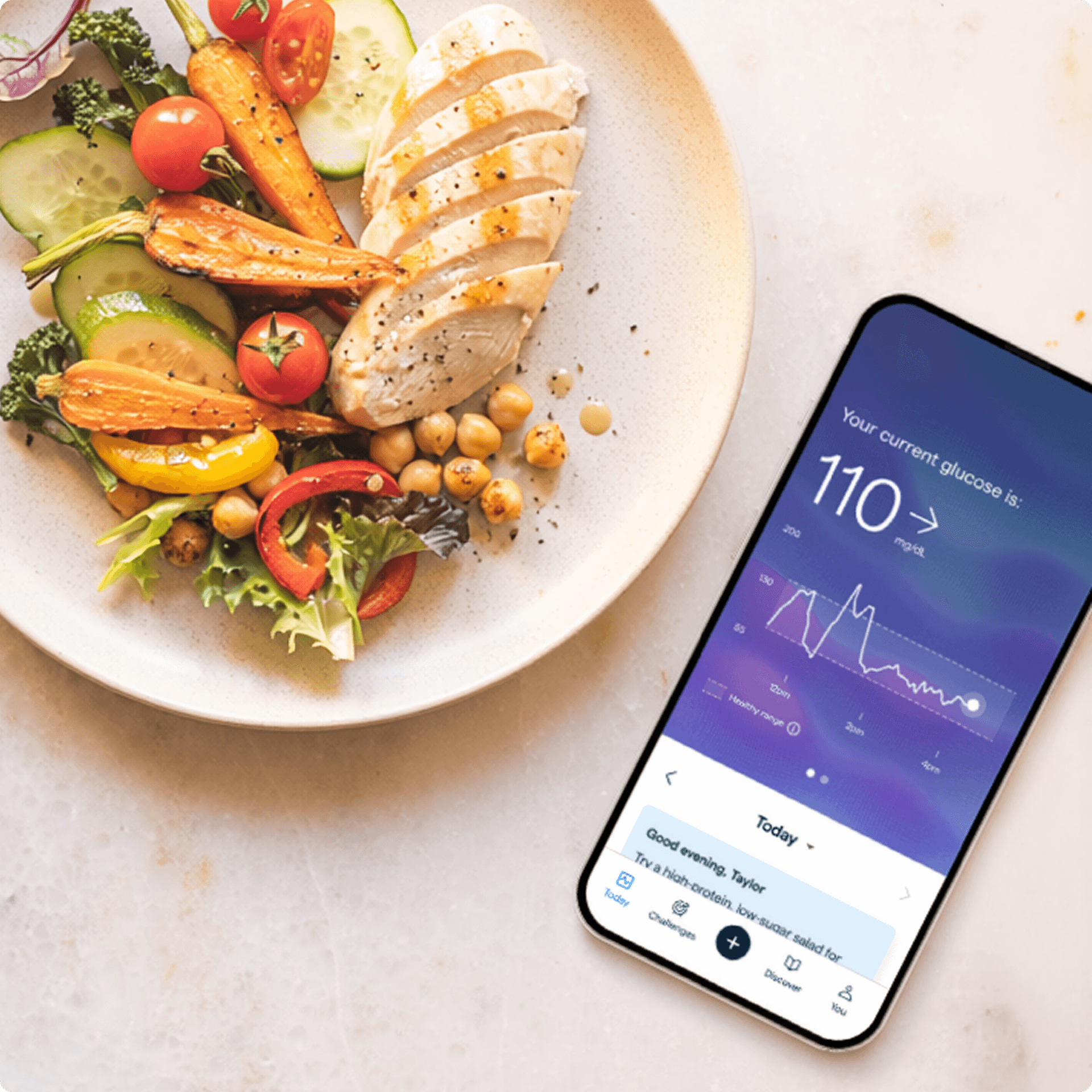
What you eat matters to your glucose — and your heart. Bringing consistently high glucose levels back into the healthy range can lower heart risk.1-4 Meet Lingo. It’s a CGM that's designed to help you learn how to stay in a healthy glucose range, more often. With Lingo you can:
- Spot glucose spikes and adjust your meals and activity
- Fine-tune nutrition based on your unique response
- Track progress as you build healthy habits
Try Lingo to learn how to make smarter choices for your glucose and your heart.
How Lingo works


Put on your biosensor
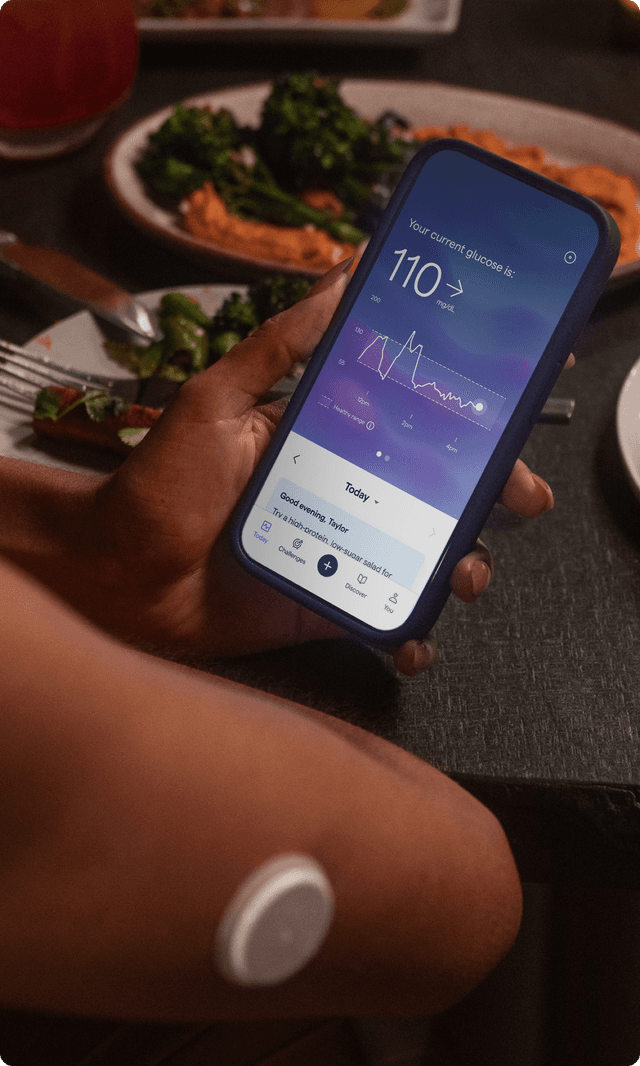
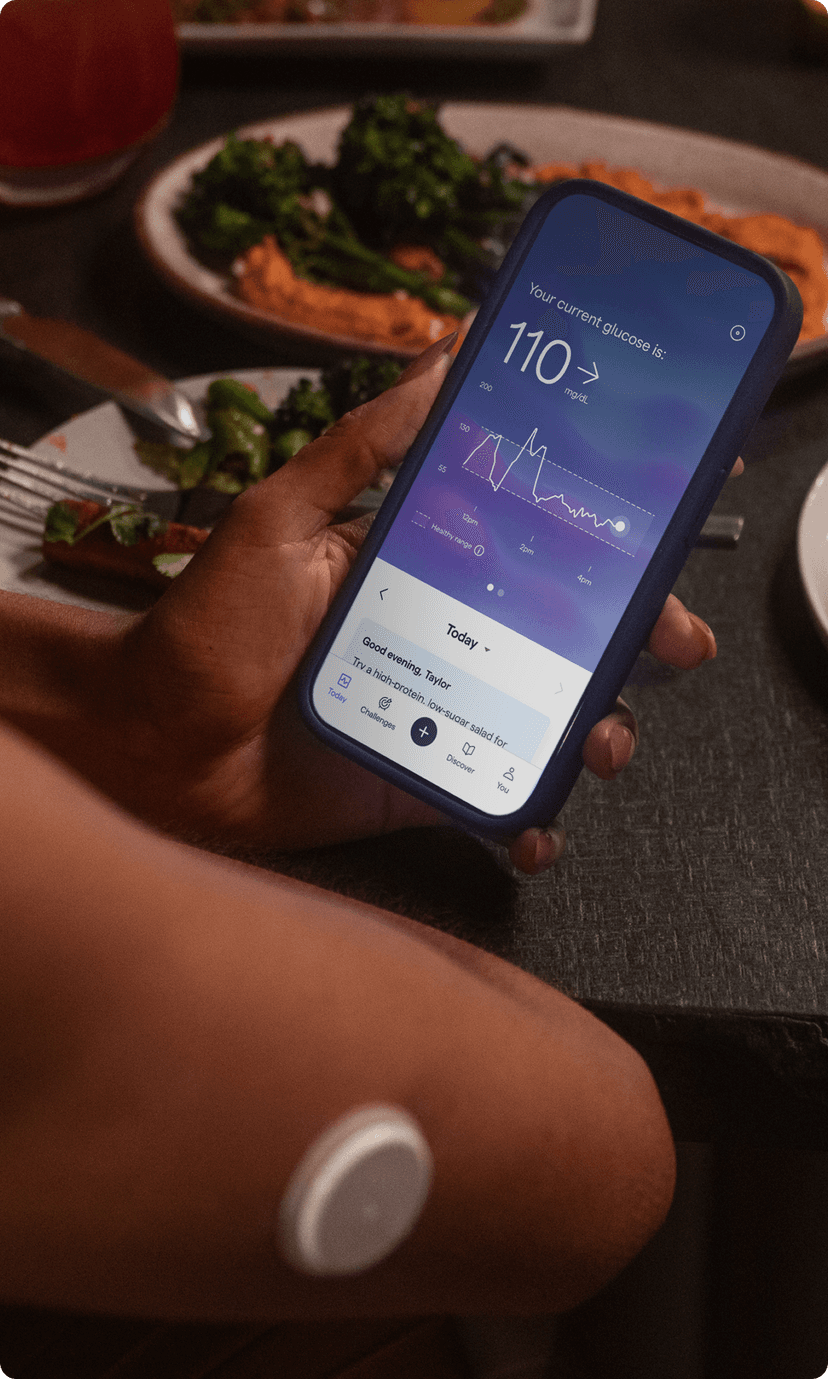
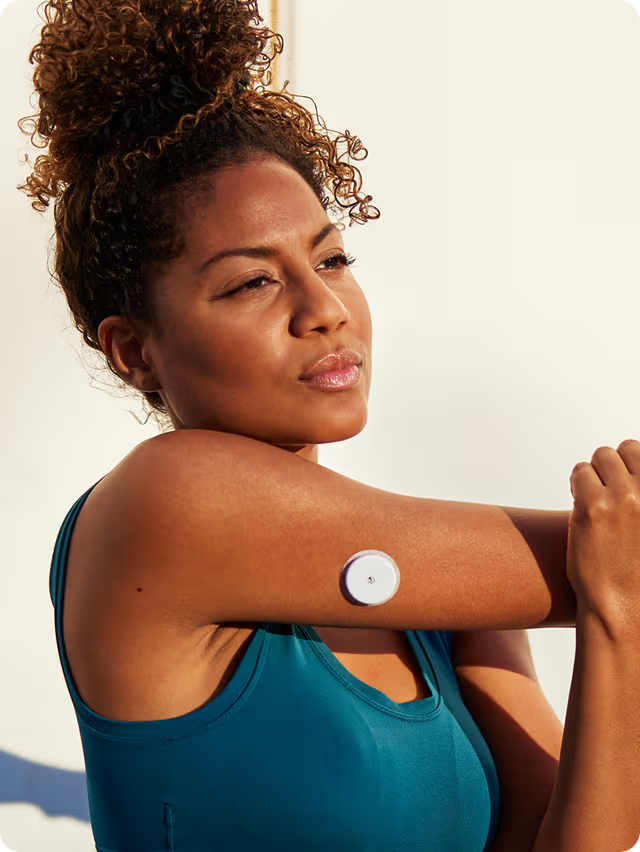
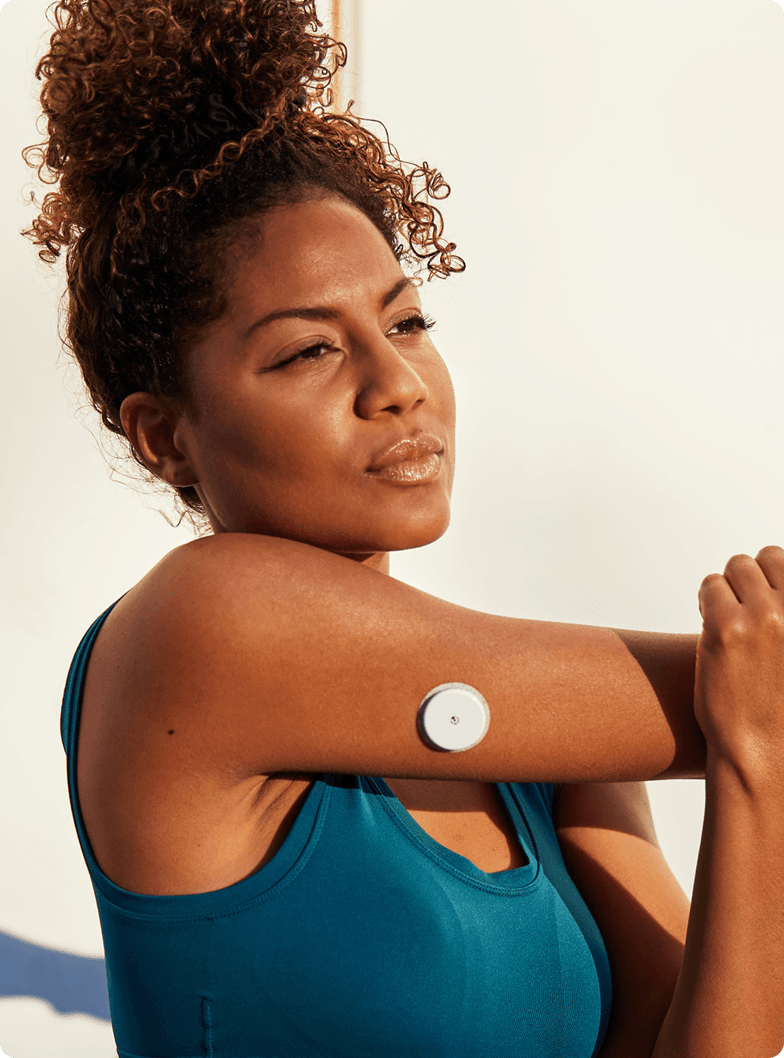
The Lingo biosensor is a continuous glucose monitor (CGM). It attaches painlessly* to the back of your upper arm. You won’t even notice it’s there.
Get real-time glucose data
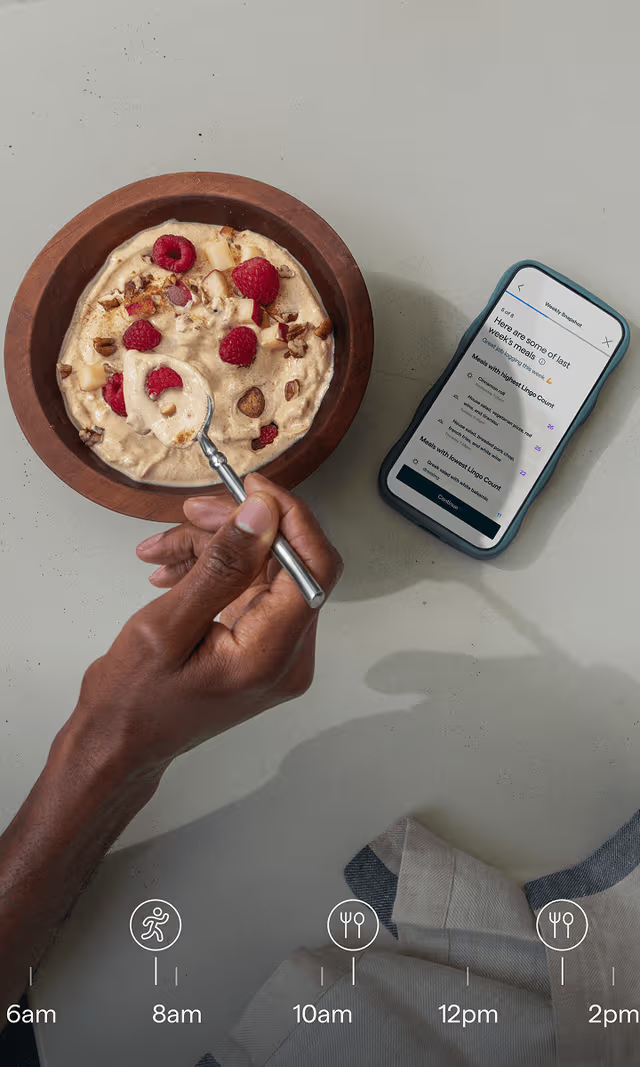
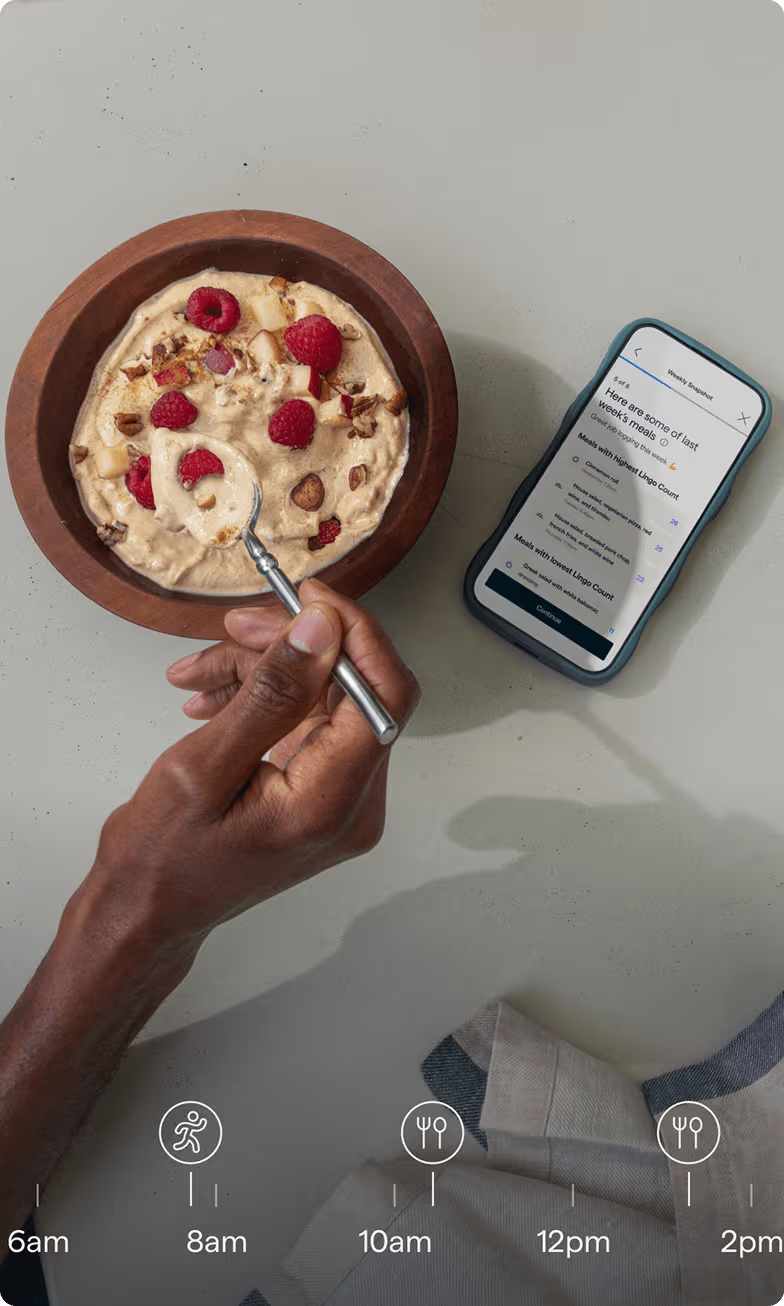
Your biosensor streams glucose data directly to your phone, so you can see the impact of your eating habits.


Connect with more health apps
Auto-sync workouts and glucose data†† between Lingo and Apple® Health or Health Connect™.
Learn new ways of eating
Discover which foods work for you and what to prioritize. Every body is different. Lingo helps you get to know yours in a new way.


Turn insights into action
Armed with data and insights, you can build habits that support your goals. This is your body. Your data. Your health in your hands.


See your progress
Watch the impact of your new habits add up over time. Lingo provides daily, weekly, and monthly snapshots to keep you on track.
The glucose-heart connection
Consistently high glucose levels are associated with several factors that impact heart health:
Increased risk of heart disease
Elevated glucose levels are linked to a higher risk of heart disease, even before a diagnosis of type 2 diabetes.5,6,7,8
High blood pressure
Prediabetes combined with high blood pressure has been linked to higher heart risk.9
Elevated triglycerides
Consistently high glucose levels have been associated with higher triglycerides as well as unfavorable triglyceride-to-HDL ratios, which are known risk factors for heart disease.10
Recommended by Andrew Huberman, PhD


“Lingo helps me track my glucose in real-time to see how the food I eat and the actions I take impact my glucose”
Shop nowEssential reading
How high blood glucose levels can impact heart health
Consistently high glucose (blood sugar) levels can raise heart disease risk. We share 10 science-backed tips for glucose and heart health.


What is the effect of exercise on your glucose levels?
Regular exercise has profound positive benefits on glucose regulation and metabolic health, both in the short term and long term. Learn more about how exercise impacts your glucose and whether it should be a cause for concern.
Read more


Can prediabetes be reversed? How diet and exercise can help
Making changes to your diet, among other key lifestyle changes, may influence the reversal of prediabetes. Learn what the research says here.
Read more