



†30-day money-back guarantee is for first time purchases only.
Heart disease is the #1 killer of adults in the U.S.¹ and your glucose levels are a measurable risk factor.
1. CDC Heart Disease Facts, October 24, 2024. Heart Disease Facts | Heart Disease | CDC accessed on August 10, 2026.
The problem
Healthy glucose is important for heart health


You try to eat well. You exercise. You think you’re doing everything right. Consistently elevated glucose, even in a non-diabetic range, is quietly linked to increased heart risk.2-5 Research shows that consistently high glucose levels elevate heart risk, even in people without a diabetes diagnosis.2-5
And glucose spikes that happen after every meal, every day, are doing work you can't feel. The science is clear: what you eat matters for your glucose, and your glucose matters for your heart.6-10
See how glucose affects your heart
See it. Understand it. Act on it.
Lingo tracks your glucose continuously, minute-by-minute, so you can see how food, movement, and exercise affect your glucose throughout the day and what that means for your heart over time.


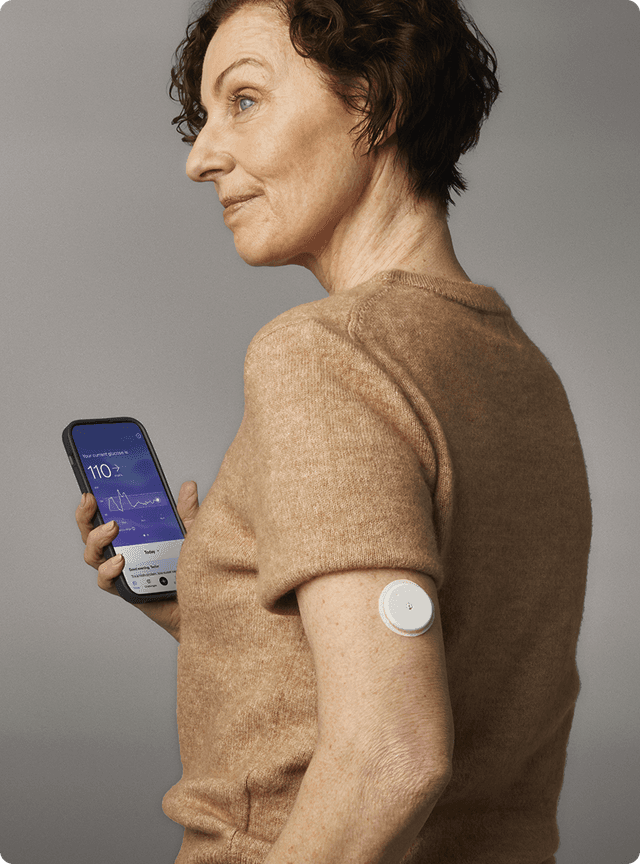
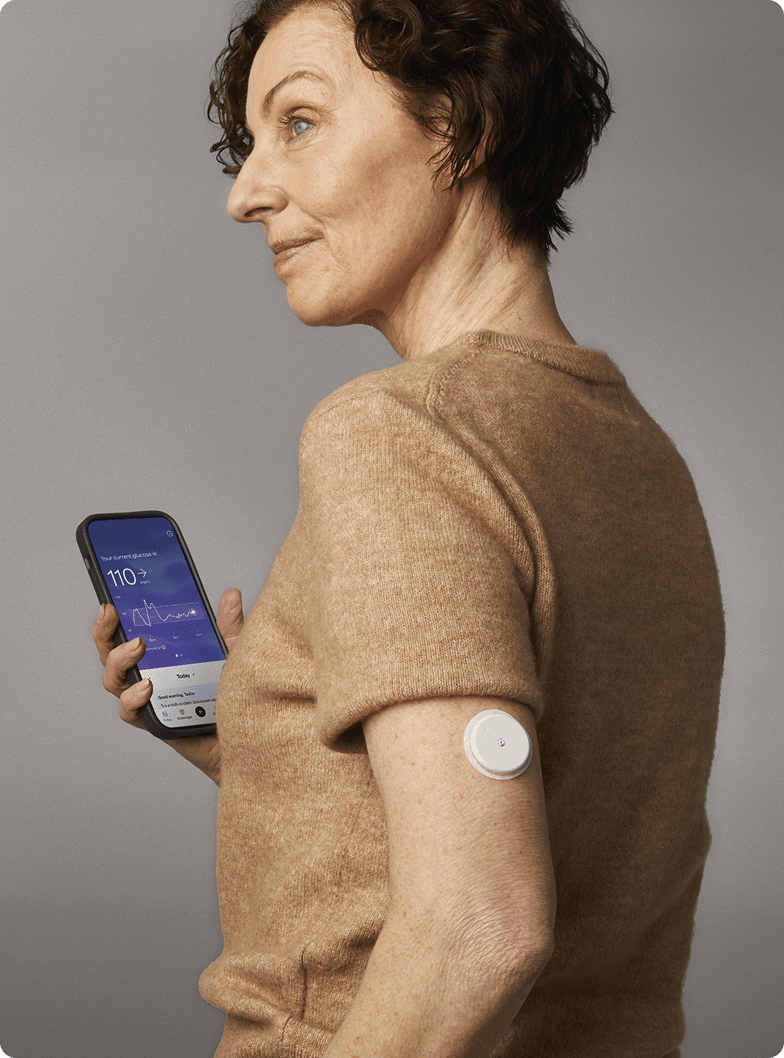
Wear it
Painless* OTC biosensor. Back of your upper arm. No prescription.
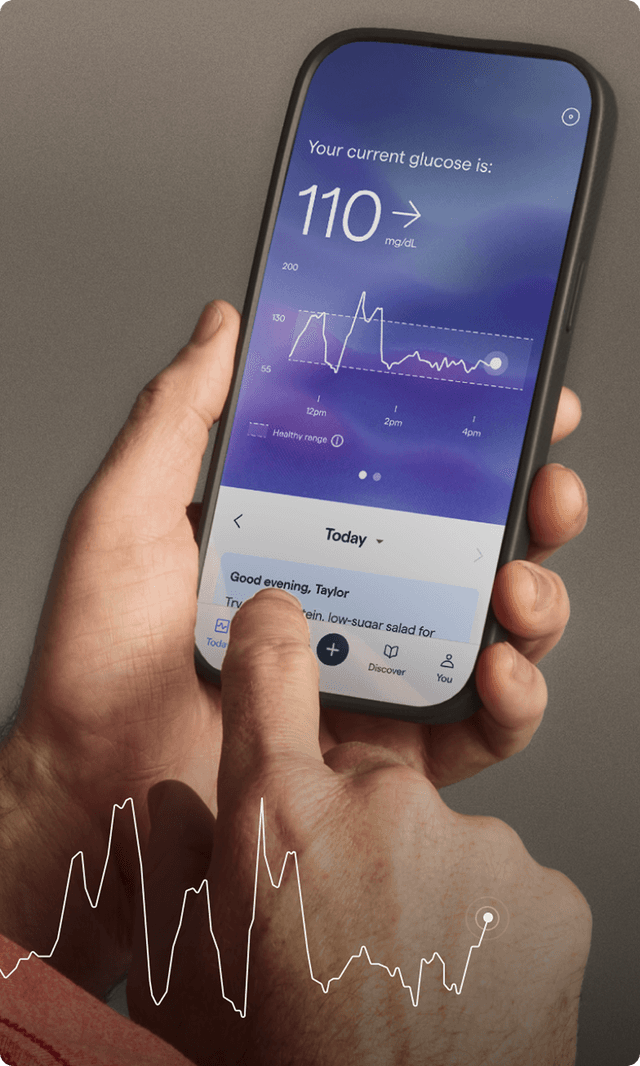
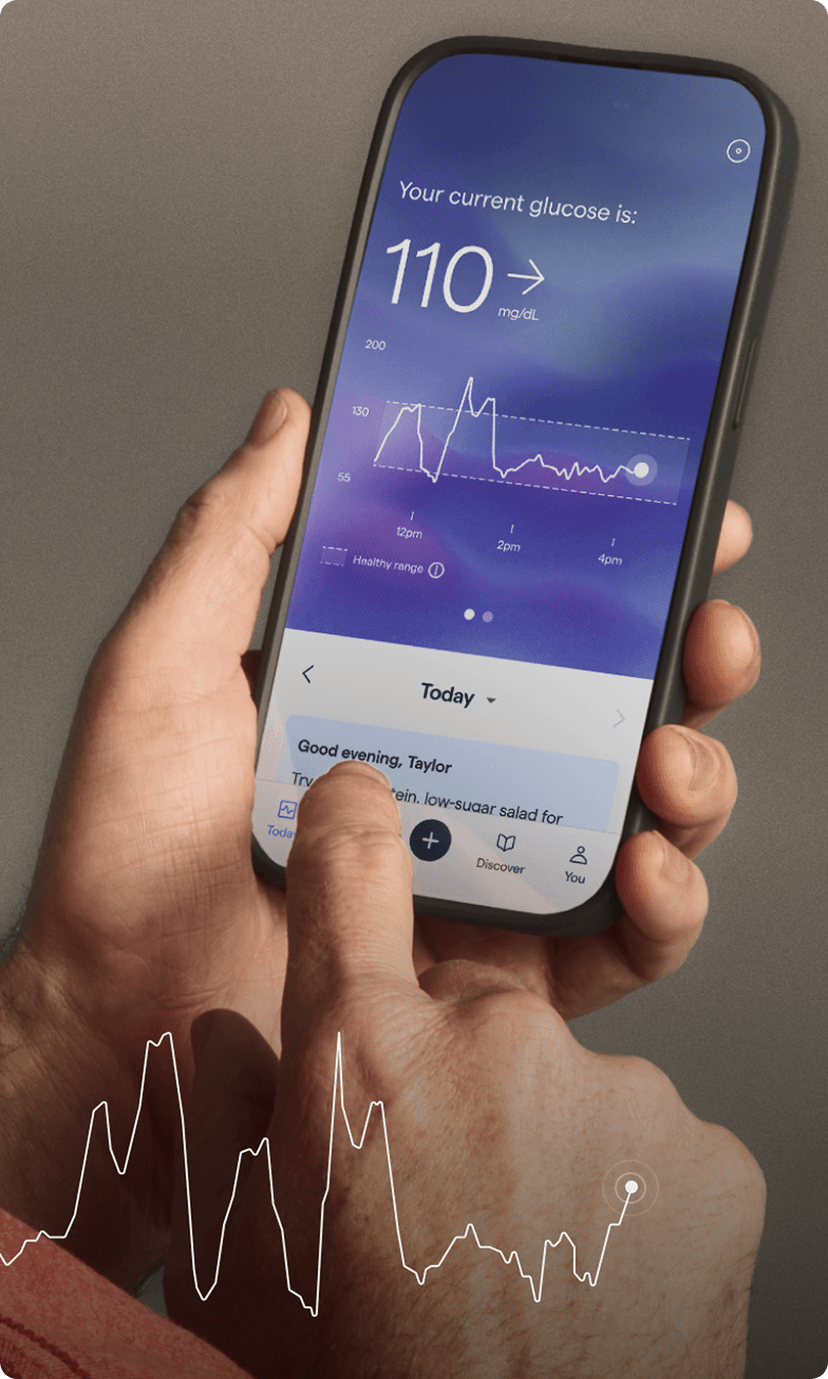
Watch it
Live glucose data streams to your phone every minute.


Decode it
Understand which foods spike your glucose high, and which ones keep you in the healthy range, more often.


Change it
Build habits backed by your own data. Your health, in your hands.
Bringing consistently high glucose levels back into the healthy range can lower your heart risk¹¹⁻¹⁴
The Glucose-Heart Health Connection: 3 Things to Know.
Elevated glucose levels are linked to higher risk for your heart
Even before a diagnosis of type 2 diabetes, consistently elevated glucose levels are associated with increased cardiovascular risk.2-5
High blood pressure + prediabetes heightens risk
Prediabetes combined with high blood pressure has been linked to higher heart risk.15 Two silent conditions, multiplying each other's impact.
High glucose is linked to a high-risk lipid profile
Consistently high glucose levels have been associated with higher triglycerides as well as unfavorable triglyceride-to-HDL ratios, both known risk factors for heart disease.16
What your glucose is doing today can impact your heart tomorrow
+High heart risk
Consistently high glucose elevates heart risk
An analysis of more than 1.6 million adults found that prediabetes-level glucose, was associated with significantly increased risk of cardiovascular disease over time.2
What you eat matters
In a study of 100K+ adults, diets known to impact glucose less were linked to better heart health outcomes.9
High blood pressure
Prediabetes combined with high blood pressure has been linked to higher heart risk.15
Your body. Your data. Your heart. Start today.
Learn how your glucose responds to food and exercise
with a 2-week plan,** no commitment.
- 1 Lingo biosensor with minute-by-minute glucose monitoring.
- Full access to the Lingo app.
- Available over the counter. No prescription needed.
- Works with iOS and AndroidTM.
Shop now
Free shipping | 30-day money-back guarantee†
**No commitment. This plan does not auto-renew.
†30-day money-back guarantee is for first time purchases only


Real people. Real stories.
I ❤️ the real-time data I’m getting from my Lingo app! How else would you know what’s going on inside your body.
S
Sue B.
New Jersey
I love understanding how my glucose responds to food, drinks, exercise, and stress (good or bad).
K
Kara P.
Lingo member
I started using Lingo to give me real-time glucose data. I’ve learned what works for my body and Lingo helps me see that.
M
Michelle F.
California
Lingo has helped me understand my glucose and manage my pre-diabetes. Highly recommend for anyone wanting better control of their health!
K
Kamrin S.
Lingo member
Essential reading
How high blood glucose levels can impact heart health
Consistently high glucose (blood sugar) levels can raise heart disease risk. We share 10 science-backed tips for glucose and heart health.
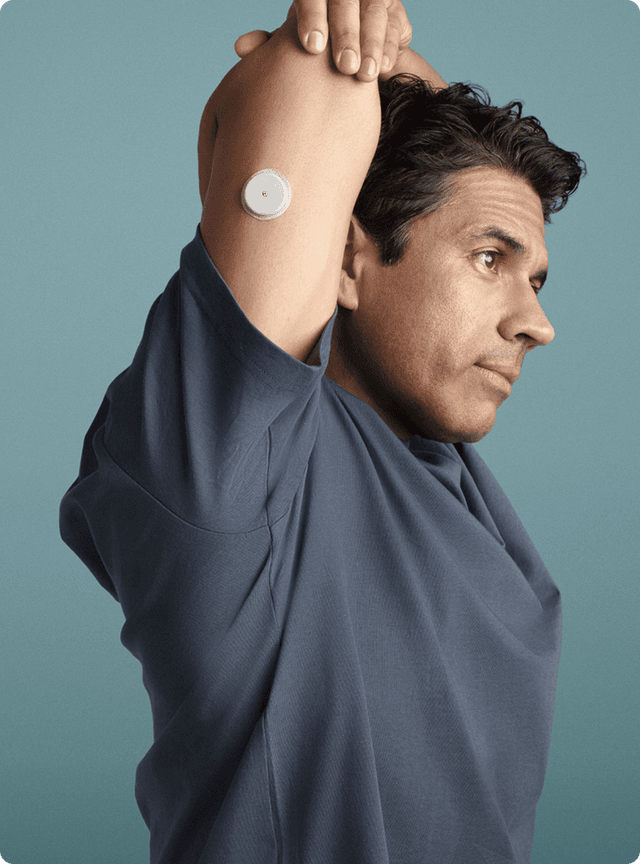

What is the effect of exercise on your glucose levels?
Regular exercise has profound positive benefits on glucose regulation and metabolic health, both in the short term and long term. Learn more about how exercise impacts your glucose and whether it should be a cause for concern.
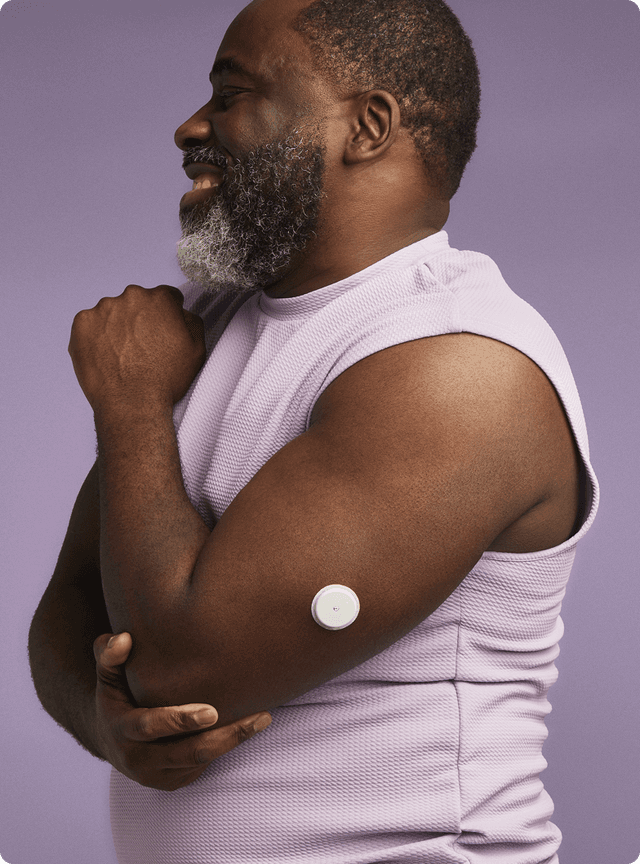
Can prediabetes be reversed? How diet and exercise can help
Making changes to your diet, among other key lifestyle changes, may influence the reversal of prediabetes. Learn what the research says here.