When estrogen changes the rules: The perimenopause – glucose connection
In partnership with Midi Health, a virtual clinic focused on perimenopause and menopause care, we’re taking a closer look at how hormone shifts can influence your metabolism, energy, weight gain, and prediabetes risk in midlife.


Published:
July 17, 2026
Read time:
6 minutes

Let’s start with a quick overview. Perimenopause is the long lead‑up to menopause. It can begin as early as your 30s and last anywhere from 7 to 14 years. Menopause itself is defined as 12 consecutive months without a period, with the average age around 51. What makes this transition so disruptive is the natural decline of estrogen.
Start Lingo today for just $54
Learn how your body responds to food and exercise with a 2-week plan*, no commitment.
Buy now
Estrogen receptors are found throughout the body — including the brain, mouth, skin, hair, heart, bladder, vulva, and vagina — so when estrogen begins to fluctuate and decline, the effects are widespread.1 Common symptoms include:
Hot flashes and night sweats
Sleep disruption
Mood changes and irritability
Cognitive issues and forgetfulness
Anxiety
Weight gain
Vaginal dryness, painful intercourse, or difficulty achieving orgasm
Urinary urgency and recurrent UTIs
Joint pain
Changes in skin and hair
Dry mouth or eyes
Itchy ears
More than 80% of women experience at least one of these symptoms.2 They’re not subtle, and they’re not imagined.
“So many women are surprised by how disruptive this transition can be. Perimenopause has been historically under-researched, leaving women confused, dismissed, or questioning their own experience. These symptoms are real, common, and rooted in biology, not something women should be left to navigate without clarity or care.”
Kathleen Jordan, MD
Chief Medical Officer, Midi Health


Shifts in estrogen also affect how a woman’s body processes insulin and glucose
Glucose is your body’s main source of energy. Throughout the day, glucose naturally rises and falls in response to meals, movement, stress, and sleep. That’s normal for everyone. What matters most is how often glucose stays within a healthy range, because spending more time outside that range long-term can increase the risk of type 2 diabetes.
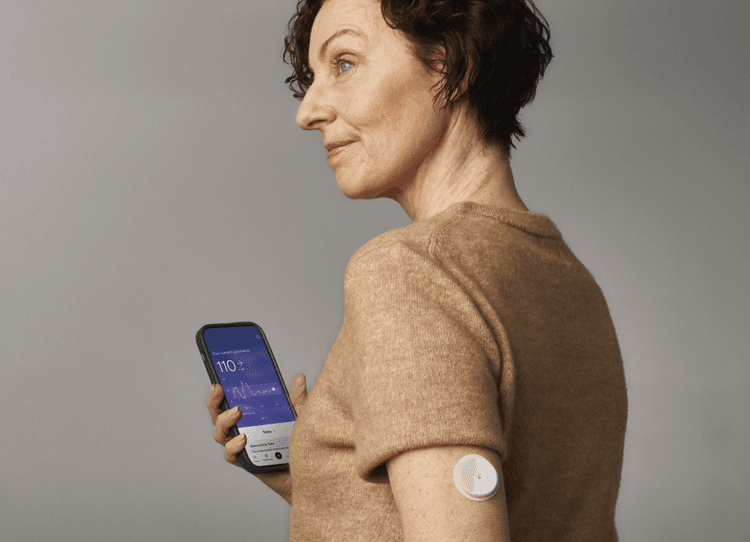
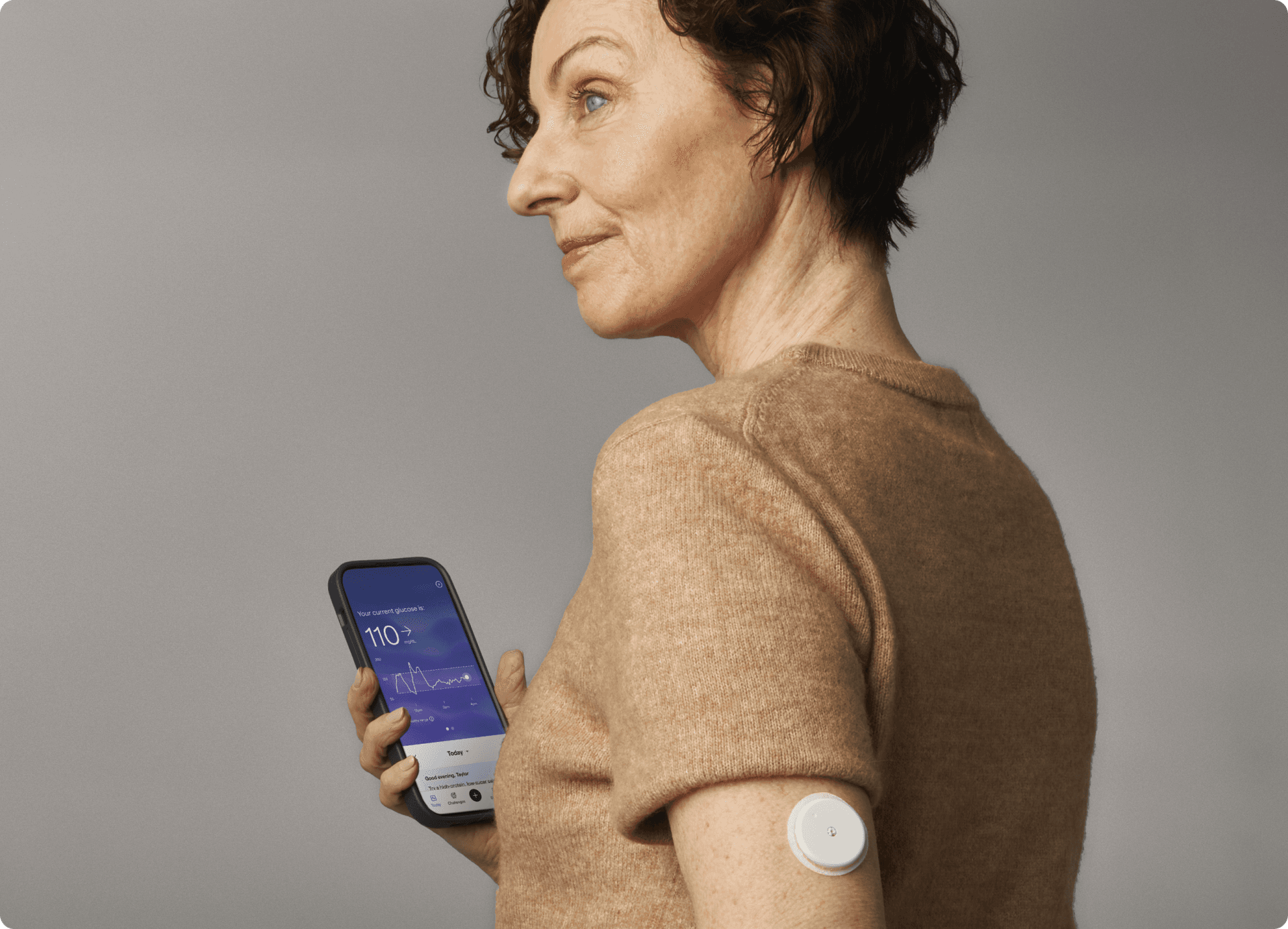
Estrogen is more than just a reproductive hormone. It plays an important role in how your body regulates glucose and how sensitive your cells are to insulin.3 As estrogen levels decline during perimenopause, insulin resistance often increases.3 That means insulin becomes less effective at moving glucose from the bloodstream into your cells, where it can be used for energy. When that process becomes less efficient, glucose is harder to manage.
Day to day, changes in hormone levels and glucose regulation - like variability and insulin resistance - may show up as energy dips, stronger cravings, disrupted sleep, mood changes, shifts in body fat distribution, and muscle that feels harder to maintain.
Over time, these physiological shifts combine to create a risk-enhancing state. As menopause interacts with aging, body composition, and lifestyle factors, changes in glucose metabolism – such as insulin resistance and greater exposure to elevated glucose – are associated with an increased risk of developing type 2 diabetes and heart-related conditions, even if you feel you're doing everything “right.”4
“One of the most common things I hear from women is that the habits that used to work for them suddenly don’t anymore,” says Dr. Kathleen Jordan, Chief Medical Officer at Midi Health. “The same foods, the same workouts, the same routines can start to seem ineffective. That’s not a personal failure. It’s a reflection of real changes happening in the body.”


The impact of nutrition, exercise, sleep, and stress
When we talk about nutrition during perimenopause, the power of protein is real. What a lot of people don’t realize is that how you eat can matter just as much as what you eat. The order of foods on your plate plays a meaningful role in how your body responds, especially when it comes to glucose. It’s not about cutting foods out. It’s about building meals in a way that supports steadier glucose.
Starting a meal with protein helps curb cravings, keeps you fuller longer, and sets you up for a steadier glucose curve after you eat.5, 6, 7 Fiber works in a similar way. Pairing protein with leafy greens or non‑starchy vegetables and saving carbohydrates for last often slows digestion just enough to soften post‑meal spikes.8
It’s also important to remember that glucose isn’t a one-size-fits-all situation. The way a food impacts one person’s glucose can look completely different for someone else. A CGM gives you real‑time feedback, so you can see what actually works for your body and your midlife metabolism. When you can see those patterns clearly, nutrition stops feeling like guesswork and starts feeling more manageable.
A few simple strategies that can help:
Prioritize protein to curb cravings and help keep glucose steady
Focus on fiber to slow digestion and minimize post‑meal spikes


Choose nutrient‑dense, non‑starchy vegetables and leafy greens


Eat protein and fiber before carbohydrates to reduce glucose spikes


Think of muscle as your body’s glucose sponge. The more muscle you have and use, the more places your body has to put glucose to work, especially after meals. That’s why muscle plays such an important role in insulin sensitivity and glucose metabolism.9 Building and using muscle regularly is one of the most effective ways to support steadier glucose as metabolism shifts.9 For women in midlife, this matters even more because muscle becomes harder to build yet at the same time its role in insulin resistance and glucose metabolism becomes more critical. Maintaining muscle also supports balance and mobility over time. The goal isn’t perfection. It’s consistency.
Here’s what that looks like in practice:
Strength training 2–3 times per week can help the body use glucose more effectively11
Adding 10–20 minutes of movement after meals helps steady glucose
Every day doesn’t have to be a gym day. Even simple movement, like a walk around the block, counts
Poor sleep and stress can also derail glucose, which intensifies the metabolic challenges you may already be feeling during perimenopause.12,13 A CGM can make that connection easier to see, especially when patterns repeat.
Late‑night snacking can work against steadier glucose
Stressful days often lead to bigger glucose swings
Alcohol close to bedtime can disrupt sleep and glucose overnight
If you know a stressful day is coming, prep for it. Focus on foods that help keep glucose steady. Do what you can to support your sleep that night. As we age, habits and routines matter more for supporting well‑being and a changing metabolism. Simple practices like breathing, gentle movement, and paying attention to meal timing can help bring more consistency to glucose patterns over time.
Why talking to an expert in hormonal health can help
A specialist in women’s midlife health understands the full picture, so you get care that connects your symptoms and explains what’s happening. Midi Health is a virtual healthcare clinic focused on perimenopause and menopause care. Evidence-based and science-backed, Midi Health has more than 750+ clinicians across the U.S. providing personalized care plans, including hormonal and non-hormonal treatment options.
How a CGM can help support you during perimenopause
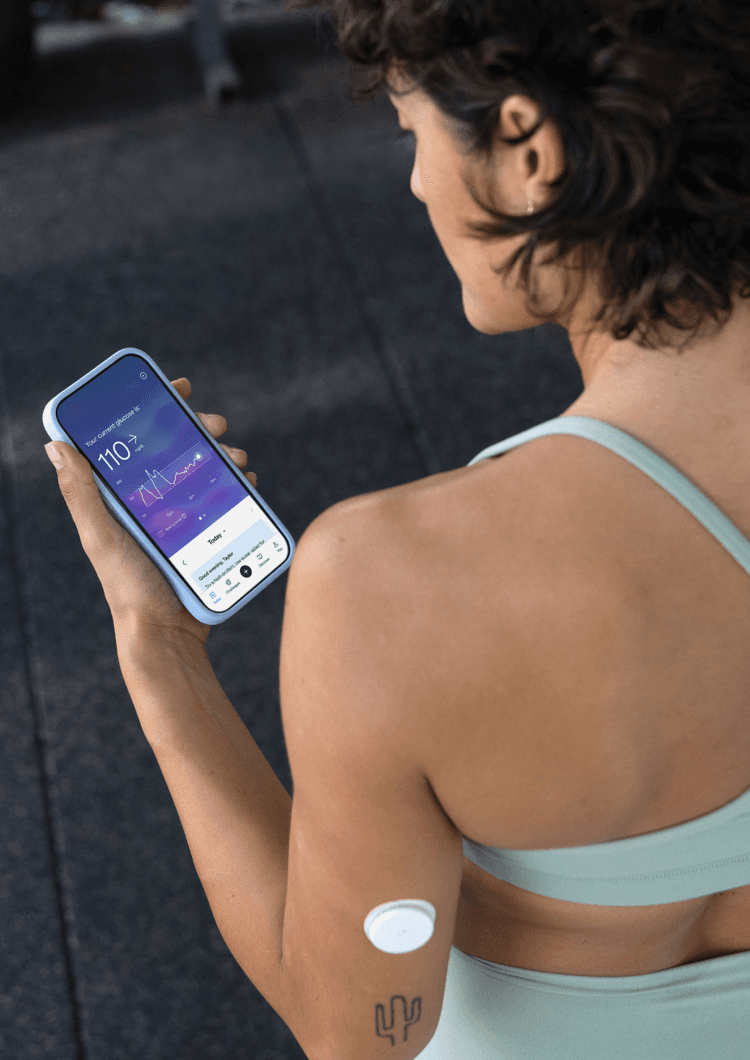
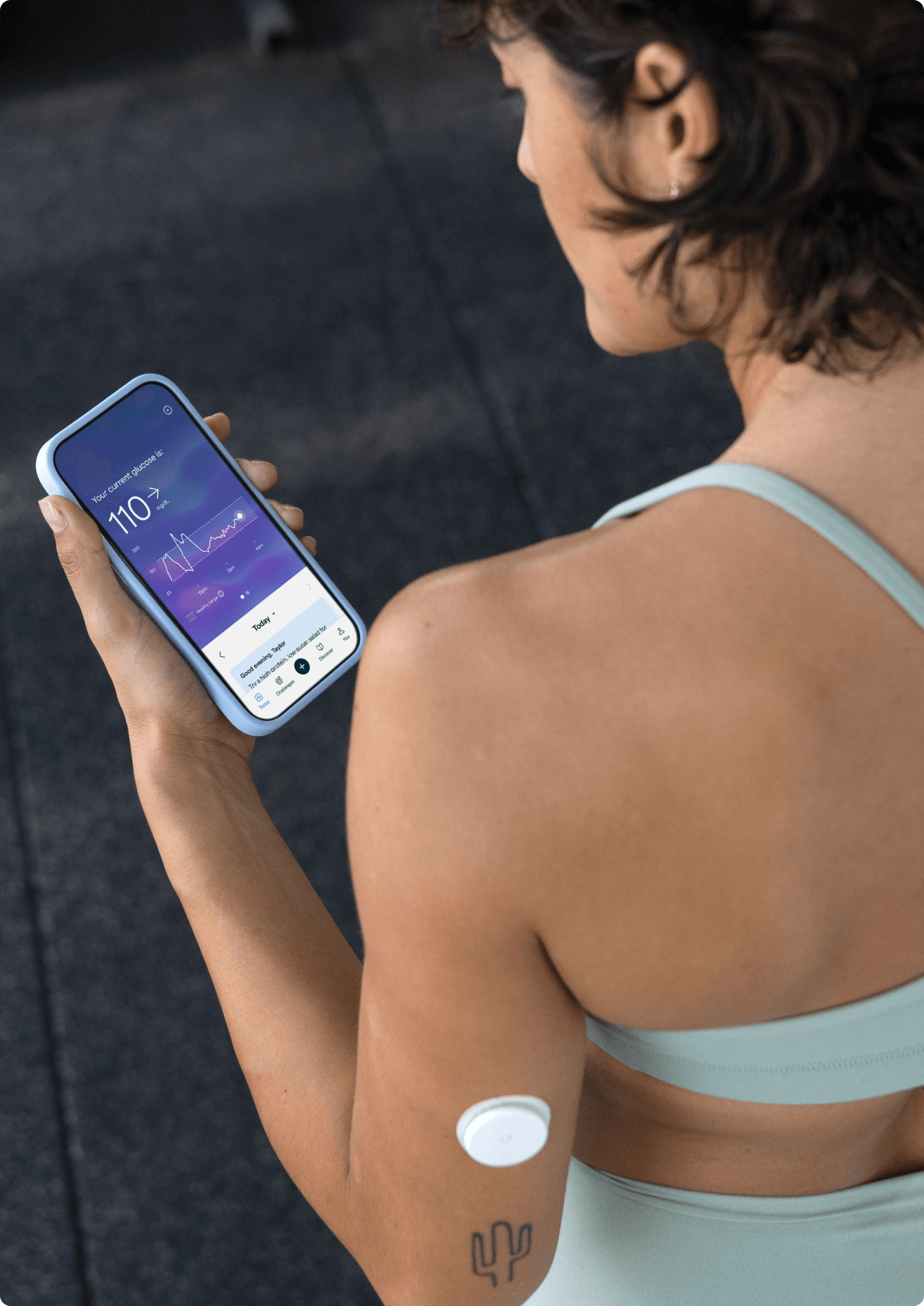
Tracking glucose helps you see patterns, not just numbers. What spikes you, what keeps you steady, how stress or disrupted sleep shows up later, and even how a simple walk after a meal smooths a spike. Traditional metrics like A1C and fasting glucose may miss early metabolic changes.
A CGM can help you identify which foods tend to cause spikes, make more sense of hunger and cravings, and notice how stress, sleep, and exercise timing affect your body. A CGM can also highlight changing glucose patterns, which may be an indicator of hormonal shifts during perimenopause.

A final note from Lingo
As your metabolism shifts during perimenopause, finding a healthcare professional who gets it, like a Midi Health clinician, and prioritizing certain lifestyle choices can play a meaningful role in supporting steadier glucose, but only if they are the right ones for you. And research shows that maintaining healthy glucose levels is linked to lower risk of diabetes14 and heart disease.15, 16, 17
Lingo, a CGM, can help you fine-tune your habits based on your own unique response. Understanding what works best for you can help keep glucose in a healthy range more often and help lower future risk of diabetes.14
Find out if you’re at risk for prediabetes. Take our quiz.
The Lingo Glucose System is intended for users 18 years and older not on insulin. It is NOT intended for diagnosis of diseases, including diabetes.
The Lingo program does not guarantee that everyone will achieve the same results as individual responses may vary. Consult your healthcare professional before making changes to your diet or exercise regimen or if you have an eating disorder or a history of eating disorders.
© 2026 Abbott. All rights reserved. The biosensor shape and appearance, Lingo, and related brand marks are marks and/or designs of the Abbott group of companies in various territories. Other marks are the property of their respective owners.
The Lingo Glucose System is intended for users 18 years and older not on insulin. It is NOT intended for diagnosis of diseases, including diabetes.
The Lingo program does not guarantee that everyone will achieve the same results as individual responses may vary. Consult your healthcare professional before making changes to your diet or exercise regimen or if you have an eating disorder or a history of eating disorders.
© 2026 Abbott. All rights reserved. The biosensor shape and appearance, Lingo, and related brand marks are marks and/or designs of the Abbott group of companies in various territories. Other marks are the property of their respective owners.
ALB-2605253
Published:
July 17, 2026
Read time:
6 minutes


Pamela Nisevich Bede, MS, RD, CSSD, LD, is a certified specialist in sports dietetics and an expert in nutrition communications. Pam earned her Bachelor of Science degree in Dietetics from Miami University and a Master of Science in Medical Dietetics from The Ohio State University. While at Abbott Nutrition, Pam was the Global Nutrition Lead at Zone Perfect Nutrition and Ensure and was previously the Manager of Nutrition Marketing at EAS Sports Nutrition.